Natural Home Cooling Strategies for Summer Without Air Conditioning
As summer temperatures soar, keeping your home cool becomes a priority for comfort and health. While air conditioning is a common solution, it can be expensive and environmentally taxing. Fortunately, numerous natural methods can effectively lower indoor temperatures, reduce energy consumption, and create a more sustainable living environment. This guide explores practical, cost-effective strategies to maintain a cool home during the hottest months.
Optimize Ventilation and Airflow
Proper ventilation is crucial for expelling hot air and bringing in cooler air. Start by opening windows and doors during the cooler parts of the day, such as early morning and late evening, to allow cross-ventilation. Use exhaust fans in kitchens and bathrooms to remove heat generated from cooking and bathing. Installing ceiling fans can enhance air circulation, making rooms feel up to 4 degrees cooler without significantly increasing energy use. For optimal results, set fans to rotate counterclockwise in summer to push air downward.
Utilize Shading and Insulation
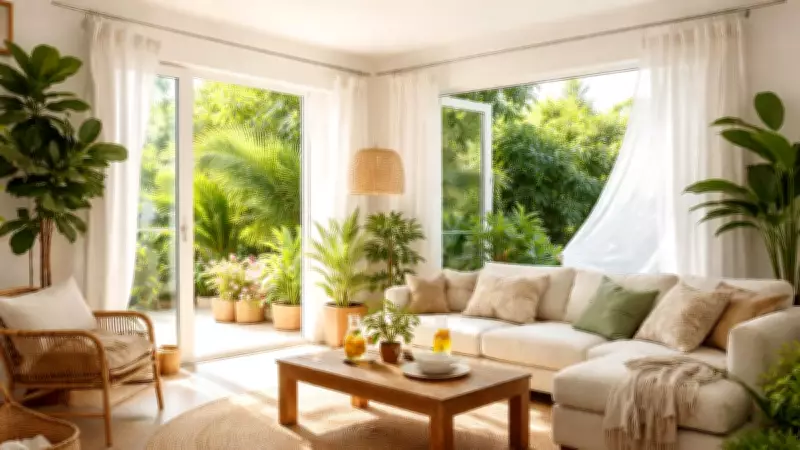
Blocking direct sunlight is one of the most effective ways to prevent heat buildup. Close curtains, blinds, or shades during peak sunlight hours, especially on south- and west-facing windows. Consider using reflective window films or installing awnings and external shutters to reduce solar heat gain. Planting trees or shrubs near windows can provide natural shade and cool the air through evapotranspiration. Additionally, ensure your home is well-insulated, particularly in the attic and walls, to minimize heat transfer from outside.

Leverage Thermal Mass and Evaporative Cooling
Materials with high thermal mass, such as stone, brick, or concrete, can absorb heat during the day and release it at night, helping to stabilize indoor temperatures. Use these materials in flooring or walls if possible. Evaporative cooling techniques, like placing bowls of ice or damp cloths in front of fans, can also lower air temperature. For a more advanced approach, consider installing a whole-house fan or using a swamp cooler in dry climates, which uses water evaporation to cool air efficiently.
Adopt Smart Habits and Appliance Use
Adjusting daily routines can significantly reduce indoor heat. Avoid using heat-generating appliances like ovens, stoves, and dryers during the hottest parts of the day; opt for microwaves, slow cookers, or outdoor grilling instead. Switch to energy-efficient LED bulbs, which produce less heat than incandescent bulbs. Unplug electronics when not in use, as they emit heat even in standby mode. Wearing light, breathable clothing and staying hydrated can also help you feel cooler without altering the environment.
Incorporate Green Solutions and Design
Long-term strategies include incorporating green roofs or walls, which provide insulation and cooling through plant transpiration. Using light-colored paints on exteriors and roofs can reflect more sunlight, reducing heat absorption. Design homes with overhangs, verandas, or courtyards to create shaded outdoor spaces that buffer indoor areas from heat. These approaches not only cool your home but also enhance energy efficiency and environmental sustainability.
By implementing these natural cooling methods, you can maintain a comfortable home temperature during summer, lower energy bills, and reduce your carbon footprint. Experiment with combinations of these strategies to find what works best for your specific climate and living space.