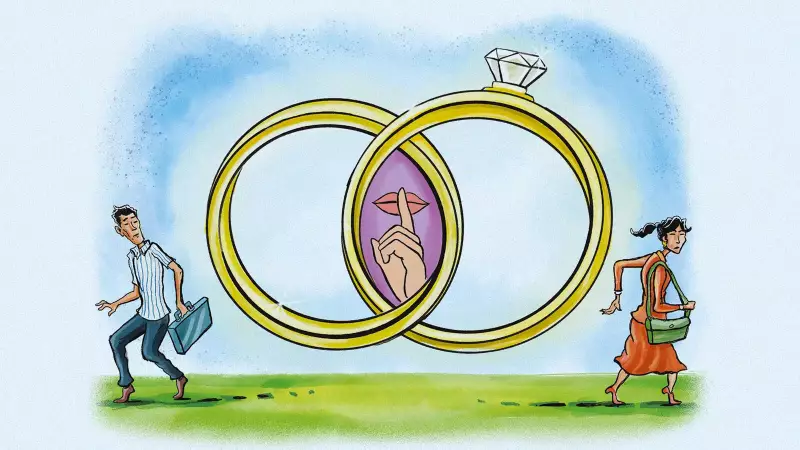
The Silent Separation: Why Modern Couples Choose Quiet Divorce Over Drama
In popular culture, divorce often appears as a dramatic spectacle. People imagine shouting matches, bitter accusations, and intense courtroom battles. However, many real-life marriages follow a different path. They do not explode in fiery confrontations. Instead, they gradually fade away without any mention of the dreaded D-word.
Apathy Replaces Confrontation
For numerous couples today, confrontation gives way to simple apathy. The marriage continues in name only. It exists through daily rituals, family photographs, and legal documents. The emotional connection disappears, but the outward structure remains intact.
The Arora Family in Gurugram
Consider the Arora family in Gurugram. They present a perfect picture of domestic success to the outside world. This early-40s couple has two children. Their in-laws live downstairs. Luxury cars sit in their driveway.

Inside their home, however, the marriage operates on a basic understanding. Ritesh earns the family income. Radhika manages the spending. Neither partner interferes with the other's domain. This arrangement has continued for six full years.
"I take care of the house, the bills, and our future plans," Ritesh explains. "She has her personal space, and I have mine. I may not be a perfect husband, but I have provided stability for our family."
Friends frequently ask Radhika how long she will continue living this way. She simply shrugs in response. "Divorce feels like a war where everyone loses," Radhika states. "We avoid that battle by maintaining our quiet arrangement."
The Growing Trend of Quiet Separation
This approach represents a growing trend among modern couples. They choose to skip the drama associated with traditional divorce proceedings. Instead, they maintain separate lives within the same household. They avoid legal battles and social scrutiny.
Several factors contribute to this quiet separation trend. Financial considerations often play a significant role. Couples may stay together for economic stability. Social pressures and family expectations also influence their decision. The desire to protect children from conflict remains another powerful motivator.
Many couples find this arrangement more manageable than a formal divorce. It allows them to avoid lengthy court processes. It reduces emotional turmoil for all family members. It preserves social appearances within their community.
However, this quiet approach comes with its own challenges. Emotional fulfillment may remain lacking. Personal happiness often suffers in these arrangements. The relationship exists as a practical partnership rather than an emotional connection.
As society evolves, relationship dynamics continue to change. The quiet divorce represents one adaptation to modern pressures. It shows how couples navigate complex emotional landscapes while maintaining outward stability.