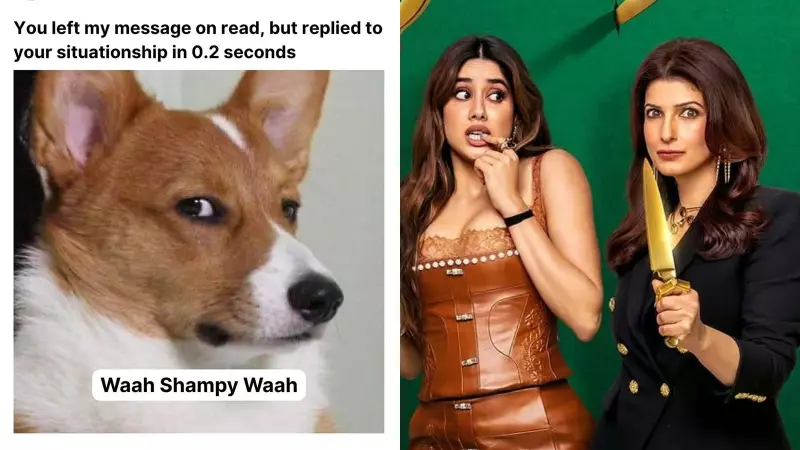
Janhvi Kapoor Ignites a National Conversation on Emotional Infidelity
Bollywood actress Janhvi Kapoor has set social media ablaze with a candid confession, calling emotional cheating a definitive 'deal breaker' in relationships. Her statement, made on the show 'Two Much' hosted by Kajol and Twinkle Khanna, has reopened a complex and deeply personal debate: which form of infidelity causes more profound damage?
The Grey Area of Betrayal: Real Stories from the Frontlines
For 25-year-old Drishti Singhai, a public relations consultant, the pain of emotional cheating is all too real. She ended a two-year long-distance relationship after her suspicions were confirmed. Her ex-partner eventually married the other woman. "For me, emotional cheating begins long before anything physical happens," Drishti explained. "The moment someone else gets the attention and care your partner deserves, the relationship is already compromised."
This sentiment, however, is not universal. Chandrima Bandyopadhyay, who sought solace outside her marriage during a difficult period, advocates for a more fluid understanding of relationships. "I'm deeply loyal to my partner and love him more than anything," she stated. "But that doesn't mean I can't feel attracted to someone else." For her, rigid roles and the fear of 'infidelity' can be more damaging than honest conversations about attraction and non-monogamy.

Expert Insight: Why We Feel the Need to Rank the Pain
Counselling psychologist Divya Srivastava sheds light on why we feel compelled to label one type of cheating as 'worse' than the other. "People think, 'If I know what's worse, maybe I can protect myself,'" she said. "But relationships don't work that way. Both forms of betrayal can be deeply painful."
She breaks down the distinct wounds each infidelity creates. Physical infidelity shatters the sense of safety, trust, and shared agreements in a relationship. Emotional infidelity, on the other hand, ruptures the sense of belonging. "I've heard people say, 'It's not that you were with someone else — it's that you gave someone else the part of you that was supposed to be mine,'" Srivastava noted.
Counselling psychologist Priya Parulekar added that emotional cheating often signifies that the relationship has already ended on a psychological level. "The betrayal is harder to recover from because there's no clear event to grieve — just a gradual fading," she said, highlighting how it can distort self-perception and damage one's trust in their own intuition.
The Path to Healing: Moving Beyond Blame
In the aftermath of betrayal, the instinct is often to find fault. However, experts suggest a more constructive path forward. Divya Srivastava recommends three key steps for healing:
- Talk about what the betrayal symbolises: Discuss if it awakened old wounds of abandonment or feelings of unworthiness.
- Listen to understand, not to defend: Allow both partners to speak their truth without rushing to find a quick fix.
- Seek professional support: A therapist can provide a neutral, empathetic space to facilitate repair.
Psychologist Dr Rimpa Sarkar emphasized that healing requires honesty, ownership, and consistent transparency. To prevent infidelity, she advises addressing emotional distance early. "If you sense disconnection or the urge to seek intimacy outside, talk before acting on it. Communication is prevention," she stated.
Ultimately, the consensus is clear: whether emotional or physical, infidelity breaks the foundational trust of a relationship. The path forward, whether it leads to reconciliation or a dignified parting, requires courage, communication, and a refusal to suffer in silence.