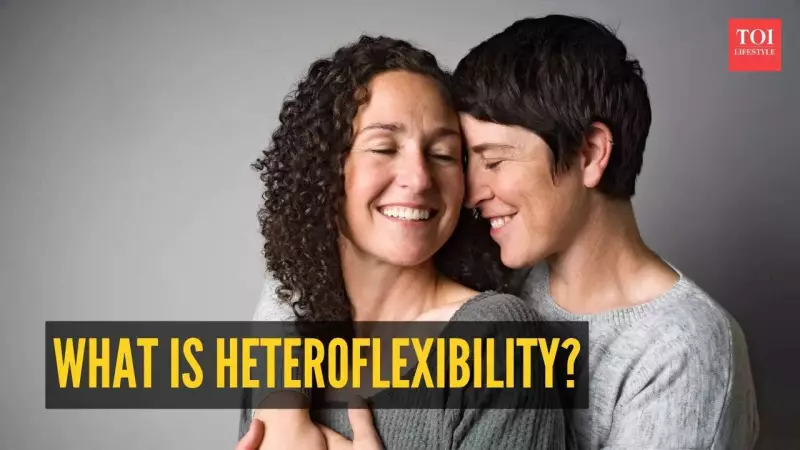
In the ever-evolving landscape of love and connection, three concepts are taking centre stage: curiosity, a lack of rigid commitment, and fluidity. These ideas perfectly encapsulate modern romance and also define a burgeoning sexual identity known as heteroflexibility, a term resonating with a growing number of individuals, especially on dating platforms.
What Exactly Does Heteroflexible Mean?
If you've ever heard someone describe themselves as "mostly straight but curious," you've encountered the essence of heteroflexibility. This modern identity is for people who primarily feel attraction towards the opposite sex but maintain an openness to exploring potential romantic or sexual connections with the same gender. It's characterised by a sense of exploration without the pressure of adopting a completely new label.
The concept is gaining remarkable traction. Feeld's 2025 Raw Report, a study from the app catering to non-traditional dating, highlighted that heteroflexibility is the fastest-growing sexuality in the United Kingdom. In the United States, approximately 15% of people identify with it, indicating that millions are stepping away from rigid sexual categories.

Why Is This Identity Exploding in Popularity Now?
The post-pandemic world has seen a significant shift in social norms, with many traditional frameworks feeling outdated. Dina Mohammad-Laity, Feeld's Vice President of Data, explained to NDTV that there is a clear surge in people seeking authentic and fluid ways to connect, emphasising playfulness and genuine interaction.
This rise is also a testament to decades of LGBTQ+ advocacy. From German activist Karl Heinrich Ulrichs challenging a "straight-only" world in the late 1800s to the explosive visibility of LGBTQ+ communities today, the journey has paved the way for broader acceptance of fluid identities like bisexual, pansexual, and now, heteroflexible. Dating apps have further normalised this curiosity, creating spaces for low-pressure experimentation without immediate judgment.
The Great Debate: A Helpful Label or a Step Back?
While many find the term heteroflexible relatable and liberating, it has sparked a complex debate within the broader queer community. For some individuals who identify as bisexual or pansexual, there is concern that this new, more ambiguous label might dilute the hard-won visibility and understanding of their identities. Having battled stigma for decades, some see heteroflexibility as a form of erasure or a way to avoid the societal weight associated with more established LGBTQ+ labels.
Conversely, supporters celebrate heteroflexibility as a sign that rigid definitions of sexuality are finally fading. For those who are curious but hesitant, or who feel their experiences don't fit neatly into existing boxes, it offers a vocabulary for self-description and a sense of freedom. It represents the ongoing cultural move towards personal authenticity over strict categorization.
The conversation around heteroflexibility is vibrant and ongoing, reflecting a society in flux. What are your views on this evolving aspect of modern identity and dating? Tell us in the comments section below.