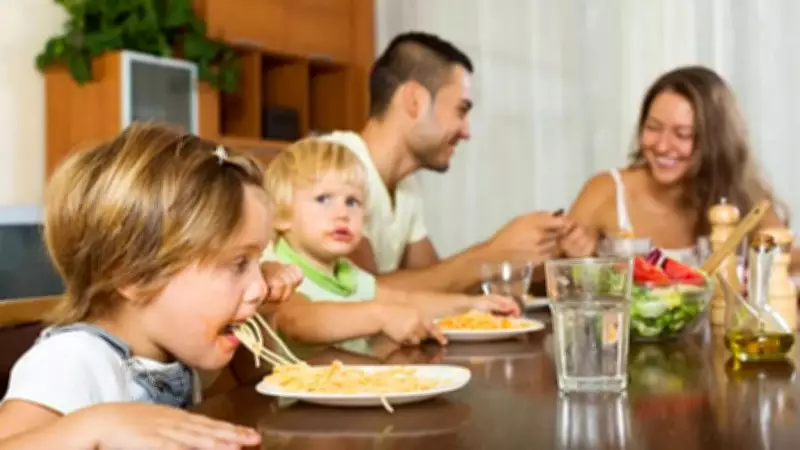
The Power of Family Dinners in Modern Parenting
In today's fast-paced world, parents are often overwhelmed with work commitments, while children juggle school, homework, and digital gadgets. This hectic lifestyle makes quality family time a rare commodity. However, one simple yet profound solution stands out: sharing family dinners together. This ordinary routine holds extraordinary potential for nurturing strong emotional bonds between parents and children, fostering a sense of security, appreciation, and deep attachment.
Enhancing Communication Between Parents and Children
Family dinners serve as a vital platform for open communication. During these meals, children can freely discuss their day at school, sharing stories about friends, teachers, and personal experiences. Similarly, parents have the opportunity to talk about their work, daily learnings, and life insights. This exchange helps children feel comfortable confiding in their parents, which is essential for building a robust and trusting parent-child relationship. Effective communication during dinner time lays the foundation for lifelong connections.
Fostering Emotional Security in Children
Eating dinner together as a family allows children to experience emotional security. They feel included and valued as part of a cohesive unit, knowing there is dedicated time to sit and share a meal with their parents. According to numerous psychologists, children who regularly dine with their parents tend to develop stronger emotional resilience compared to those who do not. This sense of security helps them grow into emotionally stable and confident individuals as they mature.

Building Family Traditions and Cherished Memories
Regular family dinners create lasting traditions and memories that children treasure into adulthood. Activities like telling jokes, sharing stories, or cooking meals together become cherished rituals that promote family unity. These experiences strengthen the emotional attachment between parents and children, ensuring that bonds remain strong even during the challenging teenage years and beyond. Such traditions contribute to a sense of identity and belonging within the family.
Helping Parents Understand Their Children Better
Dinner time provides a unique window for parents to gain deeper insights into their children's lives. In a relaxed setting, parents can observe subtle cues, such as whether a child is unusually quiet or stressed, which might not be apparent in other contexts. Many children hesitate to openly discuss their struggles, but casual conversations over a meal can encourage openness. This understanding enables parents to offer better guidance and support, steering their children in positive directions.
Reducing Screen Time and Minimizing Distractions
In many households, children often eat meals while watching TV or using mobile devices, which hampers family interaction and communication. Implementing screen-free family dinners for just 20 to 30 minutes can have a transformative impact. Without digital distractions, parents and children can engage in meaningful conversations and interactions, significantly improving the quality of their relationship. This practice not only enhances bonding but also sets a healthy precedent for managing technology use in family life.