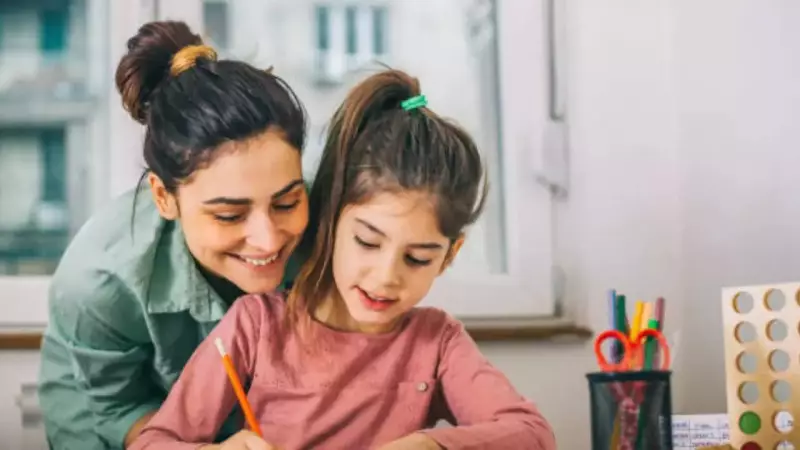
A mother's role extends far beyond caregiving; she is the primary architect of a child's behavioural and emotional blueprint. Long before a child comprehends verbal instructions, they are keenly observing and internalising their mother's actions, reactions, and overall conduct. This silent learning forms the foundation of their personality. Here are the seven fundamental behavioural traits that children directly acquire from their mothers.
The Social and Emotional Blueprint
From their earliest days, children look to their mothers to understand the world of emotions and relationships. The patterns demonstrated at home become their lifelong reference points.
1. Attitude Towards Relationships
How a mother navigates her social interactions and resolves conflicts serves as a live model for her children. They learn what healthy relationships should look like by observing her practice good communication, offer support, and manage disagreements constructively. These early lessons are critical for building fulfilling and resilient relationships throughout their lives.

2. Empathy and Compassion
Children learn to care for others by witnessing their mother's kindness. Whether she is helping a relative, listening to a friend, or showing consideration to a stranger, these acts of empathy are powerful tutorials. Simple, consistent demonstrations of compassion teach children to become considerate and sensitive individuals.
3. Emotional Expression
A mother's way of handling her own happiness, sadness, frustration, and anger is closely watched. When she acknowledges and manages her emotions in a healthy manner, children learn that all feelings are valid. They understand that emotions can be expressed without fear or uncontrolled outbursts, gaining crucial emotional intelligence.
The Framework for Discipline and Self-Perception
Beyond emotions, a mother's daily routines and self-view impart essential life skills and shape a child's sense of self.
4. Discipline and Responsibility
A mother's daily habits—be it in time management, maintaining cleanliness, or following through on tasks—profoundly influence a child's understanding of discipline. Consistency in these areas helps children grasp the concepts of structure, routine, and personal responsibility, setting them up for success in their future endeavours.
5. Self-Confidence and Self-Esteem
A child's self-view is often a reflection of how their mother views and treats herself. When a mother practices self-respect, sets boundaries, and exhibits confidence, her child learns to value themselves similarly. This mirrored behaviour is fundamental in building a strong and positive self-image.
Essential Life Skills Modelled Daily
The practical skills of navigating life's challenges and communicating effectively are also absorbed through observation.
6. Coping with Challenges
Life is full of obstacles, and children learn how to face them by watching their mother's response. When she stays calm under pressure, proactively seeks solutions, and isn't afraid to ask for help, she teaches effective problem-solving and resilience. This equips children with a robust coping mechanism for their own lives.
7. Communication and Listening Skills
The foundation of all interaction is laid at home. A mother's method of speaking, listening attentively, and responding respectfully to her child offers a masterclass in communication. By using a respectful tone, maintaining eye contact, and practicing patience, she teaches her child how to communicate clearly and with respect for others.
In essence, a mother's influence is both profound and pervasive. The behaviours she models daily—often without conscious effort—become the ingrained traits that guide her children's approach to life, relationships, and themselves. This underscores the powerful and lasting impact of maternal example in the journey of parenting.