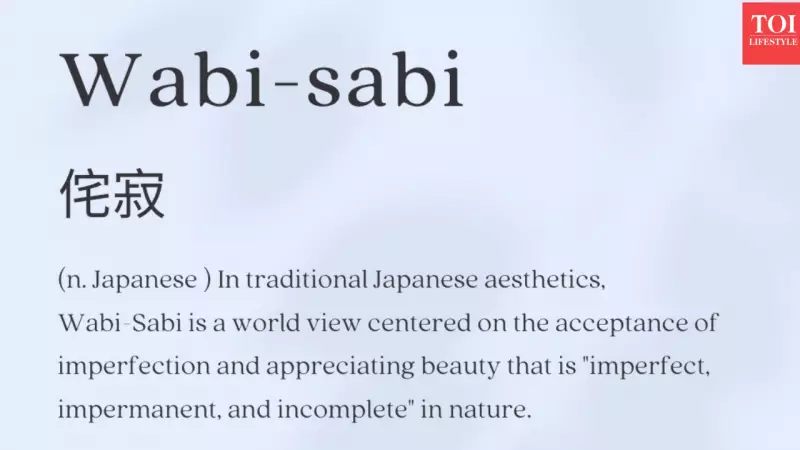
In a world obsessed with curated perfection, a quiet Japanese philosophy offers a profound antidote. Wabi-Sabi, an aesthetic and worldview rooted in Zen Buddhism, teaches the art of finding beauty in imperfection, transience, and authenticity. Unlike loud self-help trends, it whispers a simple, grounding truth: nothing lasts, nothing is finished, and nothing is perfect. This ancient concept, gaining fresh relevance in our modern, high-pressure lives, provides a framework for living with more grace and less anxiety.
The Core of Wabi-Sabi: Humility and the Patina of Time
To understand Wabi-Sabi, it helps to break it down. Wabi refers to the humble, rustic beauty found in simplicity and in harmony with nature. It is the appreciation of a hand-thrown clay cup over a mass-produced, flawless one. Sabi is the beauty that comes with age, the dignified grace of the weathered and worn—the moss on a stone, the fading colour of a beloved fabric, the memories etched into a well-used piece of furniture. Together, they form a lens through which to see the world, celebrating the natural cycle of growth, decay, and death not as flaws, but as essential elements of true beauty.
This philosophy is deeply woven into Japanese culture, from the deliberate asymmetry and natural materials in tea ceremonies to the art of kintsugi, where broken pottery is repaired with lacquer dusted with gold, silver, or platinum, highlighting the breaks as part of the object's history rather than disguising them.

Why Wabi-Sabi is the Antidote to Modern Life
Today's digital age bombards us with images of perfect lives, flawless skin, impeccable homes, and relentless productivity. This creates immense pressure to perform and present a polished, highlight-reel version of ourselves. Wabi-Sabi directly counters this by giving us permission to be authentically human—messy, evolving, and imperfect.
It encourages us to trade the exhausting pursuit of flawless outcomes for the rich, textured experience of being present. It's in the warmth of morning sun on a wall, the comforting taste of slightly burnt toast, or the unplanned laughter with a friend. By softening our self-imposed edges, Wabi-Sabi helps reduce anxiety and fosters a deeper appreciation for the ordinary moments that make up a real life.
Bringing Wabi-Sabi into Your Home and Daily Rituals
Integrating this philosophy doesn't require a major overhaul; it starts with a shift in perception. In your home, favour intention over perfection. Choose objects with a story—a slightly dented brass diya, a handwoven basket, a wooden table with visible grain and marks. Let natural materials like clay, linen, bamboo, and stone take centre stage. The goal isn't clutter or sterile minimalism, but a space that feels lived-in, soulful, and connected to you.
Simple, mindful rituals can anchor you in this mindset. Lighting a lamp in the evening, tending to a plant, or simply allowing natural light to fill a room are all acts of Wabi-Sabi. It's about creating a home that serves your soul, not just impresses guests.
Adopting a Wabi-Sabi Mindset for Personal Growth
The most transformative application of Wabi-Sabi is internal. It begins with letting go of perfectionism in small, manageable ways.

- Embrace 'Good Enough': Enjoy a home-cooked meal for its warmth and love, not its Michelin-star presentation. Value heartfelt, messy handwriting over sterile type.
- Accept Natural Rhythms: Understand that you, like all things, are in a constant state of flux. Good days and bad days are part of the natural cycle; neither defines you.
- Practice Mindful Observation: Slow down to truly notice textures and sensations—the smell of rain on earth, the comfort of a well-worn shawl, the steam curling from your chai.
- Repair and Cherish: Adopt the spirit of kintsugi in your own life. Mend what is broken when you can, seeing the repair as a testament to resilience and history.
Ultimately, Wabi-Sabi is a gentle rebellion against the tyranny of perfection. It is a call to be kinder to yourself, your surroundings, and your relationships. As the original article, published on ETimes.in on December 2, 2025, beautifully concludes, this philosophy whispers a liberating truth: your life doesn't need to be flawless to be beautiful. It just needs to be lived with attention, honesty, and a little grace.