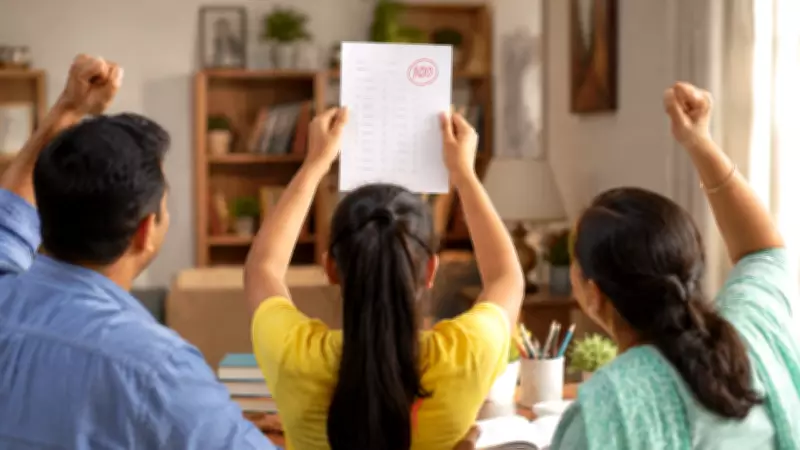
Some children walk into exams with a calm that looks almost effortless. They are prepared, yes, but there is usually something deeper at work than marks and timetables. At home, confident toppers are often raised in spaces where pressure is not the only language. Their parents do not just chase results; they build rhythm, self-belief and emotional steadiness. The difference is rarely dramatic. It shows up in small, repeated habits: the way mistakes are handled, the way effort is praised, and the way children are taught to think for themselves instead of constantly waiting for instructions. Scroll down to read more about these transformative parenting approaches.
They Make Effort More Important Than Rank
Confident toppers usually grow up hearing that grades matter, but not at the cost of their self-worth. Their parents focus on effort, consistency and improvement, not just the final score sheet. That changes everything. A child who is praised only for ranking high may become afraid of slipping. A child who is praised for showing up, revising and recovering from bad days learns that performance can rise and fall without damaging their identity. This foundational shift allows children to view challenges as opportunities rather than threats.
They Create a Calm Home, Not a Panic Room
At home, the tone matters as much as the textbooks. Parents of confident toppers do not turn every test into a family emergency. They may care deeply, but they do not make anxiety the atmosphere of the house. There is structure, but also emotional safety. The child knows a bad mark will lead to a conversation, not humiliation. That safety allows children to take intellectual risks, ask questions and admit when they do not understand something. A calm environment fosters clear thinking and reduces stress-induced errors.

They Teach Children to Manage Failure Early
Confident toppers are not necessarily children who have never failed. More often, they are children who have learned that failure is information, not identity. Their parents do not rush to rescue them from every disappointment. Instead, they help them look at what went wrong, what can be fixed, and what should be tried differently next time. That habit builds resilience. It also keeps children from collapsing at the first sign of imperfection. Over time, this approach cultivates a growth mindset that serves them well beyond academics.
They Let Children Think, Not Just Obey
At many homes, the smartest children are not the most controlled; they are the most encouraged to think. Parents of confident toppers ask questions, listen to answers and allow children to form their own opinions. They do not solve every problem instantly. They let children struggle a little, because struggle is where confidence often begins. When a child learns to make small decisions at home, they carry that steadiness into school, exams and later life. Independent thinking is a skill that pays dividends in every arena.
They Notice the Child, Not Just the Report Card
Children who perform well and feel secure usually have parents who pay attention beyond academics. They notice mood shifts, fatigue, social stress and boredom. They understand that a drop in marks may not mean laziness; it may mean exhaustion, loneliness or overwhelm. This kind of attention helps children feel seen as whole people, not just as students. And when children feel understood, they often become more open, more grounded and more willing to try again. Emotional attunement is a cornerstone of lasting confidence.
They Keep Comparison Out of Everyday Talk
Comparison is one of the fastest ways to quietly drain confidence. Parents of confident toppers usually avoid turning siblings, cousins or classmates into measuring sticks. They may use competition as motivation, but not as a weapon. Their children learn to compete with their own previous effort rather than someone else’s highlight reel. That protects self-esteem and keeps ambition cleaner. When children are free from constant comparison, they can focus on personal growth and intrinsic motivation.

They Model Confidence Themselves
Children absorb tone before advice. A parent who is constantly anxious, critical or self-doubting often passes that energy on without meaning to. Confident toppers often come from homes where adults model calm problem-solving, discipline and emotional balance. The message is subtle but powerful: life can be handled. Challenges can be met. And setbacks do not have to become a drama. By demonstrating resilience and composure, parents provide a living example of how to navigate adversity.
The Real Lesson
Confident toppers are rarely made by pressure alone. They are shaped in homes where discipline is present, but so is trust. Their parents do not try to manufacture perfection. They build a child who can stay steady under pressure, recover after mistakes and believe that their worth is bigger than a mark sheet. That is the quiet advantage that lasts long after the exam is over. Ultimately, the goal is not just academic success, but raising a resilient, self-assured individual ready for life's many challenges.