How Home Environment Shapes Organized Children: 5 Key Habits
To understand whether a child is organized, do not begin by observing the child directly. Instead, examine the household environment. The home typically reveals everything about a child's organizational development. In numerous households, mornings descend into chaos as family members scramble to locate missing items. One shoe is lost, the water bottle is misplaced, homework lies buried beneath a stack of books, and everyone searches frantically, inevitably running late.
Conversely, other households operate with relative smoothness and punctuality. While not perfect or regimented like a military camp, these homes function where individuals know the location of belongings, understand daily tasks, and mornings avoid becoming disastrous events.
Children do not become organized merely by hearing the instruction "be organized." They develop organizational skills by inhabiting a system where small tasks are consistently performed in specific ways daily. Organization is rarely taught through formal lessons; it is predominantly copied from environmental cues and modeled behaviors.

Five Subtle Home Habits That Cultivate Organization in Children
Here are several uncomplicated habits practiced at home that quietly foster organization in children without requiring lengthy parental lectures or constant reminders.
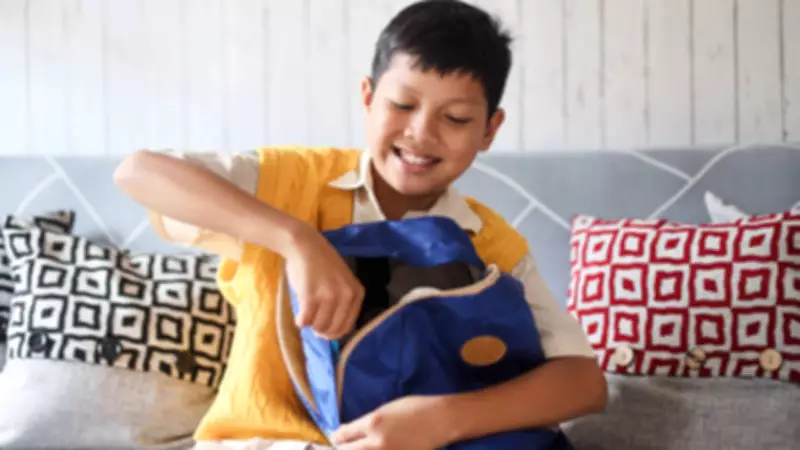
- Packing Their Own School Bag
When parents pack the school bag every day, the bag itself may be organized, but the child remains disorganized. Children who pack their own bags initially forget items—notebooks, pencils, or even homework assignments. However, after experiencing the consequences of these mistakes a few times, they begin to check their bags meticulously. Forgetting once teaches more effectively than ten parental reminders.
- "Return It to Where You Found It"
This single principle can resolve approximately half of the clutter in most households. Toys, books, shoes, bags, and all belongings should be returned to their designated places after use. Children do not inherently know this rule; they learn it when it becomes a consistent household expectation. Gradually, they cease tossing items randomly because they realize they will need to locate them later.
- Night-Before Preparation, Not Morning Panic
Organized families typically avoid frantic morning rushes by preparing the night before. Bags are packed, clothes are laid out, shoes are positioned, and water bottles are readied. Children who grow up witnessing this routine comprehend planning intuitively, without anyone explicitly explaining the concept of "planning."
- Daily Small Responsibilities
Assigning minor tasks such as watering plants, setting the table, arranging books, folding laundry, or feeding a pet makes a significant impact. Responsibilities inherently teach organization because the child understands that something depends on their actions and they must remember to complete these duties.
- Allow Them to Forget Occasionally
This practice is profoundly important yet challenging for parents. When a child forgets an item or task and faces natural consequences, they learn more rapidly than through daily parental notifications. Organization is not constructed through constant reminders; it is built through personal responsibility and experiential learning.
Most organized children are not born with innate organizational traits. They simply matured in homes where small tasks were executed properly every day. Fundamentally, organization transcends neat shelves and labeled containers. It revolves around understanding what needs to be accomplished and remembering to execute those tasks consistently.
About the Author: TOI Lifestyle Desk

The TOI Lifestyle Desk comprises a dynamic team of committed journalists who, with unwavering passion and dedication, analyze the nation's pulse to curate a vibrant tapestry of lifestyle news for The Times of India readership. At the TOI Lifestyle Desk, we explore beyond the obvious, delving into extraordinary aspects of daily life. Consider us your lifestyle companion, offering daily inspiration and information. Whether you seek the latest fashion trends, travel adventures, culinary delights, or wellness advice, the TOI Lifestyle Desk serves as your comprehensive destination for an enriching lifestyle experience.