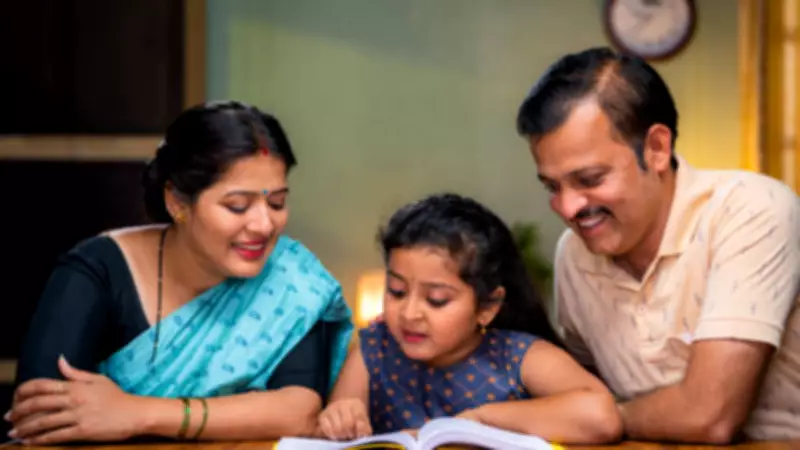
The Unseen Classroom: How Playgrounds and Homes Shape Responsible Children
Most evenings at any neighborhood playground present a familiar, slightly chaotic scene. Children dash in every direction, their laughter and shouts filling the air. Someone inevitably cries after losing a turn on the swing, while another stubbornly refuses to leave when called. Parents stand nearby, offering reminders, chatting with other adults, checking phones—present yet often distracted by the demands of daily life.
This noisy, vibrant environment might seem like simple playtime, but it's actually where children begin absorbing crucial lessons about behavior and responsibility, entirely without formal teaching. Responsibility doesn't magically appear at a certain age; it emerges gradually through these everyday interactions.
The Quiet Beginnings of Responsibility
Responsibility starts with small, easily overlooked moments. A child waits for their turn on the slide despite impatience. Another picks up their water bottle before heading home. Someone mutters a quiet "sorry" after pushing too hard during a game. At the time, these actions seem ordinary, but years later, children often recall them as foundational memories that shaped their understanding of how to navigate the world.

Building Foundations Through Home Habits
At home, responsibility typically begins with mundane, routine tasks that slowly become ingrained habits. These include:
- Putting toys back in their designated places
- Carrying their own school bag
- Helping place plates on the dinner table
- Keeping shoes organized in one spot
Nothing about these activities stands out as extraordinary, yet they collectively shape how children perceive their role within the family. Through repetition, children learn that shared spaces require shared effort and that they're expected to contribute, however modestly, rather than simply being served.
Parents frequently intervene because it's faster—mornings are rushed, evenings are exhausting, and making the bed or packing a bag yourself seems more efficient. However, when children complete these small tasks independently, even clumsily, they develop a sense of capability and self-reliance that forms the bedrock of responsibility.
Learning Through Mistakes and Natural Consequences
Children don't learn responsibility by always getting things right. Instead, they learn through forgetting, losing, spilling, and breaking things. Homework left at home, a misplaced water bottle, or a favorite toy damaged during rough play—these incidents provide powerful teaching moments.
While it's tempting for parents to immediately fix these situations, allowing children to experience natural consequences often teaches more effectively. Hunger reminds them to remember their lunch next time. A broken toy demonstrates the importance of careful handling. A missing notebook underscores the value of organization. These lessons land quietly but leave lasting impressions.
Everyday Environments as Training Grounds
Playgrounds, classrooms, school corridors, and neighborhood lanes all serve as informal training grounds for responsibility. Between playground games and daily routines, children begin comprehending how the world operates. A casual cricket match reveals the dynamics of teamwork. A brief conflict over a swing teaches compromise and adjustment. Even the boredom of standing in line gradually builds patience.
Parents don't need to resolve every minor conflict. Sometimes, stepping back allows children to devise their own solutions. Struggling a little fosters confidence, and figuring things out independently gives them quiet pride in their abilities.
Developing Awareness of Others
As children mature, they start noticing small considerations beyond themselves. Holding a lift door for someone behind them, thanking an auto driver, or moving aside on a crowded staircase—these habits rarely stem from lectures. Instead, they emerge from observing adults' behavior around them.
Eventually, children begin mimicking these gestures, sometimes awkwardly or shyly. A quiet "thank you," an uncertain smile, a hesitant step back to create space—none of it is perfect, but each instance indicates that the lessons are sinking in.

The Inconsistent Journey of Growth
The development of responsibility is slow and often inconsistent. A child who waits patiently one day might push ahead the next. A toddler who carefully puts toys away might scatter them everywhere the following afternoon. Some days feel smoother than others, and parents gradually learn to expect both progress and regression as natural parts of the process.
It often begins with tiny moments—a question asked without pressure, a pause that isn't rushed. In those quiet gaps, children start understanding their choices not as imposed rules, but as integral aspects of growing up. Not always, but increasingly over time, these everyday experiences weave together to form responsible, considerate individuals.