How Childhood Rules Shape Adult Life: From Resentment to Gratitude
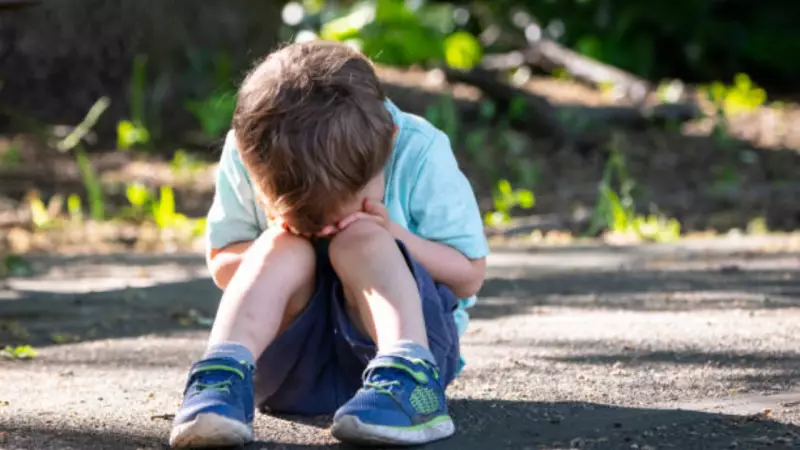
Every child remembers those endless rules. Eat your vegetables before dessert. Finish homework before screen time. No running in the house. Kids grumbled. They rolled their eyes. Some staged quiet rebellions against these parental commands.
The Invisible Threads of Daily Routines
Looking back, those same commands were quietly shaping the rhythm of life. They were invisible threads pulling children toward patience. They taught kids to notice things that didn't always bring instant reward. At the time, every no felt like an unnecessary wall. Later, it settled into an understanding that comes slowly, almost without noticing.
Mealtimes often felt like battlefields. Parents insisted on trying new dishes, however reluctantly. This insistence not only led to healthier bodies. It also enhanced taste buds and sparked curiosity. Some kids resisted carrots or fish with cheeks puffed out and eyes on the clock. Later, the taste that was once forced became comfort food. The memory of resistance turned soft, even funny.

There was something in the insistence that stuck. It created a sense that patience could be rewarded. It showed that discomfort was often temporary.
Why Boundaries Felt Like Fences – And Later, Guidance
Then there were rules about space and privacy. No barging into rooms without knocking. Share but don't overshare. Wait for your turn. Kids hated these boundaries. They were always testing limits. Doors got slammed just to see the reaction. Chairs were dragged an inch closer to the edge. Rules were pushed until someone noticed.
Boundaries felt annoying then. They seemed like someone moving goalposts for no clear reason. Honestly, they felt unfair most days. It never felt like lessons about respect. It felt like control.
But later, in classrooms and friendships, even in crowded buses, those early limits show up quietly. Not as fear. Not as rules. But as an instinct to pause. To notice others. To understand that space and behavior actually matter.
The Hidden Value of Rest and Routine
Children would realize much later that rest was not just a pause. It was preparation. The body and mind, shaped by routines they hated, eventually carried them through adulthood. They developed endurance they hadn't yet understood. Sleep became less of a rule and more of a friend. It became a gift that arrived because someone once said firmly, Enough for today.
Little Truths That Become Big Lessons
Children resented rules about honesty. Telling the truth felt hard. Admitting mistakes seemed difficult. Taking responsibility for minor accidents appeared unnecessary. It was easier to hide. To lie. To hope the world wouldn't find out.
Parents didn't usually explain the future while setting rules. There was no long discourse about consequences. Just a clear no, and that was it. Lying, sneaking around, finding shortcuts felt smarter back then. Safer too.
But over time, those habits stopped working. That old insistence, the one that felt stubborn and unnecessary, started making sense. It wasn't about obedience. It was about standing by choices even when it felt uncomfortable. Accountability didn't feel kind then. Later it oddly felt freeing. Like not having to carry excuses around anymore.
When Simple Habits Become Life Skills
Some rules felt almost invisible then. Walk on the sidewalk instead of the street. Wait in line at the store. Speak softly in libraries. Children resisted quietly, or loudly, with a mix of confusion and stubbornness.
They didn't yet understand that these rules created a map for navigating the wider world. They taught patience. They built awareness. They developed a subtle understanding of others' rhythms. Those lessons were internal. They grew slowly. Often, children only acknowledged them much later. Life made their relevance clear in ways no lecture ever could.
The Quiet Transformation
It's strange, thinking back. So much resentment and rebellion lived side by side with gratitude. The gratitude remained unspoken at the time. Rules that once caused eye-rolls and arguments slowly turn into quiet skills. Patience at work. Honesty with friends. Respect for limits. The ability to stay steady when attention actually matters.

The lessons were never framed as gifts. They weren't rewards. They didn't earn points on a report card. Yet they carried significant weight in adult life.
In the end, the rules children hated weren't just about control or discipline. They were small, careful instructions on navigating life's messiness. No one admitted it then. Maybe that's the quiet truth. Some things are learned not because they're explained. They're learned because they are experienced. Later, with a gentle turn of contemplation, they reveal their nature. Like light coming through old windows, soft and forgiving.