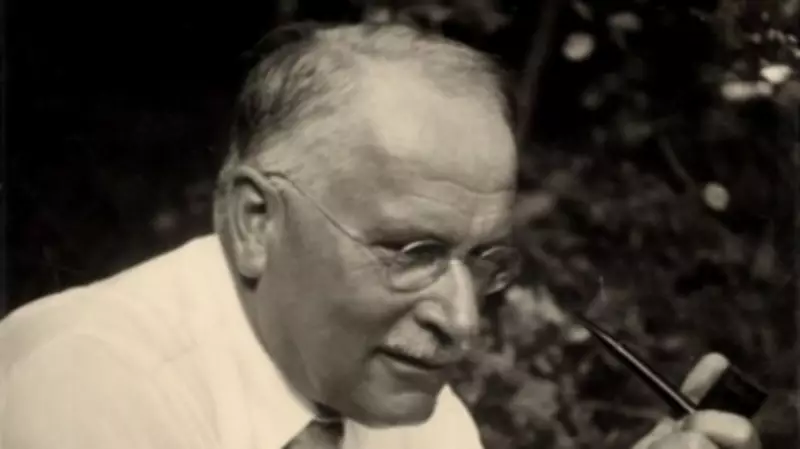
Carl Jung's Empowering Quote on Personal Transformation
Carl Jung, the renowned Swiss psychiatrist and psychoanalyst, once said, 'I am not what happened to me, I am what I choose to become.' This profound statement has resonated with millions around the world, offering a powerful perspective on resilience and self-empowerment.
Jung's quote emphasizes that our past does not define us. Instead, it is our conscious choices and actions that shape our identity. This idea is central to his theories on individuation and personal growth.
The Meaning Behind the Words
At its core, this quote challenges the notion that we are victims of our circumstances. Jung believed that while we cannot control everything that happens to us, we have the power to choose how we respond. This choice is what ultimately determines our character and destiny.

The quote encourages individuals to take responsibility for their lives. It suggests that dwelling on past traumas or failures can hold us back, but by focusing on our ability to choose, we can overcome obstacles and achieve personal transformation.
Impact on Modern Psychology
Jung's idea has influenced various fields, including cognitive-behavioral therapy and positive psychology. Therapists often use this concept to help clients reframe their narratives and build resilience. It empowers people to see themselves as active agents in their own lives rather than passive recipients of fate.
Applying the Quote in Daily Life
To embody this philosophy, one can practice mindfulness and self-reflection. By recognizing that each moment offers a choice, individuals can break free from negative patterns. For example, someone who has experienced failure can choose to see it as a learning opportunity rather than a defining event.
Jung's words also inspire goal-setting and personal development. They remind us that we have the capacity to evolve and become the person we aspire to be, regardless of our past.
Conclusion
Carl Jung's quote remains a timeless reminder of human potential. It teaches us that while we cannot change what has happened, we can always choose our path forward. This message of hope and empowerment continues to inspire people to take charge of their lives and pursue growth.