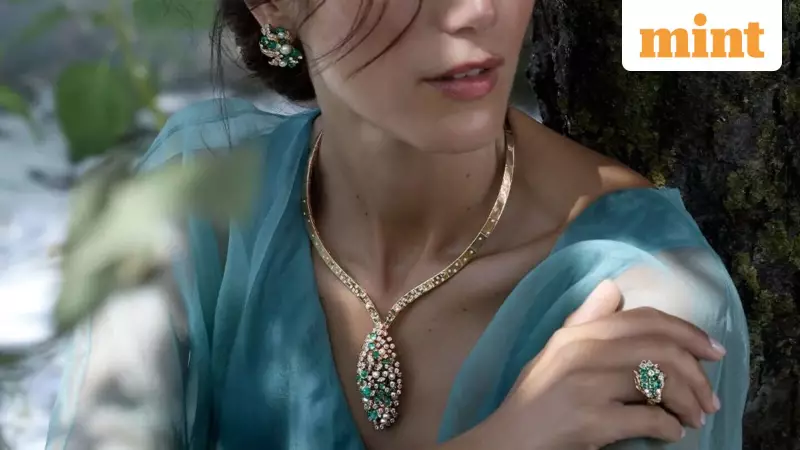
Zoya's New Approach: Luxury Jewellery Meets Bespoke Experiences
Imagine proposing to your girlfriend after five years together. You take her to a luxurious hotel in an exclusive destination like Courchevel. One afternoon, as she enjoys hot chocolate after skiing, you present a five-carat diamond ring. If planning such a surprise seems daunting, Zoya, the ultra-luxury jewellery brand from Tata-owned Titan Company, offers a solution.
The brand does not merely sell products. It creates hyper-personalized private experiences to pamper luxury clients. This strategy helps build a loyal customer base in India's evolving jewellery market.
Curating Unique Moments for Clients
Zoya operates nine stores across India. The 15-year-old brand focuses on exclusive services. For instance, it arranges last-minute Wimbledon tickets for clients. It closes a Delhi store for a family anniversary party. It organizes visits to the Pantnagar factory in Uttarakhand where customers see their custom designs being crafted.

These efforts aim to make luxury clients feel special. The brand believes such personalized touches cannot be replicated easily. They help establish strong relationships with consumers.
Targeting Independent Indian Women
India's organized luxury jewellery space welcomes new players. Brands like Zoya and Indriya, launched by the Aditya Birla Group in 2024, target independent Indian women. These customers view jewellery as both self-expression and investment.
They prefer wearable, striking pieces over ornate designs. They spend freely on bracelets, necklaces, and pendants. This trend reflects broader changes in consumer behavior.
Insights from Titan's Managing Director
Ajoy Chawla, Managing Director of Titan Company Ltd, discusses the shifting jewellery landscape. He highlights the rise of organized retail and branded jewellery. Macro forces like GST implementation and hallmarking regulations drive this change.
Chawla notes several key trends. More people earn higher incomes today. Many are self-made, not from traditional business families. Indians show greater confidence in their heritage. They believe India can produce world-class products.
Consumers become more brand-driven, especially in jewellery. They explore options beyond family-connected local jewellers. Post-pandemic, customers seek trusted brands that endure over time. Most Indians still value jewellery as an asset with future worth.
Generational Preferences in Jewellery
Gen Z buyers also seek preciousness. They want assurance that their purchases retain value for potential future exchanges. Millennials shopping at Zoya often choose lighter pieces. They appreciate the artistry of heavier designs but prefer items they can wear regularly.
Customers aged 40 and above typically buy heavier pieces. However, even they avoid classic ornate styles. Modern designs gain popularity across age groups.
The Power of Storytelling in Luxury
Zoya draws inspiration from stepwells and Chinar trees for its collections. Storytelling plays a crucial role in luxury branding. Chawla explains that retail brands sell products, while product brands sell stories and designs.
Great stories elevate creations and differentiate brands in the market. Customers first like a product, then engage with its narrative. They buy into the brand, the story, and the experience.
Curating experiences remains vital. For example, Zoya organizes catering services at home for clients celebrating important anniversaries. Such services are never publicly marketed. They build intimate connections with luxury consumers.
This customized approach sets Zoya apart. It demonstrates how luxury brands can thrive by offering unparalleled personalization in a competitive industry.