Scotch Whisky's New Chapter in India
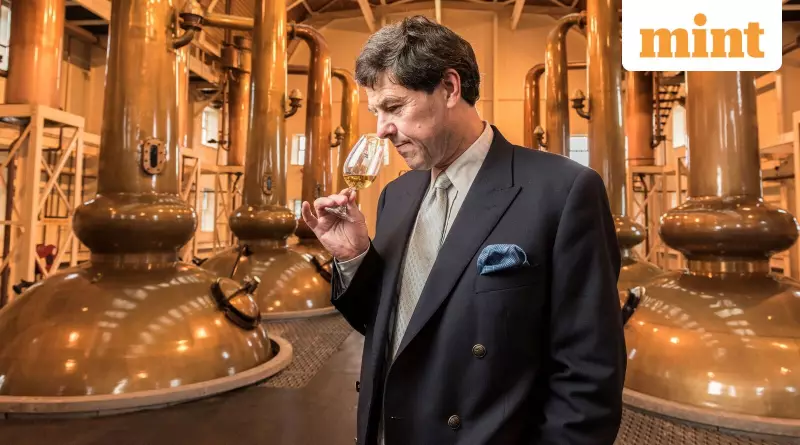
Bill Lumsden, the master distiller at Scotland's Glenmorangie, has a surprising confession to make despite his multiple visits to India. "I haven't seen the Taj Mahal yet," he admits with a laugh during his first trip to the country in six years. The purpose of his current visit marks a significant moment for whisky enthusiasts across India - the launch of Glenmorangie's brand new 12-Year-Old expression, which replaces their popular 10-Year-Old variant.
Lumsden's timing couldn't be more perfect. His arrival coincides with a transformative period for the Scotch whisky industry in India, driven by the recently signed India-UK Free Trade Agreement in May this year. The landmark agreement has slashed import duties on Scotch whisky from 150% to 75%, with plans to gradually reduce them to 40% over the next decade.
India's Thirst for Premium Scotch
The numbers speak volumes about India's growing love affair with Scotch whisky. According to the Scotch Whisky Association, India imported 192 million bottles of Scotch in 2024, maintaining its position as the world's largest Scotch whisky importer. This represents a significant jump from the 167 million bottles imported in 2023.

Lumsden observes that this growth is largely driven by premiumization trends that emerged post-Covid. "Consumers are drinking better rather than drinking more," he notes, highlighting a shift in drinking patterns across the country.
The master distiller, who holds a PhD in biochemistry and is often called the "maverick scientist" in whisky circles, believes the Indian single malt scene is creating exciting opportunities. "It's great for premiumisation because the right Indian brands such as Amrut and Paul John, which we also see on UK stores now, will help to expand the single malt market in the country," he explains.
Women and Cocktails Driving Change
Two significant factors are reshaping India's whisky landscape, according to industry experts. The rising consumption of whisky among women and the growing popularity of whisky cocktails are creating new market dynamics.
A Diageo India report released last year revealed that women now represent 40% of luxury alcohol consumption in India, up from just 25% a few years ago. This demographic shift is encouraging global brands to rethink their marketing strategies and product offerings.
Across India's vibrant bar scene, whisky cocktails are gaining prominence. From the Mango No.5 at Boilermaker in Goa to the Coorg Highball at Lair in Delhi, creative mixologists are incorporating whisky into innovative drinks. Lumsden himself is an enthusiast, sharing that his favourite way to drink Ardbeg (another brand under his supervision) is in a whisky sour.
"I am glad that it is more democratic today and everyone is more relaxed about drinking whisky, whether it's a gentleman or a lady," he reflects, noting how the elitist tag once associated with whisky has gradually faded.
Challenges and Opportunities Ahead
While optimistic about India's whisky market, Lumsden acknowledges the unique challenges of producing aged whisky in the country's climate. "It might be difficult to do a 12-Year-old in India. There just might not be any liquid left," he remarks, referring to the higher "angel's share" - the portion of whisky that evaporates during aging - in humid conditions.
The master distiller, known for his innovative cask finishes and experiments, also cautions against innovation for its own sake. He cites examples of questionable maturation practices in the industry, such as claims of using "champagne casks" - something he dismisses as impossible since champagne undergoes secondary fermentation in bottles, not casks.
Looking ahead, Lumsden foresees a bright future for whisky globally, with more countries including Japan, Taiwan, and Australia producing quality luxury whiskies. He's particularly impressed by Indian whiskies that are now appearing on international shelves.

With three decades in the industry, Lumsden remains confident about whisky's enduring appeal. "I'm confident that whisky will stay on for another 500 years just as it has for the last half a millennium," he says with a smile. "I won't be there to see it but my spirit will definitely be there."
As for that missed opportunity to see the Taj Mahal? Perhaps his next visit will finally include that iconic experience, alongside another chapter in India's evolving whisky story.