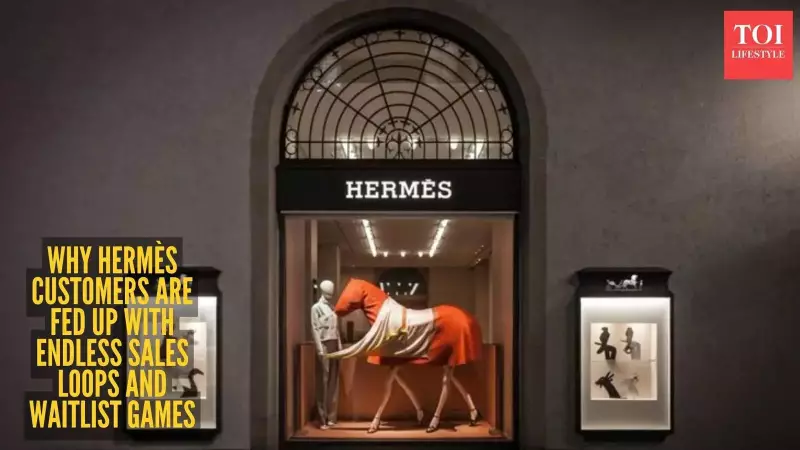
Hermès stands as a titan in the luxury world. The brand has mastered the art of creating desire. It does this through scarcity, exquisite craftsmanship, and pure exclusivity. Thierry Hermès founded the company in Paris back in 1837. It started by crafting high-quality saddles and harnesses for Europe's nobility. Later, it moved into the leather goods market.
The Modern Hermès Empire
Today, the brand offers much more. Its product line includes iconic silk scarves, stunning fashion ensembles, and legendary handbags. Timeless design, supreme quality, and artisanal skill define the Hermès name. The company remains independent and family-led. This structure helps maintain its exclusive aura. However, that very exclusivity is starting to create problems.
Customer Fatigue Sets In
The most loyal Hermès customers are now feeling worn out. Surprisingly, the high prices are not the main issue. Instead, an increasingly exhausting sales loop culture is causing the fatigue. Hermès operates a famously non-transparent waiting list system. This system offers no guarantee that loyalty will ever be rewarded, even after years of purchases.

Long-time customers find themselves trapped in a troubling cycle. The loop constantly tests their patience. It often begins with a desire to purchase. Then, a sales associate gets involved. This leads to multiple store visits. Rare seasonal drop collections appear on the rack. Yet, for the customer, consistency does not unlock access.
The Strict Rules of Access
You cannot simply order a famous Kelly or Birkin bag. Sales associates tightly manage access to these coveted items. They meticulously review a customer's purchase history across other departments. Reports suggest the checks have become even more invasive. Associates now reportedly examine a client's social standing and even their home address. This practice raises significant privacy concerns.
Social Media Backlash and 'Superfakes'
Many people on social media are speaking out. They claim the label stalks customers' postal addresses. The goal is to determine if their location is prestigious enough to qualify for a purchase. The rules have tightened so much that people now call the behavior absurd.
What once felt desirable now feels overly restrictive. Compounding the issue is the rise of high-quality counterfeits. These 'superfakes' make the game more challenging for Hermès. Some people now proudly flaunt these convincing replicas. This trend makes genuine clients question the value of the arduous process.
Questioning a Decades-Old Model
This is why loyal clients are beginning to question the model. The French label has followed this strategy for years. Now, people are asking a critical question. Luxury usually thrives on aspiration. But for aspiration to work, it must feel attainable. The current Hermès process, for many, feels simply exhausting.
The debate is open. Do you agree with the label's strict, exclusive model? Or do you think Hermès should loosen the strings a bit to respect its most devoted patrons? The brand's future relationship with its core customers may depend on the answer.