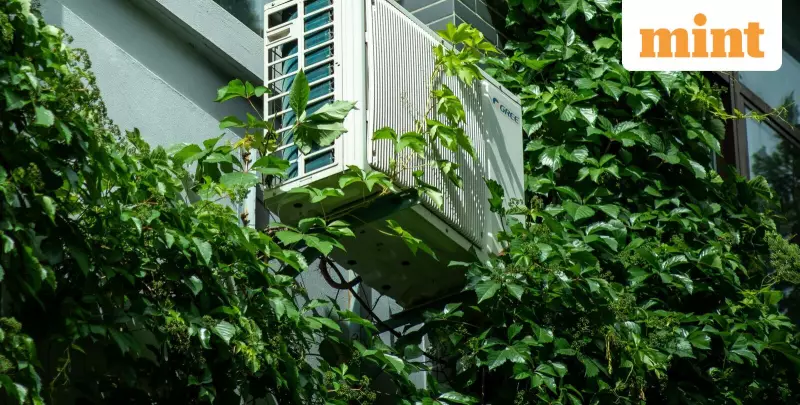
As the winter chill sets in across India, many homeowners perform a familiar ritual: draping a protective cover over their outdoor air conditioning unit. This action, driven by the desire to shield the expensive appliance from cold air, rain, and snow, seems logical. However, heating and cooling professionals are issuing a clear warning: this well-intentioned habit is causing more harm than good.
The Hidden Dangers of AC Covers
Contrary to popular belief, an AC cover does not act as a protective shield. Instead, it creates a confined environment ripe for problems. HVAC specialists confirm that covers can trap moisture inside the unit. Once a cover is placed, airflow drops dramatically, creating a damp, stagnant pocket. This environment becomes a breeding ground for mould and significantly speeds up corrosion on sensitive metal components.
Another major concern is wildlife. A covered AC unit becomes an inviting, warm shelter for rodents, insects, and other small creatures. These pests can chew through electrical wires and settle inside the system, often going completely unnoticed throughout the winter months. The extensive damage they cause typically only becomes apparent when homeowners try to switch the unit back on in the spring, leading to costly repairs.

Expert Recommendation: Skip the Cover
To clarify the best winter practice, we spoke with HVAC professional DR Richardson, Co-Founder and CEO of Elephant Energy. His advice is straightforward: homeowners should not cover their AC units or heat pumps during winter.
Richardson explains that by forgoing the cover, homeowners automatically avoid the twin problems of trapped moisture and pest infestations. He emphasizes that good maintenance offers far better protection than a plastic sheet or a fabric cover. The focus should shift from covering the unit to ensuring its overall winter readiness through simple, proactive care.
Proper Winter Care for Your AC Unit
So, what should you do instead? HVAC experts recommend a few simple, effective steps to keep your AC unit in optimal condition through the cold months.
Clear the Area Around the Outdoor Unit: Brush away leaves, dirt, and debris from the outer coil. Ensure that snow does not pile up around the unit's base, allowing the system to breathe.
Maintain Clean Filters: Air filters should be checked every one to three months. Some larger filters can last four to six months. A clean filter is crucial for supporting smooth airflow and system efficiency.
Prepare for Temperature Dips: If a cold spell is forecast, slightly increase your indoor thermostat setting the day before. This gives your heat pump a helpful head start.
Avoid Thermostat Swings: Keep your thermostat at a steady setting. Avoiding large temperature fluctuations helps the system run smoothly and maintains consistent comfort.
Improve Home Insulation: Good insulation and air sealing throughout your home reduce heat loss and lower energy consumption. These steps also help manage cold spots inside the home.
Richardson concludes that routine care and smart usage offer the best long-term protection for your HVAC system. He advises anyone uncertain about their system's winter condition to contact a certified HVAC technician for a professional assessment.