As mosquito-borne diseases continue to pose health risks across India, many homeowners are turning to natural solutions to keep these pests at bay. Certain aromatic plants have proven particularly effective at creating protective barriers around living spaces without relying on chemical sprays.
Why Plants Work Against Mosquitoes
These mosquito-repelling plants release essential oils that interfere with the insects' ability to locate humans. The natural compounds mask human scent and disrupt mosquito navigation systems, making outdoor areas significantly less attractive to these pests. Growing these plants near windows, balconies, or seating areas provides continuous protection while enhancing your garden's beauty.
Top Mosquito-Repelling Plants for Indian Homes
Citronella Grass: The Natural Barrier
Citronella grass stands out as one of nature's most powerful mosquito deterrents. Its leaves contain citronellal and geraniol, compounds that effectively mask human scent. Planting it in sunny spots or large containers creates an aromatic shield around your property. For maximum effect, occasionally brush against the leaves to release more of its protective fragrance.

Lavender: Beautiful and Protective
The soothing purple blooms of lavender do more than just beautify your garden. They contain linalool, a natural compound that overwhelms mosquito senses. Position lavender plants near windows, balconies, or along pathways to create fragrant mosquito-free zones. This plant also attracts beneficial pollinators while adding a calming ambiance to your outdoor space.
Peppermint: The Multi-Purpose Repellent
Peppermint's strong menthol scent serves as an excellent mosquito deterrent. The plant's oils interfere with mosquito sensory receptors, keeping them at a safe distance. Since peppermint spreads rapidly, growing it in containers is recommended. Crushing the leaves releases additional aroma, boosting its repellent power. You can also harvest leaves for herbal teas and remedies.
Marigold: Colorful Protection
Marigolds contain pyrethrin, a natural insect-repelling compound used in commercial repellents. Their vibrant orange and yellow blooms emit a strong fragrance that mosquitoes find particularly offensive. Planting marigolds around entrances, garden borders, or balconies creates both visual appeal and practical protection. They also help control other garden pests.
Basil: Culinary and Protective
Basil emits strong aromatic oils that effectively repel mosquitoes, especially lemon basil and cinnamon basil varieties. Keeping potted basil near windows or outdoor seating areas reduces mosquito activity naturally. Lightly crushing the leaves enhances their scent release. Beyond pest control, you'll have fresh herbs readily available for cooking.
Catnip: Surprisingly Effective
Catnip contains nepetalactone, a substance proven to be highly effective against mosquitoes. While cats adore this plant, mosquitoes find its odor repulsive. Crushing the leaves activates its mosquito-repelling properties. This low-maintenance plant grows well in containers or flower beds, though you might need to protect it from feline visitors.
Rosemary: Fragrant and Functional
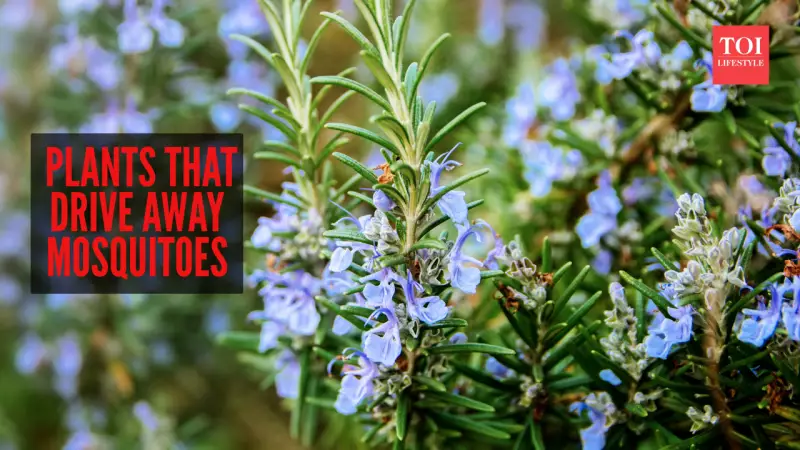
Rosemary's distinctive pine-like fragrance helps keep mosquitoes away, especially when warmed by sunlight. Growing rosemary in pots or garden beds provides steady release of protective aromatic oils. When leaves are crushed or lightly burned (such as on a grill), they emit compounds that discourage mosquitoes. This hardy herb also enhances your culinary creations.
Creating Your Natural Mosquito Defense System
Strategic placement of these plants around your home can significantly reduce mosquito presence. Combine different varieties near seating areas, entrances, and windows for maximum coverage. Regular maintenance, including occasional leaf brushing or crushing, enhances their effectiveness. These plants offer an environmentally friendly solution that beautifies your space while providing continuous protection against mosquitoes and other insects.