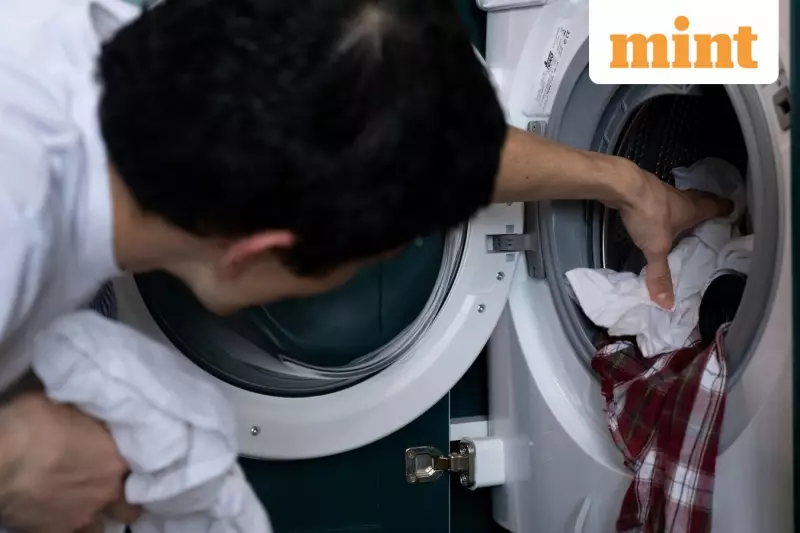
Few household frustrations match the annoyance of a washing machine that suddenly halts in the middle of its cycle. Your schedule is disrupted, and wet laundry sits trapped inside. However, before you panic and dial a technician, know that these mid-cycle stoppages are often not a sign of a major breakdown. Modern machines are designed with intelligent sensors that pause operation to prevent damage when they detect specific problems.
Top Common Culprits Behind the Sudden Stop
Overloading the drum is the single most frequent cause of a washing machine stopping unexpectedly. When you pack in too many heavy items like towels, jeans, or bedsheets, the load can become unbalanced as it absorbs water. The machine's sensors detect this dangerous imbalance and will pause the cycle to protect the motor from strain and prevent excessive vibration. The fix is often simple: open the door, remove a few items to redistribute the load evenly, and restart.
Another major offender is a blocked drain hose or pump filter. If the machine cannot drain water, it will not proceed to the rinse or spin stages. Lint, hair, coins, or small buttons can clog the system, causing water to remain in the drum. The washer stops to avoid pump damage or overflow. Regularly checking and cleaning the pump filter, and ensuring the drain hose is not kinked, can prevent this issue.

Decoding Signals and Electrical Glitches
Contemporary washing machines communicate through error codes or warning lights on their display. These codes are crucial clues, pointing directly to issues like water supply failure, drainage problems, or door lock faults. While they may seem cryptic, consulting your user manual can help you identify the specific problem and the required action, potentially saving you a service call.
Sometimes, the issue is with the machine's ability to start safely. A faulty door latch or lid switch will prevent operation, as the washer will not run unless it senses the door is securely locked. Dirt or wear can interfere with this mechanism. Cleaning the latch area might help, but a broken latch usually needs replacement.
Don't overlook your home's power supply. Power fluctuations, loose plugs, or tripped circuits can interrupt the cycle. A simple reset by unplugging the machine for a few minutes can sometimes clear minor electronic glitches in the control board. However, persistent electrical issues warrant professional attention.
When Is It Time to Call a Professional?
If the basic troubleshooting steps—like balancing the load, cleaning the filter, and checking power connections—do not resolve the stoppage, the problem may lie deeper. Internal component failures in the motor, pump, or main control board require specialised diagnostic tools and expertise.
As a rule of thumb, experts suggest evaluating the repair cost against your appliance's age. If the repair estimate exceeds half the price of a new washing machine, especially for an older model, investing in a new appliance might be the more economical and reliable long-term decision.