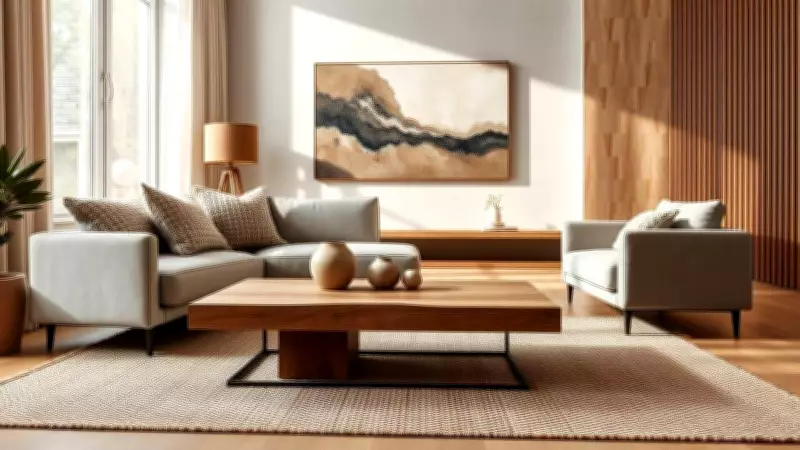
The Evolving Role of Texture in Contemporary Home Design
In today's interior design landscape, texture has emerged as a fundamental element that goes far beyond mere visual appeal, fundamentally shaping how we experience and inhabit our living spaces. According to Giulia Baima Bollone, Director of Embassy Interiors, this shift represents a deeper understanding of how environments affect us.
"Texture is not just about appearance, but about feeling," Bollone emphasizes. "When surfaces are layered with intention, they shape how a space is perceived and lived in."
Moving Beyond Isolated Design Features
The expert explains that contemporary home design has evolved significantly from simply adding individual textured elements. "It is no longer about adding one textured wall or accent piece," she clarifies. "It is about how materials work together to create depth and character."

This holistic approach involves carefully selected elements that complement each other to create cohesive, engaging interiors. Bollone identifies several key materials that contribute to this layered effect:
- Fluted panels that introduce rhythm and structure through their interaction with light and shadow
- Lime-wash walls that create softness through subtle tonal variations
- Raw stone that brings authenticity and a sense of permanence
- Bouclé fabrics that add comfort and warmth through their tactile qualities
The Specific Contributions of Different Textures
Each material brings unique qualities to interior spaces. "Fluted surfaces introduce rhythm and structure through light and shadow," Bollone notes. "They add interest without being overly decorative."
Regarding lime-wash walls, she explains their distinctive contribution: "Lime-wash creates softness through its subtle tonal variations. It diffuses light gently and adds quiet warmth to a room."
Natural materials play an equally crucial role. "Raw stone brings authenticity and a sense of permanence," Bollone elaborates. "Its imperfections connect the home to nature."
To balance stronger materials, she recommends incorporating tactile fabrics. "Bouclé adds comfort and warmth. It invites touch and makes a space feel more relaxed," she says.
The Emotional Dimension of Textural Design
For Bollone, the most significant aspect of texture lies in its emotional impact. "People respond instinctively to surfaces," she observes. "Texture influences mood, scale and comfort."
This emotional connection transforms how we experience our living environments. When executed thoughtfully, textured design creates spaces that resonate on multiple levels.
"When materials complement one another, they create homes that feel thoughtful, layered and meaningful," Bollone concludes, highlighting how intentional textural choices can transform ordinary spaces into emotionally rich environments that enhance daily living.