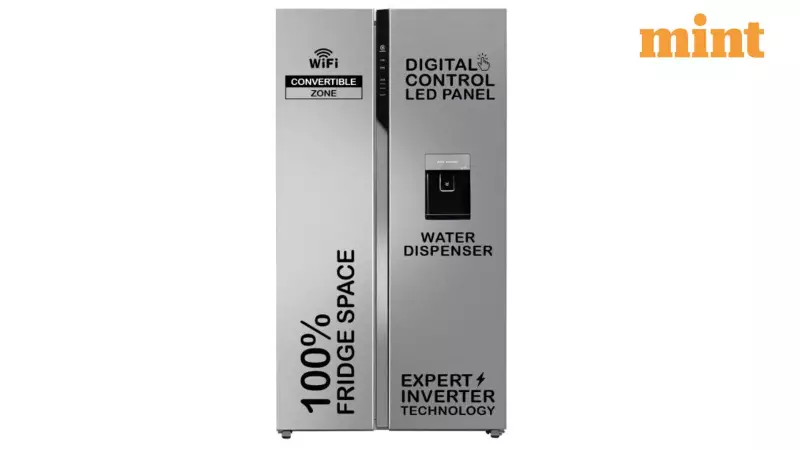
Side-by-side refrigerators have become increasingly popular in Indian households, offering generous storage capacity and convenient access to both fresh and frozen sections. However, many families struggle to utilise this appliance effectively, leading to wasted space and food spoilage. With the right organisation techniques, these refrigerators can become powerful tools for managing kitchen storage efficiently.
Essential Storage Zones for Maximum Efficiency
The foundation of an organised refrigerator begins with designating specific areas for different food categories. Fresh produce, dairy items, beverages, ready-to-cook ingredients and leftovers each require clearly assigned spaces. This systematic approach prevents random placement and ensures everything has its proper home, making grocery management significantly easier for busy families.
Strategic Shelf Organisation Techniques
Top shelves maintain the most consistent temperature, making them ideal for ready-to-eat items like leftovers, packaged foods, cooked dishes and beverages. Since these shelves are easily accessible, they're perfect for items you reach for frequently. Using transparent containers helps maintain visibility, ensuring nothing gets forgotten at the back. Consider labelling containers if you regularly store multiple similar items throughout the week.

Middle and lower shelves provide stronger support for heavier items. Bulkier containers, raw marinated ingredients and larger bowls belong on these sturdier surfaces. This placement minimises the risk of accidental spills from higher levels. Most modern side-by-side models feature adjustable shelving, allowing you to customise the height based on your shopping habits. If you frequently purchase tall bottles or jars, simply raising one shelf can create substantial additional space.
Mastering Crisper Drawers and Door Storage
Side-by-side refrigerators typically include two crisper drawers specifically designed for fruits and vegetables. Always separate these two categories since they require different humidity levels to maintain freshness. Most models feature humidity sliders that enable precise adjustments for delicate greens or firmer produce. Lining drawers with thin absorbent mats helps control moisture buildup and extends the life of your fresh produce.
Door compartments experience slight temperature variations, making them suitable for less perishable items. Condiments, sauces, spreads, juices and small jars remain stable in these areas. Arrange them by height or category to prevent tipping accidents. Consider transferring products from their original packaging into uniform bottles to save space and improve visibility. However, avoid storing milk or highly perishable dairy items in the door, as the middle shelf provides a more stable temperature environment.
Freezer Organisation for Optimal Space Utilisation
The vertical design of side-by-side freezer sections offers excellent opportunities for efficient storage. Freezer-safe bins, slim organisers and standing bags help maximise this vertical space effectively. Create designated zones for different frozen items—keep meats on one shelf, frozen vegetables on another and baked goods in a separate area. Regularly rotate items based on purchase dates, moving older products to the front to ensure they get used first.
For those who frequently freeze fresh vegetables, herbs or homemade snacks, flat freezing technique proves incredibly useful. Spread items on trays until frozen solid before transferring them to storage bags. This method prevents clumping and allows for neat stacking, ultimately saving significant freezer space over time.
Maintaining Your Organised Refrigerator System
A well-organised refrigerator requires consistent maintenance through simple but effective habits. Weekly cleaning and decluttering sessions prevent expired item buildup and provide clear visibility of what needs restocking. Immediately wiping spills maintains hygiene and prevents odour development.

Despite their generous capacity, overcrowding side-by-side refrigerators restricts airflow, compromising cooling efficiency and reducing shelf life for perishables. Leave small gaps between containers to support proper air circulation and maintain uniform temperatures throughout the unit.
Using transparent storage solutions enables instant identification of contents, reducing time spent searching and promoting mindful ingredient usage before expiration. Grouping items based on usage patterns—such as breakfast ingredients in one area and snacks in another—further streamlines kitchen operations and helps household members maintain the organisation system.