Ancient Temples in Tamil Nadu Get a Lift to Fight Flooding
Authorities in Tamil Nadu are taking extraordinary measures to protect centuries-old temples from monsoon floods. Instead of watching helplessly as water damages sacred structures, they are physically lifting entire temples to higher ground.
The Flooding Problem That Sparked Action
Every rainy season brings the same distressing scenes to several ancient temples. At the 800-year-old Sri Raviswarar temple in Vyasarpadi, grey water from nearby roads flows directly into the sanctum sanctorum. This intrusion disrupts daily rituals and threatens the temple's structural integrity.
The Sri Kalikambal temple in Mannady faces similar challenges. During heavy rains, sewer water routinely enters this important religious site. For years, temple authorities and devotees have watched helplessly as monsoon waters damaged these cultural treasures.

How Temple Lifting Actually Works
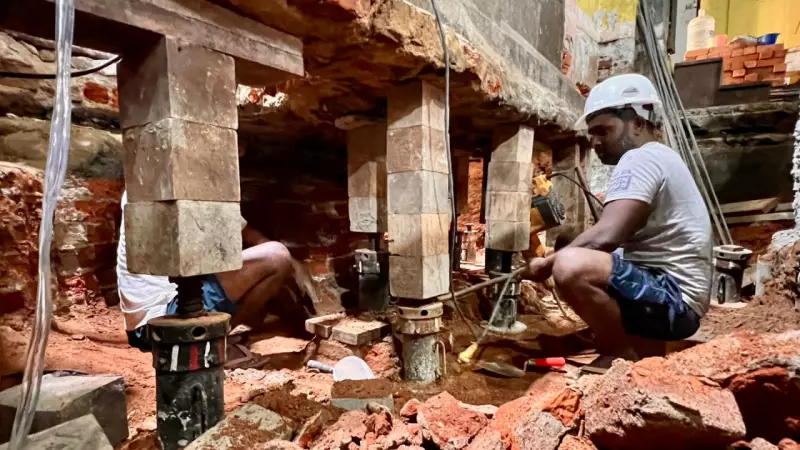
The solution involves remarkable engineering. Workers are lifting the Sri Kalikambal temple's five-tier Rajagopuram by four feet. At the Raviswarar temple, they're raising the sanctum sanctorum and mandapas by up to seven feet.
They accomplish this using controlled jacklifting technology. This method carefully elevates massive stone structures while maintaining their structural integrity. Most temples have walls three to five feet thick, constructed from stone and lime mortar. The lifting process respects these traditional building materials and techniques.
A State-Wide Initiative to Save Heritage
The Hindu Religious and Charitable Endowments department leads this ambitious project. HR&CE has appointed specialized contractors from northern states to perform structural lifting and foundation strengthening. Their work extends across 25 temples in Chennai and other districts.
A dedicated 10-member state-level committee oversees the approval process. This committee includes agama experts, sthapathis, Archaeological Survey of India officials, and structural engineers. They ensure every lifting project meets strict safety and heritage preservation standards.
Before any lifting begins, workers must clear at least five feet around each structure. This clearance provides necessary space for the delicate jacklifting operation.
Why Lifting Beats Demolition
Most temples needing elevation are decades or even centuries old. Urban development has created an unexpected problem. Repeated road relaying and surrounding construction have left many temples sitting below current road levels.
Elevation and foundation strengthening offer clear advantages over demolition. This approach prevents irreversible heritage loss while reducing costs significantly. Preserving these structures maintains cultural continuity for future generations.
Successful Projects Already Completed
The lifting initiative has already produced tangible results. Workers have completed elevation at 11 temples across Tamil Nadu. Nine of these are in Chennai, with one each in Chengalpet and Tirupur districts.
Completed projects in Chennai include several important temples:
- Arulmigu Somanathaswamy Temple in Kolathur
- Thiruvalleswarar Temple in Padi
- Varasiddhi Vinayakar Temple in Villivakkam
- Dharmaraja Draupadi Amman Temple in Komaleeswaranpet
These successful elevations demonstrate that ancient heritage and modern engineering can work together effectively. As monsoon seasons approach, these lifted temples now stand better prepared to withstand flooding while continuing their centuries-old religious functions.