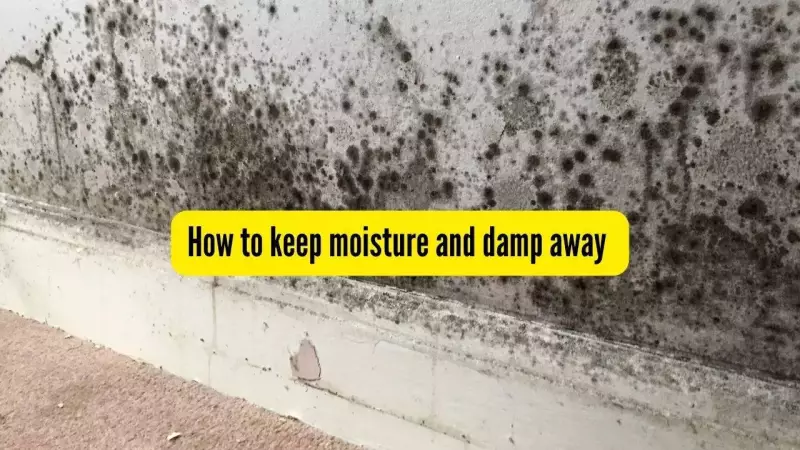
Comprehensive Guide to Combat Moisture and Dampness in Your Home
Moisture and dampness are common issues that can plague homes, especially in humid climates, leading to structural damage, mold growth, and health concerns. This guide provides detailed strategies to keep your walls and almirahs dry and well-maintained, ensuring a comfortable and healthy living environment.
Understanding the Causes of Moisture and Dampness
Before implementing solutions, it's crucial to identify the root causes of moisture problems. Common sources include:
- High Humidity Levels: Climatic conditions or poor ventilation can trap moisture indoors.
- Water Leaks: From plumbing, roofs, or windows that seep into walls and furniture.
- Condensation: Occurs when warm, moist air contacts cooler surfaces, such as walls or almirahs.
- Poor Drainage: Around the home's foundation, leading to water accumulation and seepage.
By addressing these factors, you can effectively prevent dampness and protect your home's integrity.

Practical Tips for Walls
Walls are particularly vulnerable to moisture, which can cause peeling paint, stains, and mold. Here are actionable steps to safeguard them:
- Improve Ventilation: Ensure proper airflow by using exhaust fans in kitchens and bathrooms, and open windows regularly to reduce humidity.
- Use Dehumidifiers: In areas prone to high moisture, dehumidifiers can extract excess water from the air, keeping walls dry.
- Apply Waterproof Paints and Sealants: Opt for moisture-resistant paints and seal cracks or gaps in walls to prevent water ingress.
- Regular Inspections: Check for leaks or damp spots periodically, especially after heavy rains, and repair them promptly.
These measures not only prevent damage but also enhance the aesthetic appeal of your home.
Effective Methods for Almirahs
Almirahs, often made of wood, are susceptible to dampness, which can lead to warping, mold, and unpleasant odors. Follow these tips to keep them in top condition:
- Maintain Air Circulation: Avoid placing almirahs against damp walls or in corners with poor airflow. Leave space around them for ventilation.
- Use Moisture Absorbers: Place silica gel packets, activated charcoal, or commercial dehumidifiers inside almirahs to absorb excess moisture.
- Clean and Dry Regularly: Wipe down almirahs with a dry cloth and ensure stored items are completely dry to prevent moisture buildup.
- Apply Protective Coatings: Use varnishes or polishes that offer moisture resistance, and consider lining shelves with moisture-proof materials.
By adopting these practices, you can extend the lifespan of your furniture and keep belongings safe from damp-related damage.
Additional Preventive Measures
Beyond walls and almirahs, holistic approaches can further reduce moisture in your home:
- Control Indoor Humidity: Aim to keep indoor humidity levels between 30% and 50% using hygrometers to monitor and adjust as needed.
- Landscaping Adjustments: Ensure proper grading around your home to direct water away from the foundation, reducing seepage risks.
- Use Exhaust Systems: Install and maintain exhaust fans in moisture-prone areas like bathrooms and laundry rooms to expel humid air.
- Regular Maintenance: Schedule routine checks for plumbing, roofing, and drainage systems to catch and fix issues early.
Implementing these strategies can create a drier, healthier home environment, preventing costly repairs and health hazards associated with dampness.
Conclusion
Preventing moisture and dampness requires a proactive approach, combining ventilation, maintenance, and protective measures. By following the tips outlined for walls and almirahs, you can safeguard your home from damage, improve air quality, and ensure a comfortable living space. Stay vigilant and address moisture issues promptly to enjoy a well-maintained and healthy home.