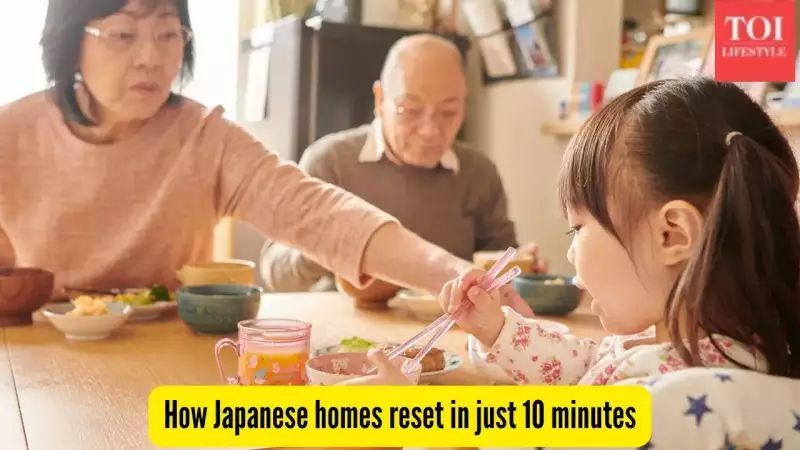
In Japan, a clean home is not a weekend project but a daily ritual rooted in discipline and philosophy. The nation's renowned cleanliness begins not on the streets but within the household, guided by a simple yet powerful principle: a 10-minute daily reset. This micro-habit prevents mess from accumulating, transforming upkeep from a chore into a seamless part of life that fosters mental peace.
The Philosophy Behind the 10-Minute Rule
For Japanese families, cleaning is a proactive habit, not a reactive task. The core idea is to clean before things get dirty. This ten-minute window each day is dedicated to resetting the living space—wiping surfaces, returning items to their designated spots, and tidying floors. Because it's brief and consistent, it never feels like a tedious burden, yet it ensures the entire home feels orderly and serene.
A fundamental tenet of this system is the absence of "temporary storage." Every object in the home must have a predefined place. If something new enters, a space is created for it first. If there's no space, the item does not stay. This eliminates clutter at its source, making the daily reset swift and effortless.

Key Habits That Make the System Work
Cleaning in Japan is seamlessly woven into the natural flow of the day, not treated as a separate event. Tables are wiped immediately after meals, and bathtubs are cleaned right after use. These actions, taken at natural pauses, don't register as extra work. Consequently, homes rarely reach a state that demands deep, intensive cleaning sessions.
The entryway, or genkan, is treated as a psychological gateway. It acts as a control center where shoes are aligned, bags are emptied, and jackets are hung properly. This practice ensures the home makes a positive and inviting first impression every single day.
Design and Mindset: The Pillars of Easy Maintenance
Minimalism is a key ally. Fewer possessions mean fewer decisions and faster resets. Many Japanese homes practice seasonal rotation, storing away extra cushions, decor, or appliances when not in use. This intentional curation of belongings makes the ten-minute goal easily achievable.
Home design supports this lifestyle. Hidden storage solutions like under-floor compartments, vertical shelving, and sliding cabinets are prioritized. The philosophy is to "make clutter disappear," which directly contributes to a calmer state of mind and simpler cleaning.
Floors hold a sacred status, as people often sit, eat, or sleep on them. They are seen as spaces of reunion and good fortune. This respect translates into a habit of keeping floors impeccably clean, often with just a quick sweep, as nothing is left lying around to obstruct movement.
The tools used are simple, lightweight, and kept easily accessible—be it brooms, wipes, or squeegees. Because the tools are visible and handy, cleaning never feels like a daunting barrier.
A Collective Effort for Collective Calm
The daily reset is a shared responsibility. Even young children participate, learning life skills by being accountable for their own belongings. When everyone resets their own items, the ten-minute routine becomes a manageable, unified effort.
Ultimately, the goal is not aesthetic perfection but emotional calm. This ritual is about mental peace and reducing stress. A clutter-free environment directly contributes to a clutter-free mind. Japanese homes stay tidy not out of a love for cleaning, but as a reflection of discipline, shared responsibility, and the pursuit of daily serenity. Adopting even a few of these principles can work magic, transforming the feel of any home.