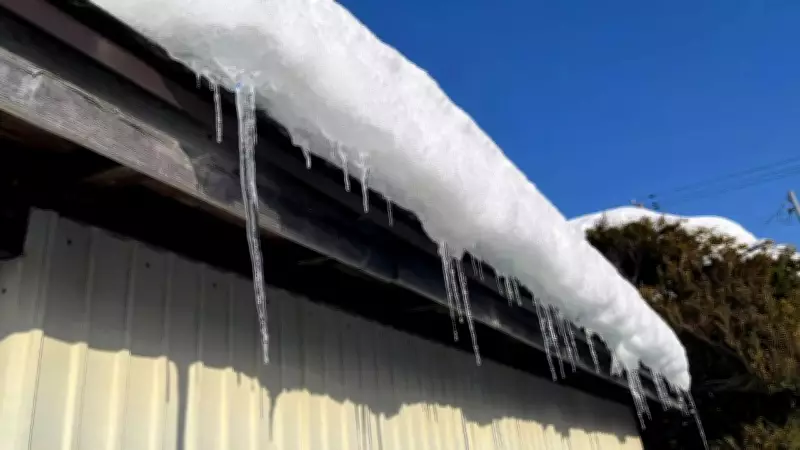
Ice Dams: The Silent Winter Menace for Homeowners
While a snow-covered roof creates a picturesque winter scene, this beauty often masks a serious structural threat. When snow melts unevenly due to temperature variations, ice can accumulate at roof edges, creating dams that trap water behind them. This trapped water doesn't remain outdoors—it gradually infiltrates beneath shingles, penetrates insulation layers, and eventually reaches ceilings and interior walls.
The Science Behind Ice Dam Formation
Ice dams occur primarily due to uneven roof temperatures. Warm air escaping from inadequately insulated attics melts snow near the roof's peak, while the eaves remain frozen. As this meltwater flows downward, it refreezes along gutters and edges, gradually forming ridges and icicles. Homes with insufficient insulation or poor ventilation systems are particularly vulnerable. Even minor heat leaks from lighting fixtures, electrical wiring, or attic access points can accelerate this problematic process.
Early Warning Signs Often Overlooked
Not all ice-related issues manifest immediately. Homeowners should remain vigilant for these subtle indicators:

- Icicles appearing earlier in the season than usual
- Frost accumulation or water stains near exterior walls
- Shingles that appear slightly curled or lifted at their edges
- Ice formation around downspouts and ventilation outlets
Identifying these signs promptly allows for preventive action before water causes substantial structural damage.
Safe Ice Removal Techniques
If ice dams have already formed, exercise extreme caution during removal:
- Utilize roof rakes from ground level—avoid climbing onto slippery roofs
- Create small drainage channels in ice using warm water on sunny days
- For persistent ice accumulation, hire professional services—steam treatment requires expertise
- Avoid sharp implements or chemical solutions that could damage roofing materials
In regions with heavy snowfall, consider installing gutter guards or heating cables along roof edges as preventive measures.
Proactive Prevention Strategies
Preventing ice dam formation proves more effective and economical than subsequent repairs. Implement these measures:
- Seal all attic access points, lighting fixtures, and wiring penetrations
- Enhance insulation to maintain consistent roof temperatures
- Ensure proper ventilation through ridge and soffit systems
- Maintain clean gutters and downspouts throughout winter
- Install snow guards or roof de-icing cables in high-snowfall areas
While each measure offers individual benefits, their combined implementation significantly reduces ice dam likelihood.
Small leaks that seem insignificant today can evolve into serious problems tomorrow—including wood rot, mold growth, and gutter system damage. Although removing existing ice dams remains possible, the process involves risk, mess, and considerable expense. Most building experts emphasize that prevention represents the wisest approach for homeowners. Understanding ice formation mechanics and recognizing early symptoms can prevent both financial strain and structural headaches.
Ice dams constitute winter's quiet challenge for residential properties. By addressing insulation quality, ventilation efficiency, gutter maintenance, and early warning signs, homeowners can mitigate most ice-related issues. With proper precautions, outdoor snow can retain its aesthetic appeal without transforming into indoor disasters.