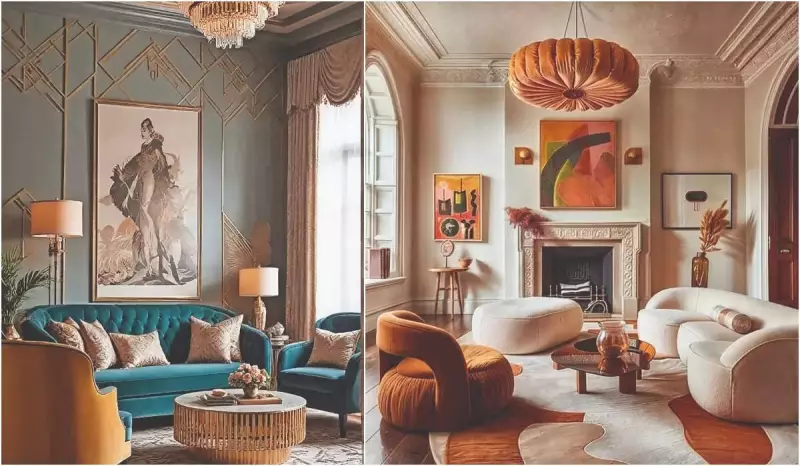
The painting that captures a quiet morning, the sculpture that sparks a conversation, or the print that stirs a memory – the art we bring into our homes serves a purpose far greater than merely covering empty walls. It acts as a silent narrator of our lives, revealing our personalities and shaping the very essence of how we live. Moving beyond aesthetics, the right piece of artwork has the profound power to elevate a space from the mundane to the emotionally resonant.
The Unspoken Language of Personal Spaces
Interior designer Namrata Saigal emphasizes that every design decision contributes to a home's unique story. "Whether it leans towards modern minimalism, timeless vintage charm, or an eclectic blend of influences, every design choice tells a story," she states. She explains that colours, materials, furniture, and lighting combine to form an unspoken language that reflects the inhabitant's identity. Industry professionals concur that art functions as a vital visual language, injecting depth, character, and a strong sense of individuality into any room. It anchors emotion within the physical structure, transforming a house from a beautiful shell into an unmistakably personal home.
Choosing Art with Heart, Not Just for Trends
For artist Anoop Srivastava, the primary criterion for selecting art should be an emotional connection, not its price tag. "Art should first and foremost be chosen for its emotional resonance," he advises. He believes that when a piece genuinely connects with the owner, it naturally evolves into a wise investment with significant potential for future value. Srivastava strongly advocates for art that expresses the owner's individuality over fleeting design fads. "Art should always be selected for its aesthetic appeal and personal connection, not merely to follow trends," he insists. He adds a poignant note in today's digital age: "In an age where AI-generated paintings are readily available, choosing original art becomes even more meaningful. Only a human creation can truly reach the depths of your heart and touch your soul."

Why Your Art Should Speak, Not Just Match
Aryaman Sethi, Managing Director of the AnYahh art gallery, points out a common pitfall. "There's a common misconception that art must match the décor, leading many to pick pieces that complement furniture or wall colours rather than resonate emotionally," he observes. He notes that clients often request 'modern art' without fully grasping the term, sometimes selecting works like Anand Dabli's subtle bird's-eye cityscapes solely because the colour tones suit their interior palette. Experts encourage homeowners to embrace diversity in their art collections instead of seeking a uniform look. "If you're investing in art, each piece should have its own character and create a visual dialogue within the space," Aryaman explains. "When it merely merges with the décor, it loses its individuality. The most striking and authentic displays often come from contrast, not conformity."
Balancing Colour Palettes and Artistic Expression
When integrating art, experts recommend considering the narrative and mood you wish to establish in a room. Namrata Saigal suggests that colour coordination between the artwork and the room's palette often helps unify furniture, lighting, and the overall design. A well-chosen piece can blend seamlessly, fostering harmony. However, she also champions bold choices. "Sometimes the most striking interiors are those that dare to break the rules. A bold painting or an unexpected sculpture can introduce contrast, giving a space its own pulse," she says. The crucial element, according to her, is intention—allowing art to either complement or deliberately disrupt the setting to create captivating visual intrigue.
Essential Guidance for First-Time Art Buyers
Art gallerist Aryaman Sethi provides practical advice for those beginning their collecting journey:

- Follow Your Instincts: Purchase what pleases your eye and evokes feeling. If a piece speaks to you immediately, it belongs in your home.
- Don't Chase Big Names: Emerging artists frequently create works rich in genuine emotion and long-term value.
- Start Small: Begin your collection with limited-edition prints or smaller works by established artists.
- Buy for Yourself: Disregard temporary trends or external opinions. The art you live with should be a reflection of you and uplift your spirit daily.
In essence, as Aryaman Sethi concludes, "Art isn't just aesthetic; it's emotional. The right piece should calm the space, uplift the mood, and reflect the person who lives within it." This philosophy turns a house into a true home, curated not just for show, but for the soul.