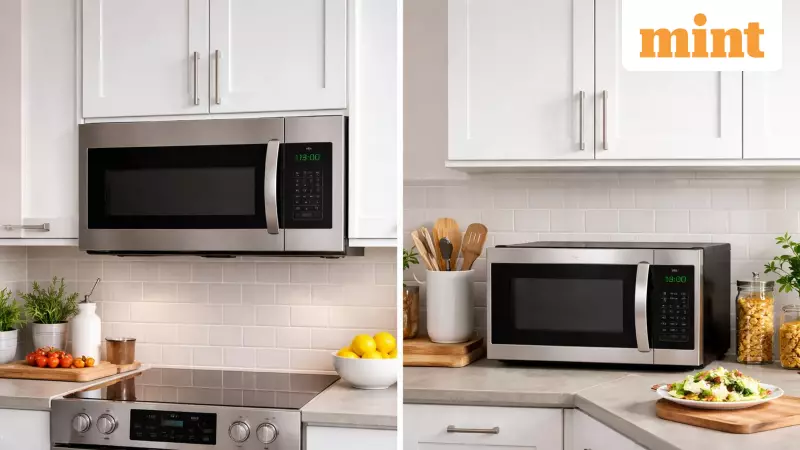
In the modern Indian home, the microwave oven has transformed from a simple reheating gadget to an indispensable cooking companion. Its role has expanded to include everyday meal prep, quick snacks, and even baking. As kitchen designs evolve and space becomes a premium, the question of where to place this essential appliance has gained significant importance. The debate often boils down to one key decision: should you opt for a freestanding countertop model or invest in a sleek built-in unit? The answer impacts your kitchen's look, functionality, and budget.
The Core Difference: Installation and Kitchen Integration
Understanding the fundamental design of each type is the first step. A built-in microwave is specifically engineered to be installed within your kitchen cabinetry or a wall. Common placements include above a wall oven or as a convenient slide-out drawer in a lower cabinet, which is excellent for handling heavier dishes safely. This option is a favourite for those prioritising a seamless, customised look and maximising every inch of available space.
In contrast, a countertop microwave is a standalone unit. It requires no special fitting—just a flat surface and a power outlet. This makes it the go-to choice for renters, students, or anyone who values flexibility and easy relocation. The market offers a vast array of sizes and styles, from compact models for studio apartments to larger family-sized units.

Key Factors to Consider Before You Buy
Choosing between the two styles involves weighing several practical aspects that affect your daily life and long-term plans.
Space and Installation Requirements: This is the most significant divider. Installing a built-in microwave demands precise cabinet measurements and often professional help. Ventilation needs must also be factored into the design plan. Countertop models win on simplicity—they are truly plug-and-play. However, their main drawback is claiming valuable counter real estate, which can be a critical issue in smaller Indian kitchens.
Cost and Maintenance Realities: Your budget plays a crucial role. Countertop microwaves are generally more affordable upfront and far easier to replace if they malfunction. Built-in units involve higher initial costs due to custom cabinetry work and installation fees. Furthermore, if repairs are needed, servicing a built-in model can be more complex and expensive, as it may require dismantling parts of the cabinet framework.
Design and Aesthetic Appeal: For a streamlined, high-end kitchen aesthetic, built-in microwaves are unmatched. They integrate flawlessly with other appliances, contributing to a clean, uncluttered, and modern look—a top priority in renovated or custom-designed kitchens. While many countertop models are stylish, they remain a visible appliance on the counter, which might not align with a minimalist design theme.
Making the Final Choice for Your Home
So, which one suits your lifestyle? The decision matrix is clear.
Choose a Countertop Microwave if: You are renting your home, have a compact kitchen, desire maximum flexibility, or have a limited budget. It's the perfect solution for easy installation, portability, and a wide selection of features without permanent commitment.
Choose a Built-In Microwave if: You are a homeowner undertaking a renovation or building a new kitchen, where a sleek, integrated look is a priority. It is ideal for saving precious counter space and creating a permanent, upscale appliance setup. Some built-in models also combine functions, like serving as an over-the-range unit with built-in ventilation.
Ultimately, your choice between a built-in and a countertop microwave hinges on your available space, financial plan, and long-term vision for your kitchen. By carefully considering these factors, you can select an appliance that not only cooks your food efficiently but also enhances your kitchen's functionality and style for years to come.