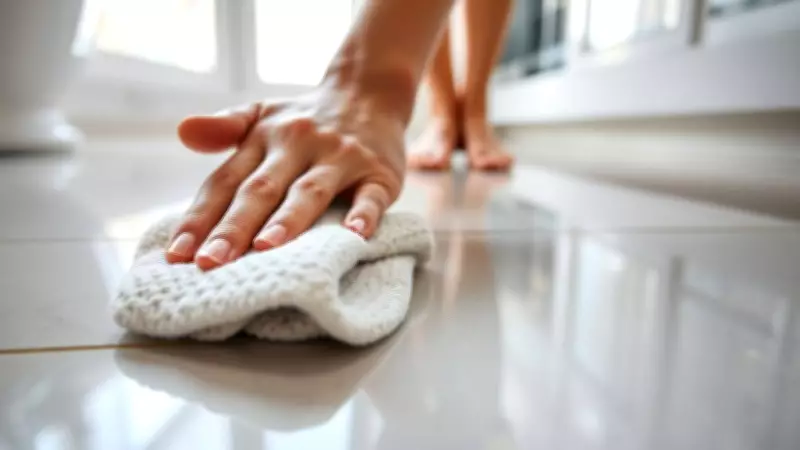
The Hidden Culprit Behind Dull Bathroom Tiles
Homeowners invest significant effort and money in selecting perfect tiles to transform their bathrooms into private sanctuaries. Whether opting for an elegantly shiny marble finish or a classic ceramic glazing, the initial impression is one of pristine cleanliness. However, after months of daily use, even meticulous cleaning often fails to maintain the sparkling freshness of these tiles. Instead, they become cloudy and dull, a phenomenon commonly mistaken for dirt accumulation.
The Science of Soap Film Formation
In reality, the dullness is frequently caused by an invisible coating from oils in luxury bathroom products. Each application of body wash or rinse of creamy conditioner leaves behind tiny residues of oils and surfactants. These substances are not merely aesthetic concerns; they form a lubricating biofilm that gradually alters the tile surface composition. Over time, this buildup creates a film that obscures the tile's natural shine, making it appear lackluster.
Chemical Hazards of Bath Soaps on Tile Floors
It may be surprising, but the very ingredients that benefit skin health in body washes also contribute to tile appearance issues. Bath soaps typically contain non-emulsified oils for skin nourishment and surfactants for lathering. While beneficial for skincare, these compounds act as lubricants, coating the floor and reducing traction between feet and the surface.

A groundbreaking study published in The Open Dermatology Journal investigates the interaction between hygiene and hazard. Researchers found that soap films can drastically lower the coefficient of friction on bathroom floors. This film-covered surface has reduced traction compared to dry tiles, highlighting that many bathroom accidents stem from bath product chemistry rather than water alone.
Restoring Shine with Professional Tile Maintenance
If you notice diminished shine on your floor tiles, standard cleaning products often fail to break the bonds of oil-based surfactant molecules. To restore original luster, it is essential to disrupt the film's chemical composition. Recent advancements in surface science offer solutions. A study titled Effect of coating on cleanability of glazed surfaces examined how specialized treatments can prevent buildup. Tiles with smoother glazes, such as those incorporating titanium dioxide or zirconia, show greater resistance to oil adhesion.
With cutting-edge coatings, manufacturers can design hydrophilic surfaces where water spreads evenly, cleaning residues without beading. For homeowners, this research underscores the importance of using appropriate tools. Soft non-abrasive brushes combined with surfactant neutralizers can effectively remove the invisible film layer, revealing the pristine gloss beneath.
Everyday Tips for Maintaining Bathroom Glossiness
Preventing the dreaded "tile haze" involves simple yet effective practices. Immediately after showering, rinse tiles with warm water to dissolve oily residues quickly. For thick, viscous bath products, running a squeegee across the floor can prevent new film formation. A thorough cleaning with a vinegar and water mixture may help balance alkaline soaps, but ensure your tiles are not acid-sensitive first.
Understanding that dullness results from chemical accumulation rather than dirt eliminates the need for excessive scrubbing. Instead, opt for gentle alternatives to rejuvenate your bathroom's spa-like ambiance. By adopting these strategies, you can preserve the aesthetic appeal and safety of your tile surfaces for years to come.