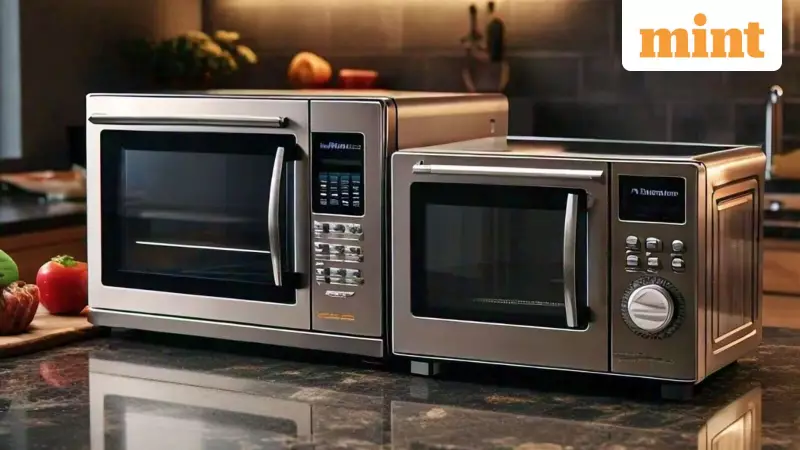
For most Indian households, the microwave is a kitchen workhorse, reheating last night's curry, warming milk for chai, or quickly cooking a snack. When spills and splatters happen, which they inevitably do, our reaction is often a hasty wipe-down. It seems like a simple chore that doesn't require much thought. However, these rushed cleaning routines often involve common habits that, over time, can quietly damage your appliance, compromise hygiene, and even create safety hazards.
The Hidden Dangers of Quick Fixes
Reaching for a strong chemical spray, using too much water, or scrubbing aggressively might solve the immediate mess, but these actions have long-term consequences. Harsh chemicals can leave behind residues that mix with food vapours, rough scrubbing creates microscopic scratches that trap grease, and excess moisture can seep into electrical components. Understanding what not to do is the first step towards smarter, safer maintenance that protects your investment.
1. The Peril of Cleaning While Plugged In
In the rush to clean up a spilt dal or curry before guests arrive, unplugging the microwave feels like an unnecessary delay. Yet, this is a critical safety oversight. Cleaning always involves moisture, and a damp cloth near a live electrical appliance poses a real risk of shock or short-circuiting. Taking just two seconds to unplug the unit completely eliminates this danger, making the entire process safer for you and the appliance.

2. Overusing Strong Chemical Cleaners
When faced with stubborn stains from reheated sabzi or baked-on grime, the instinct is to grab the most powerful cleaner available. This is a mistake. Harsh chemicals like bleach or strong acids can degrade the interior's glossy surface, making it dull and more prone to staining. More importantly, they leave behind invisible chemical residues. These residues can then vaporise during future cooking cycles, potentially contaminating your food. A mild dish soap solution is almost always sufficient and far safer.
3. Aggressive Scrubbing with Abrasive Tools
Steel wool, rough scrub pads, or even harsh side of a sponge seem effective against tough grease. However, they scratch the interior surface. These tiny grooves become perfect hiding spots for oil and food particles, causing the microwave to get dirty faster and making future cleaning even harder. Patience with a soft microfiber cloth or sponge is a smarter approach that preserves the smooth interior.
4. Drenching the Interior with Water
It's easy to believe that a wetter cloth cleans better. In reality, excessive water is an enemy to your microwave's longevity. Water can trickle into ventilation slots, control panels, or other openings, leading to internal rust, corrosion, or electrical malfunctions that may not appear until weeks later. A cloth that is thoroughly wrung out provides ample moisture for cleaning without the risk.
5. Spraying Cleaner Directly Inside the Cavity
The convenience of spraying cleaner straight onto the walls is undeniable. But this practice allows liquid to pool in seams, corners, and around the turntable ring—areas that are difficult to wipe dry. This trapped moisture promotes mould growth and can damage internal parts. The correct method is to spray the cleaner onto your cloth first, then wipe, giving you full control over where the moisture goes.
6. Misusing "Natural" Cleaners Like Vinegar or Lemon
While natural, undiluted vinegar or lemon juice is highly acidic. Regular use can gradually erode the protective finish of the microwave's interior and degrade the rubber door seals. If you prefer natural cleaners, always dilute them with water (a 1:1 ratio is good) and use them sparingly, followed by a wipe with plain water to remove any acidic residue.
7. Ignoring Persistent Odours
If a funky smell lingers after you've cleaned, it's a sign that organic matter or moisture is still present somewhere. Simply closing the door and hoping it goes away won't work. For stubborn odours from spices or fermented foods, place a bowl of baking soda inside the microwave overnight to absorb the smell, or re-clean focusing on the door seals and ceiling, which are often missed.

8. Attempting to Open and Clean Internal Parts
Driven by curiosity or a desire for a deep clean, some may consider removing the back panel or light cover. This is extremely dangerous. Microwaves contain high-voltage capacitors that can store a lethal electrical charge even when unplugged. Any internal maintenance, including cleaning, must be performed only by a qualified technician.
Smart Maintenance for a Longer Lifespan
By avoiding these eight common errors, you transition from reactive cleaning to proactive care. The goal is not just a spotless interior today, but ensuring your microwave remains hygienic, efficient, and safe for years to come. Simple changes in habit, like unplugging before wiping, choosing gentle cleaners, and avoiding excess water, make a significant difference. Treat your microwave with the same thoughtful care you give other major appliances, and it will reliably serve your family's needs through countless meals.