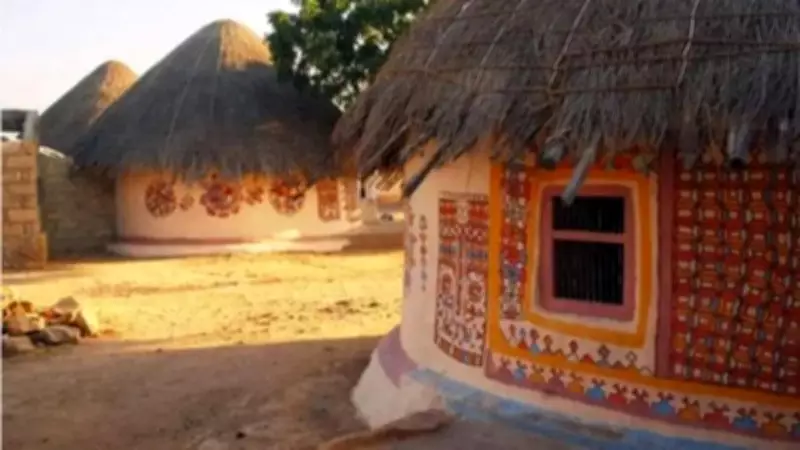
In the absence of artificial air conditioners and other cooling technologies in India, people found many natural ways to combat extreme heat. Several of these old-school cooling techniques involved effective management of airflow, provision of shade, usage of natural elements, and water-based cooling ideas. Quite intriguingly, many of these concepts have come back into vogue nowadays as people seek energy-efficient cooling solutions. From clay pot cooling to khus screens and courtyard-style ventilation plans, traditional Indian cooling systems are still relevant today. There are at least six such techniques used to keep homes cool during summers.
Matka Water Cooling – The Traditional Indian Fridge
The old practice of storing drinking water in clay pots, also known as matkas, is among the most ancient Indian cooling systems. This simple method cools water by allowing it to evaporate slowly from the porous nature of the material. Drinking matka water provides a unique taste and makes people feel refreshed during intense summer heat. Also, this age-old tradition reduces dependence on refrigerators to some extent.
Khus Screens Cooling Air Naturally
During summer seasons, khus screens made of vetiver grass roots were hung close to windows and doors. As these screens were watered constantly, passing air through them resulted in a natural evaporation process. Thus, cooled air circulated inside the room. Before air coolers were common in Indian homes, many families used khus screens due to the added advantage of a mild earthy smell.

Courtyard Homes Helped Improve Airflow
Many ancient houses in India were built with courtyards in the middle. This helped in better airflow as well as regulation of temperature levels in each corner of the house. Such architectural designs helped in letting out heat that rose towards the ceiling. Thus, the air that circulated in the remaining parts of the home remained comparatively cooler. In many tropical areas, such homes continue to be constructed even today.
Lime Coating Helps Reduce Indoor Temperatures
Instead of modern paint colors, ancient Indians often whitewashed their ceilings and walls during the summer season. Lime effectively reflects sunlight, unlike darker colors. It also reduces the amount of heat absorbed by the building. Therefore, the white roofs of ancient homes remained relatively cooler than other colored options. To this day, many people use lime coatings to reduce heat in homes.
Bamboo/Cane Furniture Helped in Lowering Temperatures
While constructing homes, Indians traditionally preferred to use bamboo, cane, or wood-based furnishings rather than synthetic materials. Since natural materials do not absorb much heat, they help in better airflow through the space. Charpais, cane furniture pieces, and bamboo-based window panes were quite popular as they were comfortable to use and offered better circulation during summer seasons.
Plants and Verandas Reduce Heat Naturally
Indians always used verandas and plants as cooling agents to reduce direct sunlight exposure in indoor living spaces. Tulsi plants, creepers, and trees help reduce heat in nearby areas naturally. Besides, verandas were ideal spots to relax in summer seasons before the advent of mechanical air conditioning units. Terrace gardening and balcony plants have recently become popular again.
Disclaimer: This article is for general informational and cultural awareness purposes only. The effectiveness of traditional cooling methods may vary depending on climate, humidity levels, building structure, ventilation, and local environmental conditions. These practices are not intended to replace medically necessary cooling systems or professional solutions during extreme heat conditions. Readers are advised to follow official weather advisories and consult qualified architects, home experts, or healthcare professionals for heat-related safety and home improvement guidance.