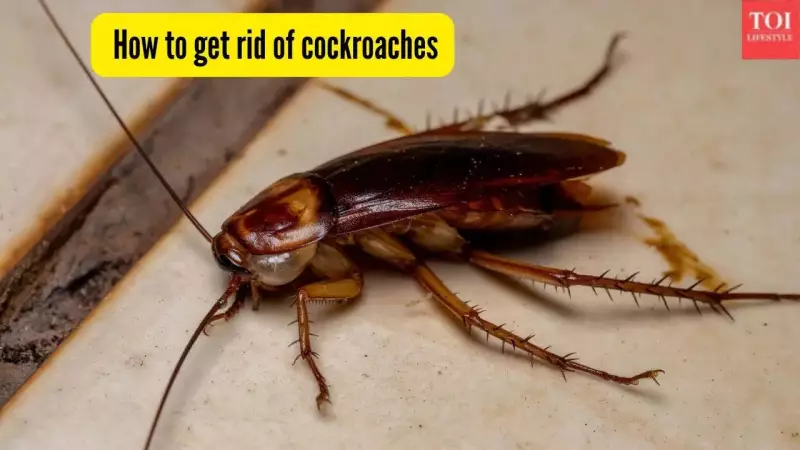
For countless homemakers across India, few household nuisances are as persistent and unsettling as the common cockroach. More than just an unwelcome sight, these resilient pests pose a genuine threat to health and hygiene. They are carriers of disease-causing bacteria, potential triggers for allergies, and notorious for contaminating food supplies. The warm, moist, and crumb-filled environment of a typical kitchen offers the perfect breeding ground, allowing infestations to spread rapidly. Tackling this problem effectively requires a dual approach of smart prevention and active elimination. If you're battling a roach invasion, here are five proven strategies to reclaim your kitchen.
Maintain Impeccable Kitchen Hygiene
The first and most crucial line of defence is cleanliness. Cockroaches are scavengers drawn to food residue, grease, spills, and moisture. A rigorous hygiene routine is non-negotiable for prevention. Make it a habit to wipe down countertops, stovetops, and dining areas every night. Never leave dirty dishes in the sink overnight. Pay special attention to areas near sinks and drains, ensuring they are kept as dry as possible. Promptly fix any leaking faucets or pipes. Store all food, including pet food, in airtight containers or the refrigerator. Most importantly, empty your kitchen trash bin every single night to remove a primary food source.
Deploy Natural Repellents and Essential Oils
For those seeking a safer, chemical-free approach, natural repellents can be highly effective. Cockroaches rely heavily on their sense of smell, and certain strong fragrances disrupt their navigation and deter them. Essential oils like peppermint, eucalyptus, citronella, and tea tree oil act as powerful natural repellents. Create a simple spray by mixing a few drops of these oils with water and a little dish soap. Spray this solution around potential entry points, behind appliances, in corners, and near drains before bedtime. Reapply regularly to maintain the scent barrier.

Create Effective Homemade Baits
This is a classic, tried-and-tested method for elimination. You can prepare a potent bait by mixing equal parts of boric acid or baking soda with a sweet attractant like sugar or powdered jaggery. The sugar lures the roaches in, and once ingested, the boric acid or baking soda disrupts their digestive systems and exoskeletons, proving fatal. Sprinkle this powder lightly in hidden hotspots such as behind the refrigerator, under the sink, in cabinet corners, and along skirting boards. The true power of this method lies in its domino effect; roaches often carry the bait back to their nests, potentially eliminating entire colonies. Exercise extreme caution and keep this mixture away from children and pets.
Use Diatomaceous Earth (DE) in Key Areas
Diatomaceous Earth is a fine, non-toxic powder made from fossilised algae. It works through physical rather than chemical means. When cockroaches walk through the lightly sprinkled powder, the microscopic, sharp particles stick to their bodies and gradually absorb the oils and fats from their exoskeleton, leading to fatal dehydration. Lightly dust DE in areas where roaches frequent—under appliances, inside cabinets, and along walls. It is safe to use around the home, though it's advisable to avoid creating large clouds of dust that could be inhaled.
Seal Entry Points and Eliminate Clutter
Prevention is as important as the kill. Cockroaches can squeeze through astonishingly small cracks and gaps. Conduct a thorough inspection of your kitchen and adjoining areas. Seal cracks in walls, gaps around pipes, and spaces under doors using caulk or steel wool. Ensure window screens are intact and drain covers are in place. Reduce clutter, such as old newspapers, cardboard boxes, and unused bags, which provide ideal hiding spots. Keep trash bins tightly sealed at all times. By making your home less accessible and hospitable, you break the cycle of infestation.

Winning the war against kitchen cockroaches demands consistency and a combination of tactics. By integrating these methods—maintaining strict cleanliness, using natural deterrents, setting effective baits, applying desiccants like DE, and sealing off entries—you can protect your home from these dangerous pests and enjoy a cleaner, healthier living space.