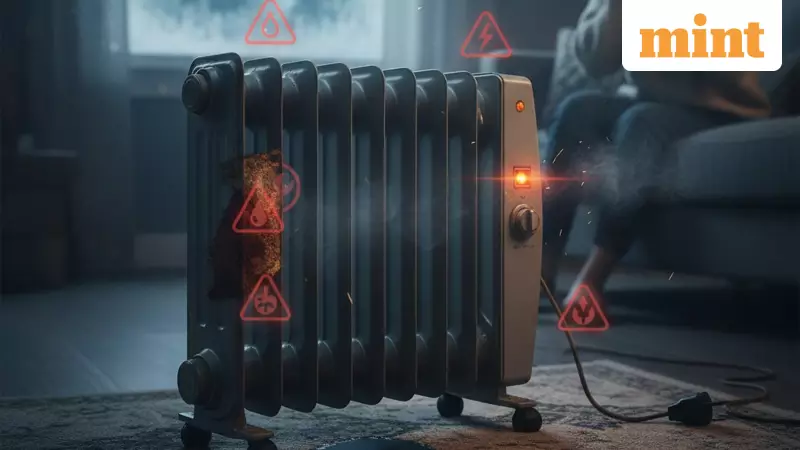
As winter tightens its grip across India, the trusty oil filled radiator becomes a household's best friend. Known for their silent operation and consistent warmth, these devices are often taken for granted. However, neglecting their annual service can lead to a drop in performance, higher electricity bills, and even potential safety hazards. A simple check-up can be the difference between a cozy winter and a very cold, problematic morning.
Key Signs Your Oil Filled Radiator Needs Attention
Sign 1: It’s taking way longer to heat up
Do you remember when your heater warmed the room faster than your tea could cool? If it now seems sluggish, it's a clear signal that something is wrong. This slow heating is often caused by dust-packed fins, a thermostat that is no longer accurate, or sediment building up inside the unit. These problems force your heater to consume more power for the same level of warmth. A professional service can clean the internals and restore that efficient, steady heat you rely on.
Sign 2: Unusual noises or odours
A healthy oil filled radiator operates in near silence. If you start hearing strange clicks, rattles, or other odd sounds, it indicates that internal components may have become loose. A burning smell is an even more serious warning. This could mean dirt is trapped and heating up on the fins, or worse, an electrical fault is developing. It is always better to investigate these signs immediately rather than wait for a complete breakdown or a safety incident.

Serious Performance and Safety Red Flags
Sign 3: Inconsistent or weak heating
Is one corner of your room warm while the other remains freezing? This uneven heating means your OFR is struggling to do its job. You might notice that some fins stay cold or the unit turns on and off in a confused pattern. This typically points to a failing thermostat or air channels blocked by dust and debris. A weak internal fan can also be the culprit. A thorough service will clear these blockages and help your heater distribute heat evenly again.
Sign 4: Visible damage or leaks
This is a non-negotiable warning sign. If you see oil spots on the floor beneath your heater, you must act immediately. Any leak means the internal seal has broken or the casing is damaged. The first step is to switch off the heater at the power outlet right away. Corrosion, dents, or cracks on the body also require a professional inspection. Remember, oil leakage is not a do-it-yourself fix and demands expert help for safe resolution.
Sign 5: Heater runs nonstop or shuts off abruptly
A heater that refuses to turn off is a major safety concern, as is one that suddenly dies during operation. These behaviours often stem from faults in the thermostat, a blown fuse, or faulty wiring. Before panicking, double-check your power outlet and the heater's controls. If the problem persists, do not delay in calling a qualified technician to diagnose and fix the issue.
Pro Tips for Maintenance and Safety
You can extend the life of your oil filled radiator with some simple care. Make it a habit to dust the fins lightly and ensure the front grille is not blocked by furniture or curtains. Never ignore warning signs like burning smells or unusual indicator lights. Scheduling an annual check-up before the peak winter season is the best way to ensure dependable performance. Crucially, never attempt to open the sealed body of the heater or refill the oil yourself, as this requires specialised tools and knowledge. A well-maintained heater is not only safer but also makes cold weather far more comfortable and enjoyable.