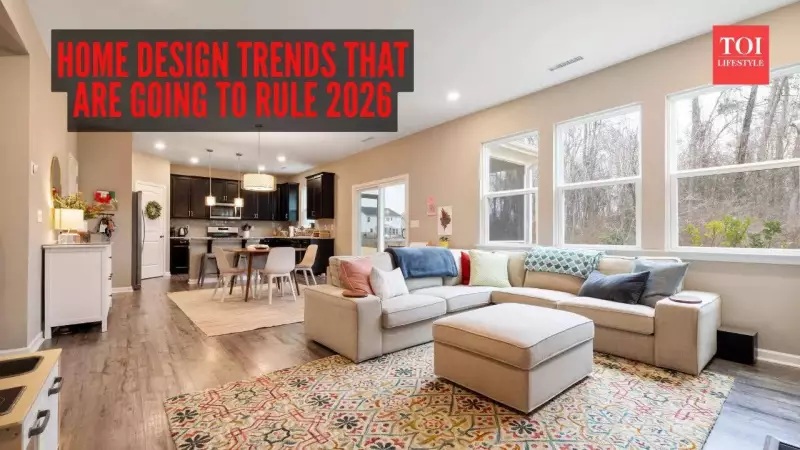
The landscape of home interior design is undergoing a significant transformation in 2025, moving away from flashy displays toward spaces that celebrate personal identity through understated elegance and intelligent design layering. According to Dubai and Mumbai-based designer Krish Kothari, founder of KKD Studio, today's most inspiring trends focus on creating environments that feel both carefully curated and naturally lived-in.
The Rise of Quiet Luxury and Craftsmanship
The concept of 'quiet luxury' is redefining modern interior spaces, shifting emphasis from overt opulence to the subtle beauty of exceptional craftsmanship, pure materials, and meticulous detailing. This approach prioritizes quality over quantity, allowing the inherent beauty of materials and construction to enhance the ambiance without shouting for attention.
Kothari emphasizes that true luxury in contemporary design manifests through proportion, intention, and restraint. 'Design is most powerful when approached with restraint,' he notes. 'Every element must contribute to the story of the space rather than compete with it.'

Biophilic Design and Sustainable Choices
Biophilic design continues to gain momentum, connecting interior environments with nature through organic textures, earthy color palettes, and strategic integration of natural light and ventilation. This trend responds to the growing desire for spaces that support emotional well-being and environmental harmony.
Sustainable design practices have become integral to luxury interiors, with natural, renewable, and responsibly sourced materials forming the foundation of conscious design. Designers are increasingly incorporating wood, stone, and fabrics that age gracefully, while recycling, upcycling, and reinterpreting heritage pieces allow objects to tell renewed stories.
Kothari explains that sustainable design extends beyond material selection to include energy-efficient lighting, low-VOC paints, eco-friendly finishes, and advanced climate control systems that collectively reduce environmental impact while creating healthier living environments.
Intelligent Spaces and Timeless Elements
Smart home technology has evolved beyond basic automation to create intuitive environments that seamlessly adjust lighting, climate, and ambiance according to occupants' needs and preferences. These technological advancements work quietly in the background to enhance both comfort and functionality.
When balancing contemporary trends with enduring design principles, Kothari recommends establishing a foundation of timeless elements—proportion, scale, natural materials, and craftsmanship—then introducing trend-forward pieces sparingly through furniture, accessories, or accent colors. This approach ensures spaces feel both current and ageless.
Certain classic styles maintain their relevance through changing trends. Modern classic, mid-century, and art deco designs continue to endure due to their celebration of balance, clean lines, symmetry, and rich materials that adapt gracefully to evolving tastes.
Practical Design Solutions
For those seeking to refresh their spaces without undertaking full renovations, Kothari suggests starting with textiles and lighting. New carpets, pillows, curtains, or strategically placed lamps can dramatically shift a room's mood and perception. Mirrors, artwork, or statement décor pieces can introduce vitality and create new focal points.
'Sometimes, minimal adjustments create the most striking impact,' Kothari observes. 'Changes in lighting—whether a statement fixture, layered ambient lights, or repositioned lamps—can entirely transform a room's mood, depth, and perceived scale.'
Seasonal changes influence design approaches through subtle adjustments in texture, color, and lighting rather than complete overhauls. Summer naturally invites lighter fabrics, breathable materials, and softer palettes, while winter encourages richer tones, layered textiles, and ambient lighting that evokes warmth.

The color and texture preferences for 2025 reflect a grounded, natural sensibility. Earthy hues like muted blues, warm browns, and deep greens create serene, timeless interiors, while texturally rich materials such as velvet, linen, wool, suede, hemp, jacquard, and embroidery add depth, warmth, and tactile interest.
Ultimately, the most compelling trend in contemporary home design is a mindset: creating spaces that authentically reflect individual lifestyles and characters, where artistry and technology collaborate to make personal expression both effortless and meaningful.