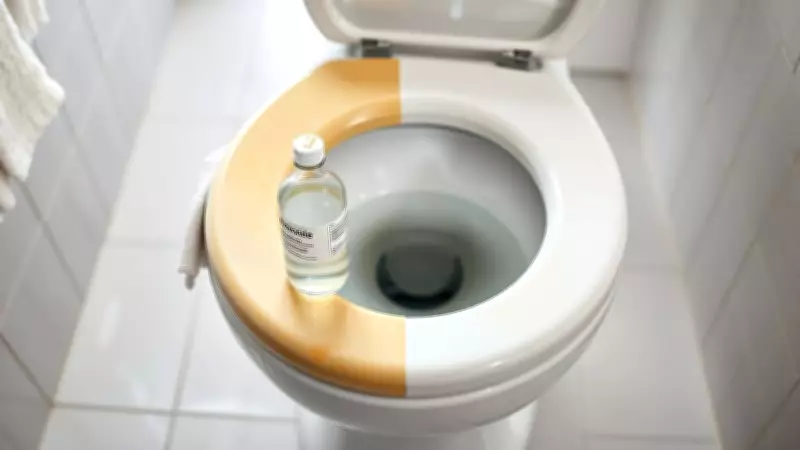
The Science Behind Yellowing Toilet Seats
Yellow toilet seats are a common household issue that develops gradually over time. Despite regular cleaning and diligent scrubbing, the dull, discolored appearance often persists, giving an otherwise clean bathroom an aged look. What many homeowners don't realize is that this yellowing isn't merely a surface problem—it's a chemical change occurring within the material itself.
Chemical Reactions in Plastic Materials
Most modern toilet seats are manufactured from plastic containing various additives for safety purposes, including flame retardants. Over extended periods, these chemical compounds react with environmental factors such as oxygen, moisture, and light. Research published in Polymer Degradation and Stability titled "Photodegradation of brominated flame retardants in polymer systems: Quantum yields, products and influencing factors" explains how this process leads to oxidation, which manifests as visible yellowing. This is why traditional cleaning methods often fail to completely resolve the discoloration.
Additional Factors Contributing to Discoloration
Daily use introduces other elements that worsen the problem. Minerals from hard water—particularly calcium and magnesium—along with residues from cleaning products and natural oils from skin accumulate on surfaces. According to research cited in the Water Research journal's "Analysis of Calcium Carbonate Scales in Water Distribution Systems and Influence of the Electromagnetic Treatment," these mineral deposits build up gradually, creating a dull, discolored appearance that's difficult to remove through conventional means.

Why Hydrogen Peroxide Outperforms Traditional Cleaners
This is where hydrogen peroxide emerges as a surprisingly effective solution. Unlike bleach, which can sometimes worsen plastic yellowing, hydrogen peroxide operates at a molecular level to address the root cause of discoloration.
The Molecular Mechanism of Hydrogen Peroxide
Scientific research on bleaching mechanisms supports this approach. The study "Fundamental Reaction Mechanisms of Hydrogen Peroxide Bleaching" published in the Japan TAPPI Journal details how hydrogen peroxide functions as an oxidizing agent during bleaching processes. The research demonstrates that hydrogen peroxide breaks chemical bonds within oxidized compounds, transforming colored molecular groups into colorless forms.
Essentially, hydrogen peroxide does more than simply clean surfaces—it targets the underlying chemical changes responsible for discoloration. By disrupting the molecules that cause yellowing, it helps restore or brighten materials more effectively than surface-level cleaning alone.
Practical Application and Results
The results are typically achieved with minimal effort since scrubbing isn't necessary—the gradual removal of yellow tones allows the natural color to return. This makes hydrogen peroxide an ideal solution for most homeowners.
Using hydrogen peroxide is straightforward:
- Begin by wiping the toilet seat with mild soap and water to remove loose dirt and debris.
- Apply a three percent hydrogen peroxide solution using a cloth or sponge.
- Allow the solution to sit for several hours. If possible, expose the seat to natural light, as light can accelerate the chemical reaction.
- Rinse thoroughly and dry the surface completely.
More severe stains may require repeating this process multiple times. While results aren't instantaneous, this method typically produces consistently better outcomes than traditional approaches. Simple application combined with patience yields superior results compared to aggressive scrubbing.
Preventive Measures to Avoid Future Yellowing
While repairing a yellowed toilet seat is beneficial, preventing the problem makes bathroom maintenance significantly easier. Several small adjustments to daily routines can make a substantial difference.

Avoid Harsh Chemical Cleaners
Refrain from using strong cleaning products on plastic surfaces without proper care. Scientific research indicates that chemical substances from cleaning agents can interact with indoor environments and surrounding materials. A study titled "The impact of surfaces on indoor air chemistry following cooking and cleaning" published in Environmental Science: Processes & Impacts explains that volatile compounds and reactive by-products from cleaning activities can deposit on surfaces and undergo chemical reactions.
These indoor chemical processes gradually alter surface chemistry, potentially contributing to material deterioration over extended periods—particularly for plastics and coatings sensitive to repeated chemical exposure.
Maintain Proper Ventilation
Ensuring adequate air circulation is crucial. High humidity levels promote mineral deposits and accelerate material damage. Good ventilation reduces humidity, slowing down the deterioration process.
Establish Regular Cleaning Routines
Frequent, gentle cleaning prevents buildup from forming initially, eliminating the need for aggressive cleaning methods later. For those preferring environmentally friendly alternatives, a baking soda paste or diluted vinegar solution can address surface stains effectively, particularly when dealing with initial buildup rather than set-in discoloration.
For stubborn yellowing that has already developed, hydrogen peroxide remains the most effective solution.
Understanding the Real Cause of Yellowing
Ultimately, a yellow toilet seat doesn't necessarily indicate poor hygiene. More often, it results from slow chemical changes occurring under normal household conditions. Recognizing this reality makes it easier to select appropriate solutions.
By utilizing accessible materials like hydrogen peroxide and implementing simple preventive measures, homeowners can revitalize their bathroom's appearance without needing to replace toilet seats entirely. Sometimes, the most straightforward solution proves to be the most effective one.