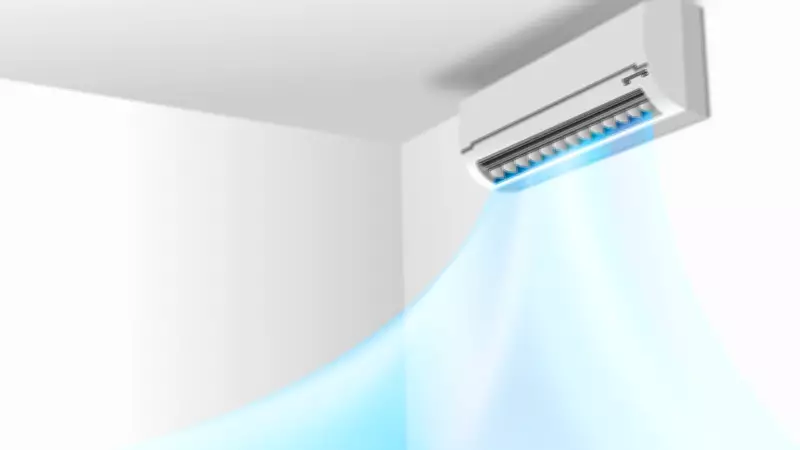
Why Your Room Gets Hot Quickly After Turning Off the AC
When you switch off your air conditioning during a scorching summer day, you might notice the temperature rising almost immediately. This frustrating phenomenon occurs because heat accumulates throughout the day in various elements of your room. The sun, warm air, and internal heat sources cause walls, furniture, and even the air itself to store thermal energy. While your AC system effectively cools the circulating air, it cannot completely remove heat trapped within solid materials.
As soon as you turn off the AC unit, this accumulated heat begins radiating back into the room. Factors like poor insulation, direct sunlight exposure, and gaps around doors or windows significantly worsen the problem, causing your space to warm up rapidly.
Simple Immediate Tips to Extend Cooling
To slow down heat ingress and maintain cooler temperatures longer, implement these straightforward strategies:

- Block Sunlight Effectively: Keep curtains or blinds closed, especially on windows facing direct sunlight. According to environmental experts, shading windows is a highly efficient method to prevent external heat from entering.
- Seal Gaps and Leaks: Ensure your room is properly sealed by checking doors and windows for drafts. Using door seals or draft excluders can prevent warm air infiltration.
- Utilize Fans Strategically: Continue using ceiling or portable fans even after turning off the AC. While fans don't cool air, they promote better circulation of the remaining cooled air throughout the space.
- Avoid Heat-Generating Appliances: Refrain from using devices like electric irons, ovens, or incandescent lights that produce additional heat during peak warm hours.
Long-Term Solutions for Enhanced Cooling Efficiency
For more permanent improvements to your home's cooling capacity, consider these lasting measures:
- Upgrade Insulation: Proper insulation in walls and ceilings helps retain cool air inside while blocking external heat. This is one of the most effective long-term investments.
- Install Reflective Window Films: These specialized films reflect solar radiation, reducing heat gain through glass surfaces. Thermal curtains provide similar benefits.
- Optimize AC Temperature Settings: Set your air conditioner to a balanced 24-26 degrees Celsius. This range provides comfort without overworking the system, improving energy efficiency.
- Maintain Your AC System Regularly: Schedule periodic maintenance to ensure optimal performance. Clean or replace filters as recommended, since clogged filters reduce cooling effectiveness and strain the unit.
By combining these immediate actions with long-term upgrades, you can enjoy a comfortably cool environment for extended periods, reducing reliance on constant air conditioning operation and potentially lowering energy costs.