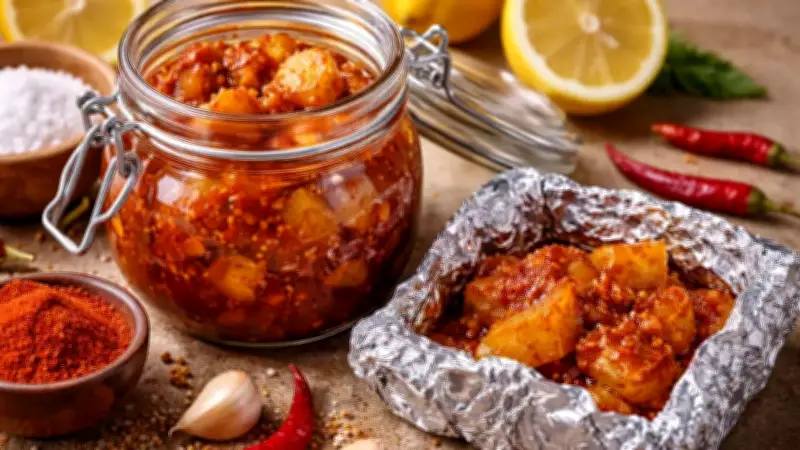
Why Aluminium Foil is Unsafe for Storing Lemon Pickle
Lemon pickle is a beloved condiment in countless Indian homes, cherished for its tangy flavor and impressive shelf life. However, a critical aspect often overlooked is the choice of storage container. Many individuals unknowingly use materials that can react with the pickle's acidic nature, leading to spoilage and potential health hazards. Among these, aluminium foil stands out as a common but risky option.
The Science Behind Lemon Pickle's Reactivity
Lemon pickle derives its sharp taste from citric acid naturally present in lemons. Combined with salt and spices during preparation, this acidity is heightened, making the pickle highly reactive. Acidic foods are known to interact with metals, particularly those prone to corrosion, which underscores the importance of proper storage methods.
How Aluminium Reacts with Acidic Foods
Aluminium is a highly reactive metal, especially when exposed to acids. When lemon pickle is stored in aluminium foil, the citric acid attacks the metal surface. This chemical reaction can lead to:

- Transfer of small amounts of aluminium into the pickle.
- Weakening of the foil, compromising its structural integrity.
- Although not immediately dangerous in isolated instances, long-term exposure is not considered safe.
Impact on Taste and Quality
One of the first noticeable effects of storing lemon pickle in aluminium foil is an alteration in taste. The reaction between acid and aluminium can change the pickle's texture and color, causing it to lose freshness and develop an unappealing hue over time. This defeats the purpose of preservation, as the pickle may become unpalatable.
Potential Health Concerns
The migration of aluminium into food is a significant concern, especially with repeated use. According to guidelines from organizations like the World Health Organization (WHO), excessive aluminium consumption can have adverse health effects. While the amount transferred in a single storage event might be minimal, regular intake from foods stored in reactive materials can accumulate and pose risks. It is generally advised to avoid storing acidic items in aluminium containers or foil.
Better Alternatives for Safe Storage
To maintain the quality and safety of lemon pickle, opt for non-reactive containers. Recommended options include:
- Glass vessels: These are ideal as they do not react with acidic foods and are easy to clean.
- Ceramic containers: Ensure they are dry and clean to prevent moisture buildup.
- Food-grade plastic: Suitable if it is specifically designed for acidic foods and kept dry.
- Stainless steel: Can be used for short-term storage but is not recommended for long periods due to potential reactions.
Essential Storage Tips
Proper storage extends beyond container selection. Follow these simple guidelines:
- Always ensure the container is completely dry before adding pickle to prevent spoilage from moisture.
- Store in a cool, dark place to preserve freshness and flavor.
- Avoid using aluminium foil or other reactive metals, even for temporary storage.
While making lemon pickle is straightforward, correct storage is crucial to keep it safe and delicious. By choosing the right container, you can enjoy this traditional condiment without compromising on health or taste.