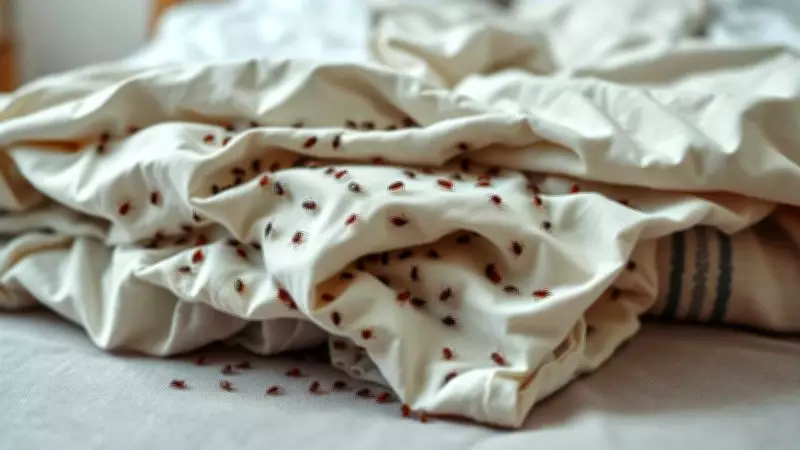
The Laundry Myth: Why Washing Alone Fails Against Bed Bug Infestations
When homeowners discover bed bugs, their immediate reaction typically involves a frantic cleaning spree. Clothes, bedding, curtains, and any potentially exposed items get thrown into the washing machine with hopes of eliminating the tiny invaders. While this approach provides psychological relief and reduces visible bugs, experts warn it represents merely the first step in a much more complex battle.
The Power and Limitations of Heat Treatment
High-temperature washing and drying remains the most effective method for killing bed bugs on textiles. According to pest control specialists like Terminix, washing clothes in hot water followed by high-heat drying effectively exterminates both adult insects and their larvae. The critical factor is sustained heat exposure throughout the entire life cycle of these resilient pests.
This method works particularly well for everyday fabrics including cotton clothing, bedsheets, and pillowcases. However, success depends entirely on maintaining sufficient heat for adequate duration. Short washing cycles or inadequate drying temperatures may leave survivors who can quickly repopulate. Research from the University of Minnesota confirms that bed bugs require sustained high temperatures to perish completely.

Detergents play a minimal role in this extermination process. While they effectively remove dust, debris, and stains from fabrics, they cannot eliminate bed bugs independently. The extermination mechanism relies exclusively on temperature exposure, with no detergent strength serving as an adequate substitute for proper heat treatment.
The Hidden Reality Beyond Your Laundry Basket
Washing machines address only what gets placed inside them, representing a tiny fraction of potential infestation sites. As Western Exterminator experts highlight, bed bugs rarely confine themselves to clothing alone. These nocturnal pests typically establish colonies in mattresses, furniture joints, wall cracks, electrical outlets, and other concealed spaces throughout living environments.
Studies published in the Journal of Economic Entomology reveal that bed bug infestations often persist precisely because these insects hide in inaccessible locations. The research paper "Bed bug behavior and integrated pest management" demonstrates how focusing exclusively on visible signs and washable items leads to treatment failure and recurring problems.
Transporting laundry between rooms without proper containment can actually spread the infestation further. Experts recommend sealing potentially contaminated items in plastic bags before movement and treating the entire environment simultaneously to prevent cross-contamination.
Comprehensive Strategies for Complete Eradication
Successful bed bug management requires a multi-faceted approach that extends far beyond laundry routines. The United States Environmental Protection Agency and Centers for Disease Control and Prevention both recommend integrated pest management combining various treatment methods.
For delicate items that cannot withstand high-temperature washing, freezing presents an effective alternative. Shoes, delicate fabrics, plush toys, and other sensitive materials require several days of continuous freezing to ensure complete extermination of bugs and larvae through prolonged low-temperature exposure.
High-heat drying without prior washing also proves effective for suitable items. This method destroys bed bugs through thermal shock when fabrics can tolerate the temperature without damage. However, this represents just one component of a comprehensive strategy.
Environmental cleaning remains equally crucial. Regular vacuuming of floors, careful inspection of mattresses and bed frames, and thorough examination of furniture joints help identify and address hidden colonies. Neglecting these areas virtually guarantees re-infestation of cleaned clothing and bedding.
Common Misconceptions and Reliable Alternatives
Many homeowners mistakenly believe strong chemicals or bleach will solve their bed bug problems. These substances often damage fabrics while failing to eliminate hidden infestations completely. Heat treatment combined with careful environmental management consistently proves more reliable according to pest control authorities.

The most effective approach involves treating the entire living space as a single ecosystem. This means addressing clothing through proper washing and drying while simultaneously targeting furniture, walls, and other potential hiding places. Understanding bed bug behavior patterns and preferred habitats enables more strategic intervention.
While laundry reduces visible bug populations and provides temporary relief, it cannot deliver complete eradication when used in isolation. A holistic strategy that combines textile treatment with environmental cleaning, targeted heat applications, and preventive measures offers the only reliable path to lasting freedom from bed bug infestations.