The Truth Behind the Watermelon Sweetness Myth: Science Over Superstition
For generations, a popular belief has circulated among consumers that the sweetness of a watermelon can be predicted by classifying it as "male" or "female" based on its shape or physical traits. This notion suggests that certain characteristics, such as the size of the blossom end or the overall form, indicate gender and, by extension, taste quality. However, this widespread idea lacks any scientific foundation and is purely a misconception rooted in folklore.
No Gender in Watermelon Fruits: The Botanical Reality
While it is true that watermelon plants (Citrullus lanatus) produce both male and female flowers as part of their reproductive process, the fruits themselves do not possess any gender association. Scientific research into fruit development clarifies that watermelons form through pollination and subsequent growth, with sweetness arising from factors like sugar accumulation rather than sexual traits. Understanding this biological process is crucial for making informed choices when selecting watermelons, moving beyond myths to evidence-based methods.
Debunking the "Female vs Male" Trick: What Really Affects Shape
The misconception often stems from observing physical attributes such as fruit shape or blossom end size, which people mistakenly link to sweetness. In reality, these traits are influenced by environmental conditions, including irrigation practices, pollination efficiency, and genetic factors, not by any inherent gender of the fruit. A key study published in Frontiers in Plant Science, titled "Genetic and Molecular Regulation of Sugar Accumulation in Watermelon," emphasizes that fruit morphology is governed by genetics, physiology, and appearance, but not by assumptions based on outward looks. The research highlights that sugar content, a primary indicator of sweetness, is measured scientifically using the total soluble solids (TSS) method, expressed in degrees Brix, which quantifies sucrose proportion in a solution.

What Actually Determines Watermelon Sweetness: Genetics and Environment
The sweetness of a watermelon is primarily due to the storage of sugars—such as sucrose, glucose, and fructose—during its growth phase. This process is affected by a combination of genetic and environmental factors. For instance, a study from the New Phytologist Foundation, "Researchers find key gene in watermelon sweetening," identified the CIVST1 gene as crucial for controlling sugar transport and accumulation in watermelons. Beyond genetics, proper pollination, adequate sunlight exposure, soil nutrient levels, and sufficient ripening time on the plant are essential variables that influence sugar formation. It is important to note that watermelons do not ripen after harvest, making on-plant maturation critical for optimal sweetness.
How to Pick a Sweet Watermelon Every Time: Proven Tips from Experts
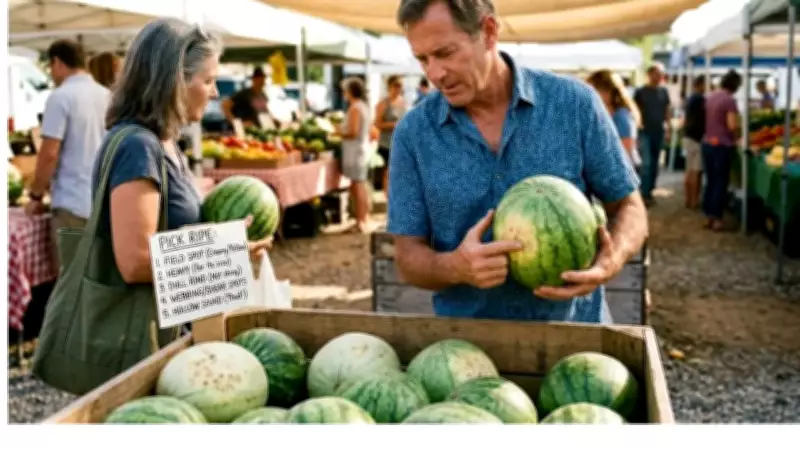
Instead of relying on unfounded myths, agricultural specialists recommend using physical characteristics that reliably indicate ripeness and quality. Here are evidence-based methods to ensure you select a sweet watermelon:

- Check the Field Spot: Look for a creamy yellow or golden-yellow spot on the watermelon's underside, which signals proper maturation while lying on the ground.
- Choose a Heavy Watermelon: A relatively heavy fruit typically has higher water content, indicating adequate juice and ripening.
- Examine the Rind Texture: A ripe watermelon often has a dull, firm outer shell rather than a shiny one; shininess may suggest premature picking.
- Look for Webbing or Sugar Spots: Dark, web-like spots on the surface can indicate successful fertilization and sufficient sugar development.
- Check the Shape and Symmetry: An evenly shaped watermelon without irregularities is more likely to have ripened uniformly.
- Tap for a Hollow Sound: A ripe watermelon produces a deep, thud-like sound when tapped, due to its fully matured internal structure.
Focus on Methods That Work: Moving Beyond the Myth
The concept of "male and female watermelons" is a persistent myth when discussing the fruit itself. While the plant does have different flower types, selection should be based on practical factors like weight, field spot color, and rind texture. By adopting these scientifically supported techniques, consumers can consistently choose sweet, high-quality watermelons, enhancing their culinary experience without falling for outdated superstitions.