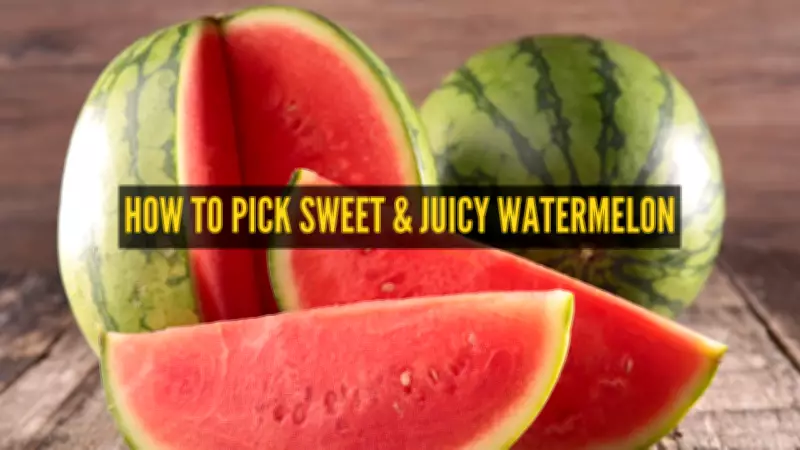
Watermelon Buying Guide: Expert Tips to Pick Sweet, Juicy & Chemical-Free Melons
As summer temperatures soar, watermelon emerges as the ultimate hydrating fruit, composed of over 90% water to effectively cool the body and combat heat. Beyond its refreshing qualities, watermelon is a nutritional powerhouse, packed with vitamins A and C along with potent antioxidants like lycopene that enhance skin health and boost immunity. However, selecting a perfectly sweet and juicy watermelon can be challenging, often leading to disappointment with bland or artificially ripened fruit. The Food Safety Department annually warns consumers about chemical adulteration in watermelons, urging vigilance during purchase. To empower you with knowledge, here is a comprehensive guide featuring smart, practical tips for choosing the best watermelon and verifying its purity before buying.
1. Examine the Shape for Uniformity
Begin by observing the watermelon's shape closely. A symmetrical, uniformly shaped melon typically indicates proper growth and natural ripening, suggesting it is sweet and juicy. Conversely, irregularities in shape or size may signal uneven ripening or suboptimal growing conditions, potentially affecting flavor and texture.
2. Perform the Thump Test
Gently tap the watermelon with your knuckles and listen attentively to the sound produced. A ripe, juicy watermelon will emit a resonant, drum-like echo, indicating it is full of flavorful juice and ready to enjoy. This simple auditory check is a reliable method to assess ripeness.

3. Assess Color and Texture
Inspect the outer rind for vibrant coloration and a smooth, firm texture. A genuine, ripe watermelon typically displays a deep green hue with distinct darker stripes or spots. Avoid melons with pale colors or soft spots, as these may indicate over-ripeness or spoilage, compromising both taste and safety.
4. Check the Weight for Juiciness
Lift the watermelon and compare its weight to others of similar size. A ripe watermelon should feel surprisingly heavy for its dimensions, reflecting a high water content that translates to juiciness and rich flavor. Heavier melons are generally more succulent and satisfying.
5. Look for Sugar Spots
Search for tiny brown freckles or streaks on the surface, known as sugar spots, sugar webbing, or sugar veins. These markings are a positive indicator of high sugar content, suggesting the watermelon will be exceptionally sweet and flavorful, making it a prime choice.
6. Inspect the Bottom Field Spot
Examine the underside, or "belly," where the watermelon rested on the ground during growth. Look for a creamy yellow area called the field spot. A fully ripened watermelon will have a distinct golden-yellow field spot, confirming it matured naturally on the vine for optimal sweetness.
How to Verify Watermelon Purity and Detect Chemicals
Beyond selecting a tasty watermelon, ensuring it is free from harmful chemicals is crucial for health. Here are effective methods to test for adulteration:
- White Paper Rub Test: Rub a slice of watermelon with white paper or tissue. If no color transfers, it likely lacks artificial dyes, indicating purity.
- Visual Inspection for Damage: Check for external marks or nibbles, as watermelons stored openly may be exposed to pests like rats, posing infection risks.
- Glass Tumbler Method: As advised by Food Safety officials, place chopped watermelon pieces in a glass of water. Artificial colors will separate and discolor the water, revealing adulteration.
- Cotton Ball Test: Cut the watermelon and rub a cotton ball on its flesh. If the cotton remains unstained, the red color is natural. Red staining suggests chemical injections or dyes, which are unhealthy and should be avoided.
By applying these expert tips, you can confidently choose sweet, juicy watermelons while safeguarding against chemical risks, ensuring a safe and delightful summer treat.