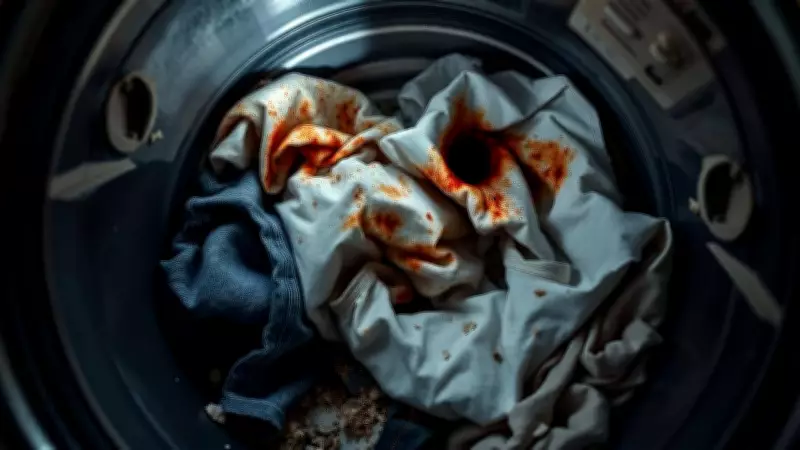
Why Your Washing Machine Leaves Stains on Clothes
You open the washing machine lid, expecting fresh, clean laundry, only to find mysterious stains that weren't there before. This frustrating issue is more common than many realize, and the culprit often lies within the appliance itself, not the detergent or clothing. Understanding the underlying causes can help you restore your machine to its proper function.
Common Causes of Stains in Washing Machines
Washing machines naturally accumulate debris over time. Residues from detergent, fabric softener, and other substances may not rinse out completely during cycles. This buildup forms a film inside the drum, door seals, and detergent dispenser. In subsequent washes, this debris can loosen and adhere to fabrics, creating unsightly greyish stains.
Bacterial and Mould Growth: Damp areas like rubber seals and detergent drawers are perfect breeding grounds for bacteria and mould. Research, such as the study Bacterial Exchange in Household Washing Machines published in Frontiers in Microbiology, shows that washing machines can act as reservoirs for microbes. These can transfer to fabrics during wash cycles, especially with inconsistent hygiene practices, leading to stains and odors.

Overloading and Improper Use: Adding too much detergent or fabric softener can cause excessive bubbles that don't rinse off properly, leaving spots. Similarly, overloading the machine prevents clothes from tumbling freely, reducing cleaning efficiency and potentially trapping dirt.
Mechanical and Environmental Factors
Certain stains indicate deeper mechanical issues with your appliance. Rust stains, for example, suggest corrosion inside the drum, allowing tiny rust particles to mix with water and stain clothes. Worn parts like seals and bearings can leak oil or grease, resulting in dark, greasy stains that are hard to remove.
Hard Water Effects: In areas with hard water, high levels of minerals like calcium and magnesium can accumulate inside pipes and the washing machine drum. This buildup leaves chalky or dull residues on clothes and reduces detergent effectiveness. Studies, such as A Study On Effects Of Hard Water On Human Health, highlight how these minerals persist in domestic water systems, impacting laundry cleanliness.
Filter Problems: Sediment or rust buildup in filters can compromise the rinse cycle, leaving dirt on clothes after drying. A constant flow of clean water is essential for effective rinsing.
Solutions for Clean Laundry
The good news is that these issues are often preventable with simple maintenance steps. Here are key solutions:
- Regular Cleaning: Run a hot water cycle with a washer cleaner monthly to break down buildup. Clean the gasket seal and detergent dispenser regularly to remove hidden dirt.
- Proper Detergent Use: Follow manufacturer instructions on detergent amounts to avoid excess that leads to residue.
- Load Management: Ensure clothes have enough space to move freely in the drum for optimal cleaning.
- Address Hard Water: Descale the machine or use a water softener to reduce mineral deposits and improve laundry results.
- Routine Checks: Inspect for signs of rust, mould, or worn seals. Early detection can prevent major repairs. If oil or rust stains persist, consider replacing specific parts.
With a little effort, your washing machine can return to its primary role of delivering spot-free, clean laundry every time.