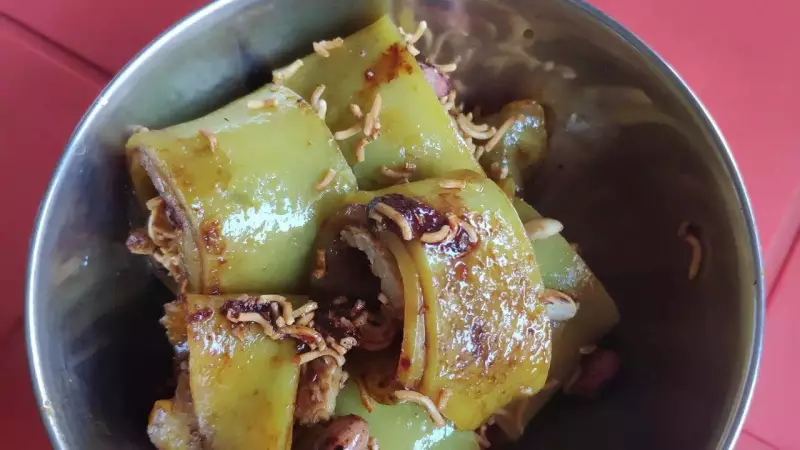
Veg Laphing has captured the hearts of food lovers across India. This Tibetan street food creation offers a unique combination of textures and flavors that make it irresistible. Originally from Tibet, it has found a special place in northeast India's culinary scene. People love its slippery, elastic noodles and the bold spicy-tangy taste that comes from a special marinade.
What Makes Veg Laphing Special
The dish stands out because of its cold serving temperature and distinctive preparation method. Unlike typical hot noodles, laphing provides a refreshing experience. The noodles themselves come from starch extracts, which can be sourced from moong dal, potatoes, or wheat flour. This creates that signature slippery texture that glides smoothly with each bite.
The Flavor Profile
Veg Laphing gets its exciting taste from a carefully balanced marinade. Cooks combine soy sauce, vinegar, garlic, red chillies, and various oils to create the signature sauce. The result is a complex flavor that manages to be both spicy and tangy at the same time. Restaurants typically serve it rolled into neat chunks with vegetable stuffing or gluten bread, accompanied by an extra serving of spicy sauce for dipping.

Step-by-Step Preparation Guide
While the dish might look complicated, home cooks can achieve professional results by following proper techniques. The process involves several key stages that each contribute to the final product.
Creating the Perfect Dough
The foundation of good laphing lies in the dough preparation. Texture plays a crucial role in the eating experience. Start by mixing all-purpose flour with a pinch of salt in a mixing bowl. Add some oil and mix thoroughly until the oil gets fully absorbed. Slowly incorporate water while kneading the mixture until it becomes soft and pliable. Cover the dough and let it rest for about twenty minutes. This resting period allows the gluten to develop properly.
Separating Starch and Gluten
This unique step defines laphing's texture. Take the rested dough and place it in a bowl of water. Knead it gently in the water. You'll notice the starch separating from the gluten. Carefully collect the starchy water for the steaming process later. Set aside the gluten portion, which you'll use for making the filling. Allow the starch water to rest undisturbed for approximately two hours. This separation process creates the noodle-like consistency that makes laphing distinctive.
Preparing the Gluten Filling
The gluten adds substance and texture to the rolls. First, clean the gluten under running water. Add half a teaspoon of either yeast or baking powder to soften it. Let it rest for ten minutes. Place the gluten on a greased steamer tray and steam it for fifteen to twenty minutes. This produces a soft, fluffy bread-like filling that complements the spicy noodles perfectly.
Making the Essential Chilli Paste
The chilli paste brings the heat and flavor to the dish. You'll need garlic, salt, red chilli powder, Sichuan pepper, and optionally Ajinomoto. Begin by crushing or finely chopping the garlic. Combine it with salt, red chilli powder, and Sichuan pepper in a bowl. Mix these ingredients together thoroughly. Add a little water to form a paste consistency. Heat about 100ml of cooking oil. Slowly pour the hot oil into the mixture while stirring constantly. The result should be a smooth, fragrant, and spicy paste. Adjust the chilli level according to your personal preference.
Creating the Laphing Wrapper
The wrapper gives laphing its characteristic slippery, soft texture. Carefully drain the starch water, leaving just a small amount with the starch. Strain the starch to remove any remaining gluten particles. Add half a teaspoon of turmeric or yellow food coloring along with a little oil, mixing everything well. Lightly grease a steaming plate and pour a portion of the batter onto it. Steam for four to five minutes until fully cooked. Cool the wrapper in cold water, then lift it carefully using a spoon or knife. Pro tip: If your wrapper cracks, let the starch rest longer or refrigerate it overnight to improve flexibility.

Assembling Your Veg Laphing
Place the prepared wrapper on a flat surface. Spread about one teaspoon of chilli paste evenly across it. Add some of the steamed gluten bread, a pinch of salt, a drizzle of soy sauce, and a dash of vinegar. Roll everything tightly and slice into even pieces. You can serve these rolls immediately or chill them for a refreshing snack experience.
Key Tips for Perfect Results
- Starch Separation: Proper separation of starch and gluten is essential for achieving soft, slippery noodles.
- Steam Timing: Steam the wrappers for just the right duration - too little and they're raw, too much and they become tough.
- Chilli Control: Adjust the spice level in your chilli paste to match your taste preferences.
- Overnight Rest: Allowing starch to rest overnight increases flexibility and minimizes cracking.
- Serving Temperature: Serve chilled for the most authentic experience.
With careful preparation and attention to these steps, you can recreate the perfect texture and flavors of this Tibetan street food favorite at home. The combination of slippery noodles, fluffy gluten filling, and spicy paste creates a dish that's truly impossible to resist. Whether you're familiar with Tibetan cuisine or trying it for the first time, homemade veg laphing offers a delightful culinary adventure.