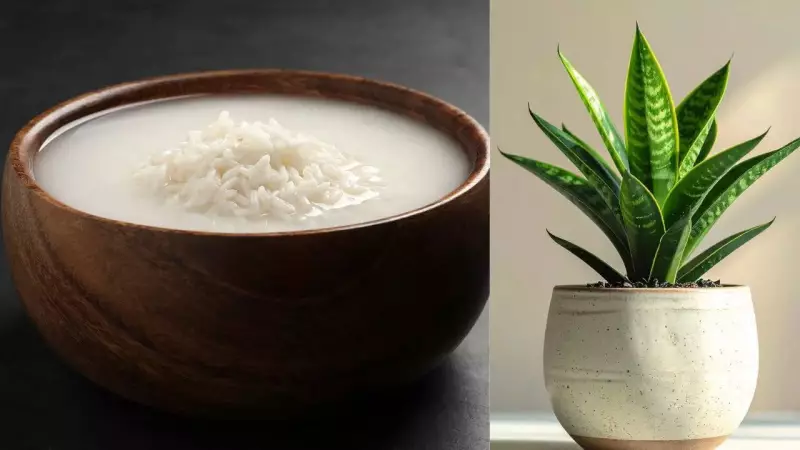
In many Indian kitchens, the cloudy water left after washing or boiling rice is considered waste and routinely discarded. However, this simple byproduct holds a secret that can transform your garden. Rich in essential nutrients, rice water is emerging as a powerful, cost-free, and sustainable fertiliser for a wide variety of plants, turning an everyday kitchen activity into a boon for your green companions.
The Science Behind Rice Water as Plant Food
Why does this milky liquid work so well? Rice water is packed with minerals like potassium, phosphorus, calcium, iron, and nitrogen. These are fundamental building blocks for plant health. Potassium aids in overall strength and disease resistance, phosphorus supports root development, and nitrogen is crucial for lush, green leaf growth. Beyond the minerals, the natural starches present serve as food for beneficial bacteria and microbes in the soil. A thriving microbial ecosystem helps aerate the soil, making it looser and improving the plant's ability to absorb water and nutrients more efficiently.
How to Prepare and Use Rice Water Safely
The key to using this kitchen hack successfully lies in moderation and correct preparation. You can collect water from either rinsing raw rice (which gives a starchier, milky liquid) or from boiling rice (a slightly clearer but still nutrient-rich option). It is vital to ensure no salt was added during boiling. The collected liquid should be stored briefly in a jar or bottle.

Before application, always dilute the rice water with fresh water. The most critical rule is to use it sparingly. Applying diluted rice water once a month is the recommended frequency. Overuse can lead to compacted soil, sticky residue, and even root rot due to excessive nutrient and starch build-up. It can be applied directly to the soil or used as a light foliar spray for suitable plants.
10 Plants That Thrive on Rice Water Fertiliser
This natural elixir is not a one-trick pony. It benefits a diverse range of plants commonly found in Indian homes and gardens.
1. Snake Plants: These hardy plants appreciate a gentle nutrient boost. Diluted rice water every two to four weeks can enhance their growth, but overfeeding must be avoided to prevent root rot.
2. Monstera: During their active growing phase, a monthly application of rice water supports the development of their large, fenestrated leaves and robust root systems.
3. Pothos (Money Plant): A steady, light feeding with rice water once a month helps maintain the vibrant colour and healthy growth of its trailing vines, especially indoors where soil nutrients deplete faster.
4. Tomatoes: As heavy feeders, tomato plants respond exceptionally well. The starch content improves soil moisture retention and microbial activity, leading to stronger plants and better fruit set.
5. Peppers (Chilli/Capsicum): Similar to tomatoes, pepper plants benefit from the improved soil health and hydration efficiency, which helps them withstand the stress of heavy fruiting periods.
6. Peace Lilies: These sensitive plants show a noticeable improvement when their soil is enriched with rice water. It leads to stronger roots and more reliable flowering.
7. Aloe Vera: Rice water provides a mild, gentle source of nitrogen that supports the thick, fleshy leaf growth of aloe vera without the risk of burning associated with strong chemical fertilisers.
8. Orchids: They can benefit from an occasional feed of highly diluted rice water, which supports root and leaf health. It is crucial to alternate with plain waterings to prevent damage.
9. Eggplants (Brinjal): While they enjoy the nutrient boost, timing is key. Excess nitrogen early on can promote leaves over fruits, so moderate, later-stage application is best.
10. Spider Plants: Monthly feeding during spring and summer encourages the production of more plantlets (spiderettes) and lusher foliage. Reduce or stop in winter.

Turning Waste into Garden Wealth
Adopting rice water as a fertiliser is more than just a gardening tip; it's a step towards a more sustainable and circular lifestyle. It reduces kitchen waste, eliminates the need for store-bought chemical fertilisers for minor feedings, and harnesses a readily available resource. By integrating this simple monthly practice, gardeners can nurture their plants effectively, witnessing enhanced growth, improved soil vitality, and more bountiful harvests, all while being kind to both their wallet and the environment.