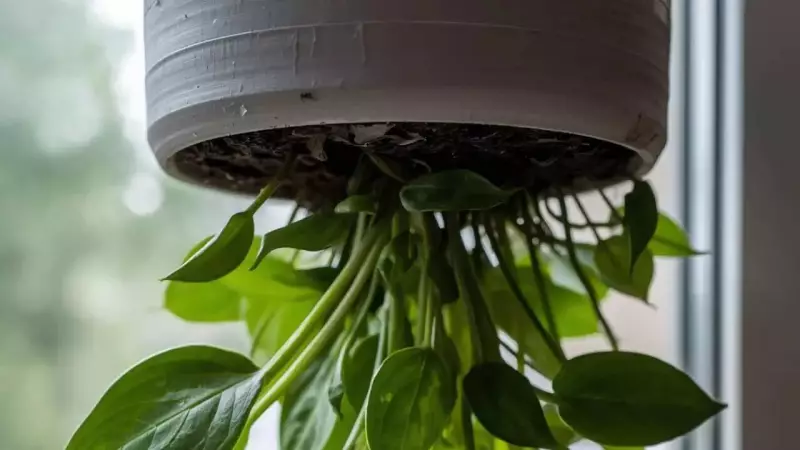
Upside-Down Gardening: A Space-Saving Revolution for Urban Homes
Imagine stepping onto your balcony and seeing tomatoes, peppers, and herbs growing upside down. Instead of rising from the soil, their stems and fruits dangle toward the ground. This is the essence of upside-down gardening, a technique that turns conventional planting on its head.
What Exactly Is Upside-Down Gardening?
Upside-down gardening involves placing plants in suspended containers. The roots stay nestled in soil at the top, while gravity pulls stems, leaves, and fruits downward. This setup offers better air circulation and reduces soil contact, making it ideal for urban settings with limited space.
This method thrives where traditional ground planting is impossible. Apartments, balconies, and patios become perfect spots. It cuts down on soil-borne issues and simplifies harvesting, as fruits swing freely without touching the ground.

Can You Really Do Upside-Down Gardening at Home?
Absolutely! Even beginners can succeed with this approach. You need a sturdy support, a container with good drainage, and regular watering and feeding. Many people grow upside-down plants successfully on balconies, terraces, patios, and indoors.
Remember, hanging pots have limited soil volume. This means you might need to water and feed plants more frequently than in a classic garden. With consistent care and smart plant choices, upside-down gardening can be just as productive—and often more convenient—than traditional methods.
Best Plants for Upside-Down Gardening
Not all plants adapt well to inverted growth. The best choices have flexible stems, lighter weight, and shallow root systems. Ideal plants include:
- Tomatoes, especially cherry or patio varieties
- Peppers like bell, chilli, and sweet types
- Strawberries
- Basil and other soft-stemmed herbs
- Lettuce and leafy greens
Avoid heavy crops or plants with large root systems, as they can damage the pot.
Why People Love Upside-Down Gardening
This technique attracts gardeners because it solves common problems. It maximizes space, elevates plants from soil, and reduces pests and rot. For urban dwellers or those without conventional garden plots, it offers a practical solution.
Beyond utility, upside-down gardens add aesthetic value. They bring character to balconies and patios, turning routine gardening into an engaging hobby. This unique perspective utilizes spaces that often go unused, making every corner count.