In countless Indian homes across generations, flowers were not added to food for novelty or Instagram appeal. They were used simply because they were there, blooming in the backyard or growing wild nearby. This practice was born from a quiet, intuitive relationship with nature, where nothing went to waste and every seasonal gift was welcomed onto the plate.
The Roots of a Practical Tradition
Flowers entered the Indian culinary sphere out of sheer necessity and deep familiarity. In rural and even many urban settings, vegetables were strictly seasonal and often limited. Edible blossoms filled the nutritional and culinary gap seamlessly. They were often lighter on the stomach, easier to cook, and widely believed to help balance bodily heat, especially during seasonal transitions.
This knowledge was never locked away in elaborate cookbooks. Instead, it was passed down through observation. Children learned by watching elders clean, soak, boil, or temper flowers. There were no precise measurements or timers; the wisdom was in the hands and the eyes. Over decades, these practices solidified into routine. What survived did so because it worked—it nourished the body and pleased the palate.

Staples of the Seasonal Kitchen
Several flowers became integral to regional diets, each with its own story and purpose.
Banana flower has been a staple for generations, particularly in southern and eastern India. Preparing it is an act of patience: the florets are meticulously cleaned, soaked, and finely chopped before being transformed into curries, stir-fries, or lentil dishes. Its slight bitterness mellows beautifully with spices and coconut, providing a filling, fibrous meal.
Pumpkin flowers were used practically when the plant was flowering but the vegetable was not yet ready. Their soft, mild nature meant they cooked quickly. A common preparation was to dip them in a light batter and fry them, or to cook them with minimal spices, ensuring every part of the plant was utilized.
Neem flowers, famously bitter, were never consumed for pure pleasure. In southern India, they are a key symbolic ingredient in Ugadi festival dishes, representing life's inevitable bitterness. Beyond symbolism, they were eaten once a year for their perceived cleansing and medicinal properties, almost as a ritual.
Regional Specialties and Seasonal Appearances
Other flowers played specific, seasonal roles in local food cultures. Moringa flowers, available for a brief period, were added to dals and coconut-based gravies during seasonal changes when lighter foods were preferred. Their flavour is gentle yet distinct.
Palash flowers, or the flame of the forest, appear in certain regional and tribal cuisines. Their slightly tangy petals were cooked simply with grains or pulses, creating sustaining, unelaborate dishes.
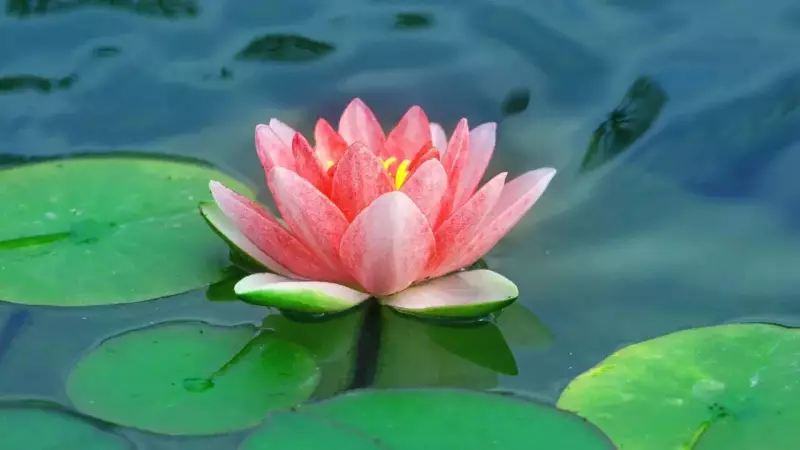
In parts of northern and eastern India, lotus stems and petals were valued for their texture and the sense of lightness they brought to meals. Gulmohar flowers saw brief summer use in some regions, their petals lightly cooked, with the dish disappearing as soon as the season ended.
Mahua flowers held immense importance in tribal communities, providing natural sweetness and energy where sugar was scarce. They were consumed fresh, dried, or fermented. Meanwhile, Kachnar buds are a common seasonal vegetable in North Indian homes, simply sautéed with spices and eaten with rotis—a routine, not a delicacy.
Even rose petals transcended desserts, finding their way into savoury chutneys and cooling preparations, valued for their aroma and ability to balance heavier meals.
A Legacy of Adaptation, Not Novelty
The story of edible flowers in India is fundamentally not one of forgotten exoticism, but of quiet adaptation. These ingredients were part of a culinary intelligence that responded to season, climate, and local availability without fuss. Their use was dictated by instinct and practicality, not by trends or chef-driven rediscovery.

Bringing these flowers back into modern kitchens, therefore, is less about a trendy revival and more about reconnecting with a sustainable, intuitive way of cooking that viewed nature's offerings as integral to everyday nourishment. It is a reminder of a time when the kitchen worked in silent harmony with the garden's rhythm.