Start Your Home Composting Journey with These Simple Steps
Composting at home offers a fantastic way to reduce waste and enrich your garden soil. Many people think it is complicated, but it can be surprisingly easy. You can begin with just a few basic steps. This guide outlines six simple methods to help you get started right away.
Choose a Convenient Location
First, pick a spot in your yard or balcony for your compost bin. A shaded area works best to prevent the compost from drying out too quickly. If you live in an apartment, a small container on a balcony or even under the sink can suffice. The key is to ensure good air circulation around the bin.
Gather Your Composting Materials
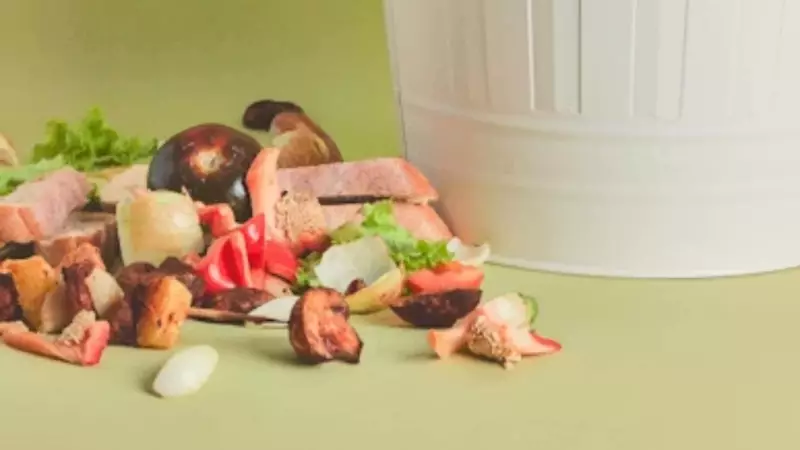
You will need a mix of green and brown materials. Green materials include kitchen scraps like fruit peels, vegetable trimmings, and coffee grounds. Brown materials consist of dry leaves, cardboard, or newspaper. Aim for a balance of about one part green to two parts brown. This ratio helps the compost break down efficiently without odors.

Select the Right Composting Method
Several easy methods are available for home composting. You can try a simple pile method, where you layer materials directly on the ground. Alternatively, use a tumbler bin for faster results with less effort. Vermicomposting with worms is another popular option, especially for indoor setups. Choose the method that fits your space and lifestyle.
Maintain Your Compost Pile
Regular maintenance ensures your compost decomposes properly. Turn the pile every week or two to aerate it and speed up the process. Keep the compost moist but not soggy, similar to a wrung-out sponge. If it starts to smell, add more brown materials to balance it out.
Monitor the Decomposition Process
Watch for signs that your compost is ready. It should turn dark, crumbly, and earthy-smelling after a few months. The materials should no longer be recognizable. If you see this, your compost is ready to use in your garden or potted plants.
Use Your Finished Compost
Once ready, spread the compost around your plants to improve soil health. It provides essential nutrients and helps retain moisture. You can also mix it into potting soil for container gardening. This step completes the cycle, turning waste into a valuable resource.
Starting home composting does not require special skills or expensive equipment. By following these six easy ways, you can contribute to a greener environment. You will reduce landfill waste and create rich soil for your plants. Give it a try today and enjoy the benefits of sustainable living.