Don't Despair: Overcooked Pasta Can Be Saved
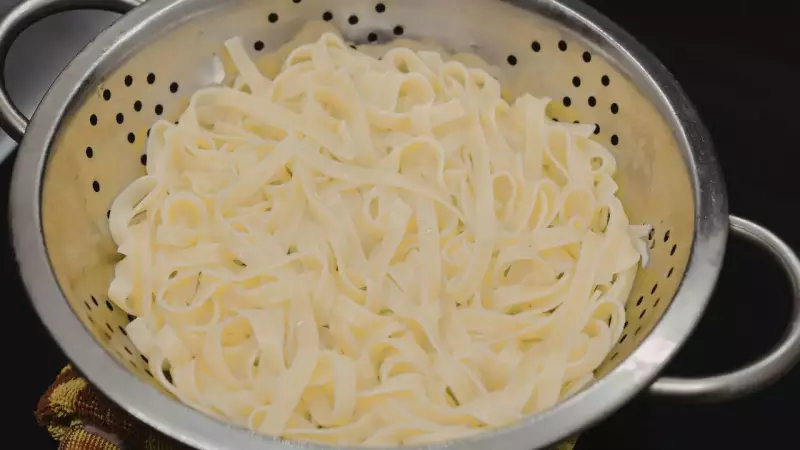
We've all been there – you glance away for just a moment, and suddenly your perfectly al dente pasta has transformed into a soft, mushy disappointment. That dream of a wonderful dinner plate seems shattered. But before you consider it a total loss and toss it into the bin, here's some heartening news: overcooked pasta is often salvageable. With the right approach and a few clever kitchen tricks, you can transform this common culinary blunder into something surprisingly delicious. A simple mishap might even lead you to discover a new favorite dish.
Quick and Effective Fixes for Overcooked Pasta
Rinse with Cold Water Immediately
If your pasta has become extremely soft or sticky, one of the fastest solutions is to briefly run it under cold water. This action serves two crucial purposes: it immediately halts the cooking process, preventing further softening, and it washes away excess surface starch that can cause the noodles to clump together into an unappetizing mass. While rinsing pasta is generally not recommended for most dishes as it removes sauce-adhering starch, this method works perfectly when you plan to reuse the pasta in another preparation.
Sauté It in a Pan for Texture
One of the simplest and most effective ways to rescue overcooked pasta is by pan-frying it lightly. Heat a little olive oil or butter in a skillet, add the pasta, and cook for a few minutes until excess moisture evaporates. This process can create a slight crispiness on the exterior, making the pasta feel firmer and significantly more flavorful. The sautéing technique helps redistribute moisture and can completely change the texture profile of your dish.

Incorporate into a Baked Dish
Overcooked pasta actually performs exceptionally well in baked casseroles and pasta bakes. When combined with robust sauces, vegetables, cheese, or protein and then baked in the oven, the heat helps bind all components together. In these dishes, the soft texture of the pasta becomes much less noticeable, often blending seamlessly with other ingredients. The baking process can transform what seemed like a failure into a comforting, cohesive meal.
Use Thick, Chunky Sauces
Thin, delicate sauces tend to emphasize the mushy texture of overcooked pasta, while thick, chunky sauces can effectively mask textural problems. Sauces loaded with vegetables, cream, cheese, or meat provide much-needed structure to the dish. The substantial components offer contrasting textures that make the softer pasta more pleasant to eat, turning a potential disaster into a hearty, satisfying meal.
Creative Transformations: Give Overcooked Pasta New Life
If your pasta seems beyond simple rescue, consider completely repurposing it into a different dish where its texture becomes an advantage rather than a flaw. Overcooked pasta works wonderfully in:
- Pasta Salads: The softer texture blends well with dressings and crunchy vegetables.
- Stir-Fried Noodle Dishes: Treat it like Asian noodles in a quick stir-fry with sauces and proteins.
- Soups and Stews: Many soups actually benefit from softer pasta that absorbs flavors beautifully.
- Cheesy Skillet Meals: Combine with cheese, vegetables, and proteins for a one-pan comfort food.
By changing the dish concept entirely, you often render the original texture issue completely moot, creating something new and delicious from what seemed like a mistake.
What Absolutely Not to Do with Overcooked Pasta
While there are many effective rescue techniques, certain actions will only make matters worse:
- Don't Boil It Again: Additional boiling will only further break down the pasta structure, making it completely disintegrate.
- Avoid Adding Water to "Fix" It: Extra moisture increases sogginess and dilutes flavors, creating an even less appealing texture.
- Never Serve It Plain: Without sauce or proper preparation techniques, the texture flaws become glaringly obvious.
Prevention Tips for Perfect Pasta Next Time
To avoid overcooked pasta in future meals, implement these simple strategies:

- Check Early: Begin testing pasta for doneness 1-2 minutes before the package instructions suggest.
- Drain Immediately: Once cooked to your preference, drain the pasta right away to stop the cooking process.
- Save Pasta Water: Reserve a cup of the starchy cooking water before draining – it's perfect for adjusting sauce consistency.
- Toss with Sauce Promptly: Immediately combine cooked pasta with your sauce to prevent it from absorbing excess moisture and becoming mushy.
Remember, kitchen mishaps happen to everyone, even experienced cooks. With these techniques in your culinary arsenal, you can confidently rescue overcooked pasta and turn potential disappointment into delicious success. The next time your pasta goes a bit too soft, view it not as a failure but as an opportunity to get creative in the kitchen.