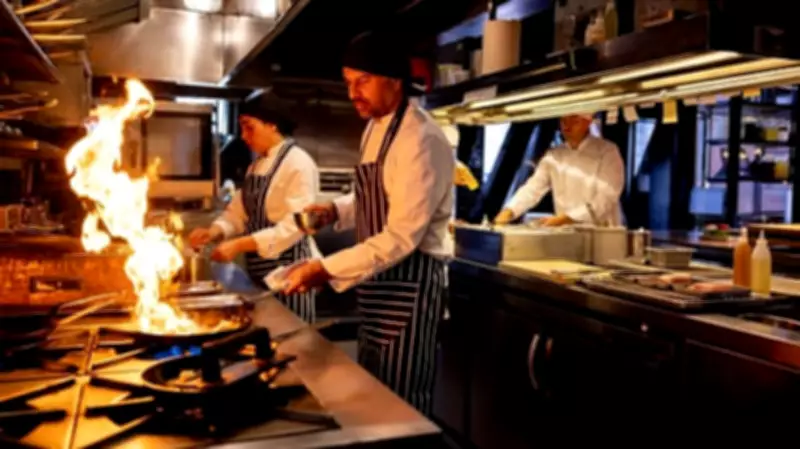
Dining Out May Become More Expensive as LPG and Power Costs Escalate
The ongoing conflict in West Asia is having a ripple effect on global energy markets, leading to significant increases in the costs of liquefied petroleum gas (LPG) and electricity. This surge in operational expenses is now directly impacting the hospitality sector, with hoteliers and restaurant owners across the country facing mounting financial pressure.
Hoteliers Contemplate Price Hikes for Food Items
In response to these rising costs, many hoteliers are actively considering increasing the prices of food items served at their establishments. The increased burden from higher LPG and power bills has made it challenging to maintain current pricing structures without compromising on profitability or quality.
Industry representatives have expressed concern over the sustainability of current menu prices, noting that energy costs constitute a substantial portion of their overall operational expenses. The situation has prompted a cautious approach, as businesses weigh the potential impact on customer demand against the need to cover escalating costs.

Wait-and-Watch Strategy Adopted by Hospitality Sector
Despite the urgency, hoteliers have decided to adopt a wait-and-watch strategy, monitoring developments over the next two days before making any final decisions on price adjustments. This period will allow them to assess:
- The stability of energy prices in light of the West Asia conflict.
- Potential government interventions or subsidies that might alleviate the burden.
- Consumer sentiment and market trends to gauge the feasibility of price hikes.
This cautious stance reflects the uncertainty surrounding the conflict's duration and its broader economic implications. Hoteliers are keen to avoid abrupt changes that could alienate customers, preferring instead to implement gradual adjustments if necessary.
Broader Implications for the Dining Industry
The potential price increases come at a time when the dining industry is already navigating post-pandemic recovery challenges. Rising costs could further strain businesses, particularly smaller establishments with limited financial buffers. Experts warn that if energy costs continue to climb, consumers may need to brace for higher dining-out expenses across various cuisines and service levels.
In summary, the West Asia conflict is driving up LPG and power costs, forcing hoteliers to consider raising food prices. With a decision pending after a brief observation period, the hospitality sector remains on alert, balancing operational viability with customer affordability in an increasingly volatile economic landscape.