CBSE Directs Schools to Integrate PM eVidya TV Channels into Daily Classroom Teaching
In a significant push to modernize education delivery, the Central Board of Secondary Education (CBSE) has issued a circular mandating all affiliated schools to actively incorporate broadcast lessons from the PM eVidya platform into their everyday teaching practices. This directive focuses specifically on utilizing the PM eVidya CBSE-15 television channel, which is part of a broader government initiative launched in 2024 that encompasses 200 direct-to-home (DTH) educational TV channels.
Expanding Access to Curriculum-Aligned Educational Resources
The PM eVidya platform offers recorded lessons that students can revisit at their own pace, serving as supplementary academic support while also providing subject enrichment and comprehensive teacher training modules. According to a CBSE official, the initiative was designed with a clear objective: "to improve equitable access to quality educational resources, particularly for learners who may face geographical or socio-economic constraints in accessing digital tools."
The curriculum-aligned programs cover a wide range of educational areas, including innovative pedagogy, contemporary classroom practices, modern assessment approaches, and subject-specific learning methodologies. Currently, the repository includes 67 educational e-videos available through both TV channels and associated digital platforms.

Comprehensive Content Repository for Students and Teachers
The available content is remarkably diverse, addressing both student learning needs and professional development for educators. For students, there are specific subject lessons such as real numbers and coordinate geometry tailored for Class IX. For teachers, the platform offers broader educational modules that include:
- Art-integrated learning techniques
- Storytelling as an effective pedagogical tool
- Understanding artificial intelligence and its various domains
- Strategic planning for teaching mathematics
- Cooperative learning methodologies
- Universal design of learning principles
Additionally, the platform features sessions explaining the National Education Policy 2020 and provides specific methods and strategies for teaching core subjects including science, mathematics, and social science.
Implementation Guidelines and Infrastructure Requirements
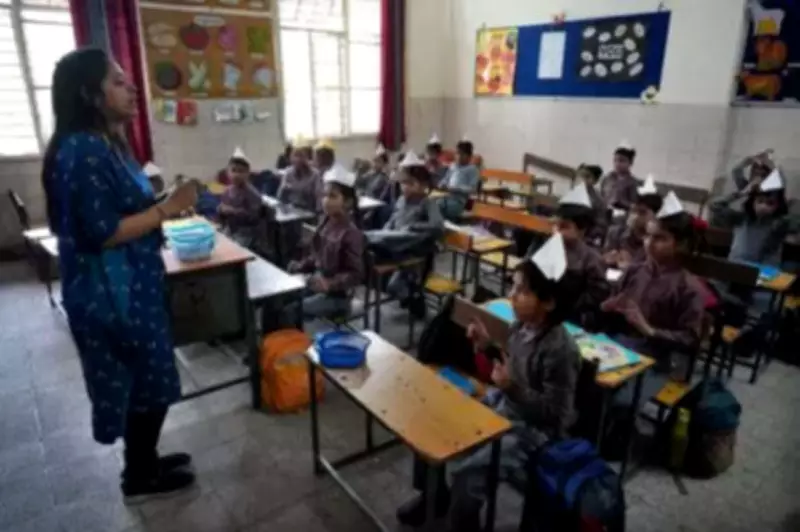
The CBSE circular provides clear implementation guidelines for schools. Teachers are encouraged to integrate these videos directly into their lesson planning and classroom transactions, while students can access them independently for concept clarification and self-directed learning. School principals have been specifically instructed to create the necessary infrastructure to access this content and ensure proper dissemination of information throughout their institutions.
Many educators have welcomed this move, noting that it can significantly strengthen digital and competency-based learning approaches. The structured content allows for consistent educational delivery across different regions and school types.
Addressing Technological Challenges and Equity Concerns
However, some educators have raised important concerns about implementation challenges. While many schools already utilize digital resources effectively, institutions with limited technological infrastructure might face significant hurdles. These challenges could include inadequate hardware, unreliable internet connectivity, or insufficient teacher training on how to optimally integrate these resources into daily teaching practices.
The PM eVidya initiative represents a substantial step toward bridging educational divides in India, particularly by reaching students in remote or underserved areas through television-based delivery. As digital transformation continues to reshape education, this directive underscores the government's commitment to leveraging technology for educational equity while acknowledging the ongoing need to address infrastructure gaps that could hinder universal implementation.