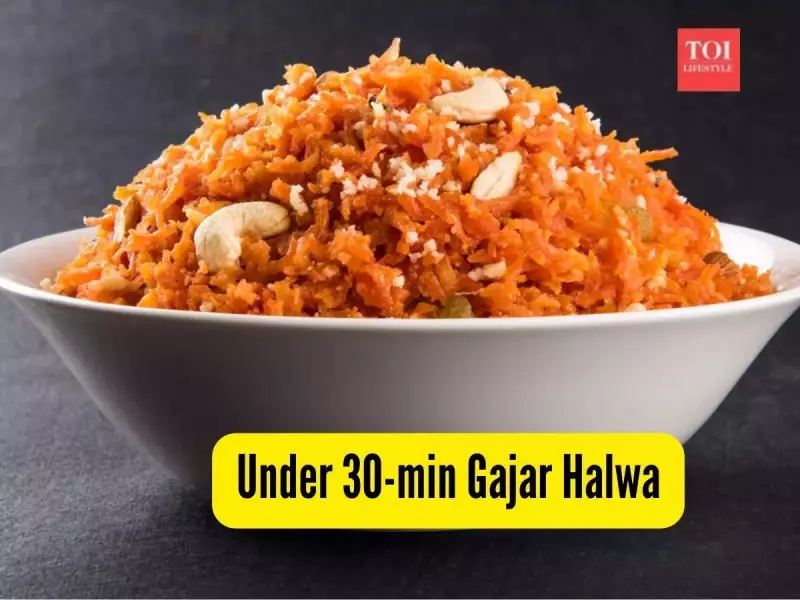
Few things evoke the cozy essence of an Indian winter quite like a steaming bowl of Gajar ka Halwa. The nostalgic aroma of carrots simmering in milk, the transformation of vibrant red shreds into a golden, ghee-laden delight, and its luxuriously melt-in-the-mouth texture collectively make it the ultimate comfort food. However, the traditional method of preparation, involving hours of patient stirring and grating, often feels like a daunting task for the modern home cook. The good news? You can now recreate this beloved classic in under 30 minutes with a few clever kitchen hacks, without compromising on its soul-satisfying flavor.
The Humble Carrot: A Nutritional Powerhouse in Disguise
Beyond its starring role in this iconic sweet, the carrot is a frequently underestimated superfood. It is rich in beta-carotene, which the body converts into Vitamin A, crucial for maintaining good eyesight, healthy skin, and a robust immune system. Packed with antioxidants, it helps combat cellular damage and inflammation. A thoughtfully prepared bowl of Gajar ka Halwa, especially one moderated in sugar and ghee, offers warmth, energy, and nutrition—a perfect ally during the colder months. The vegetable's natural dietary fiber aids digestion, and its inherent mild sweetness means you can often reduce the amount of refined sugar needed, making this dessert a rare treat where indulgence meets nourishment.
Smart Swaps: From Hours to Minutes
The conventional technique for making Gajrela, as it's known in North India, involves slow-cooking a mountain of grated red carrots in full-fat milk until the liquid reduces and the mixture caramelizes into a dense, rich halwa. While this process deepens the flavors, contemporary kitchens demand efficiency. The secret lies in identifying intelligent shortcuts. Using sweetened condensed milk serves a dual purpose: it acts as both a sweetener and a thickener, significantly cutting down cooking time. Instead of slow-cooking on an open flame, you can soften the carrots quickly by sautéing or even pressure-cooking them. Furthermore, a food processor or mixer can take over the tedious job of hand-grating, turning a labor-intensive step into a matter of seconds.

The Efficient 30-Minute Gajar Ka Halwa Method
This streamlined recipe requires just 25 to 30 minutes and serves four people. You will need 500 grams of peeled and chopped red carrots, 2 tablespoons of ghee, 200 ml of sweetened condensed milk, half a cup of whole milk (optional for extra creaminess), half a teaspoon of cardamom powder, 10-12 chopped almonds and cashews, a tablespoon of raisins, and an optional pinch of saffron strands.
Begin by pulsing the chopped carrots in a food processor until you achieve small, coarse pieces—avoid making a puree. Next, heat ghee in a heavy-bottomed pan or kadhai and sauté the processed carrots for 5-7 minutes over medium heat. This sautéing step is non-negotiable as it removes the raw edge and enhances the carrot's natural sweetness. If using, add the half cup of milk, cover, and cook for about 10 minutes until the carrots soften and the liquid thickens. For an even faster route, you can pressure-cook the carrots with milk for two whistles.
Now, stir in the condensed milk. Cook the mixture on low heat for 8-10 minutes without a lid, stirring occasionally, until it thickens and the ghee begins to separate from the sides. Finally, add the cardamom powder, nuts, raisins, and saffron. Stir well and cook for another 2-3 minutes until everything combines into a glossy, thick halwa. Serve it hot, garnished with extra nuts or a dollop of fresh cream.
Pro Tips for the Perfect Quick Halwa
Remember that skipping the sauté will cost you the deep, caramelized flavor. Since brands of condensed milk vary in sweetness, adjust sugar to your taste. For a vegan version, simply substitute dairy milk with coconut milk and ghee with coconut oil. This halwa stays fresh in the refrigerator for up to four days.

This modern take preserves the heart and soul of the traditional dessert—the comforting fragrance of ghee and cardamom, the rich texture reminiscent of mawa (reduced milk solids), and the satisfying sweetness. It's a versatile dish you can whip up for a festive dinner, pair with vanilla ice cream for a contemporary twist, or store for a weekend treat. Ultimately, it democratizes the joy of Gajar ka Halwa, transforming it from a rare, time-intensive luxury into a feasible weekly delight, proving that winter comfort doesn't have to come with hours of stirring.