The night sky is set to present its first grand spectacle of the year 2026 with the arrival of the Wolf Moon. This is not just any full moon; it is the inaugural full moon of the year, carrying a name steeped in ancient tradition and natural lore. For skywatchers across India and the globe, understanding the story behind this name adds a rich layer of meaning to the celestial observation.
The Significance and Timing of the Wolf Moon 2026
The Wolf Moon is the traditional name given to the full moon that occurs in the month of January. In 2026, this luminous event is scheduled to reach its peak illumination on Saturday, January 3. As the first full moon following the December solstice, it holds a special place in the lunar calendar, marking a time of deep winter in the Northern Hemisphere.
This full moon is not merely a marker of time; it is a cultural beacon. The practice of naming full moons dates back centuries, primarily attributed to Native American tribes, Colonial Americans, and other traditional communities. These names served as a way to track the seasons and were deeply connected to the natural world, reflecting changes in the landscape, animal behavior, and weather patterns.

How Did the "Wolf Moon" Get Its Name?
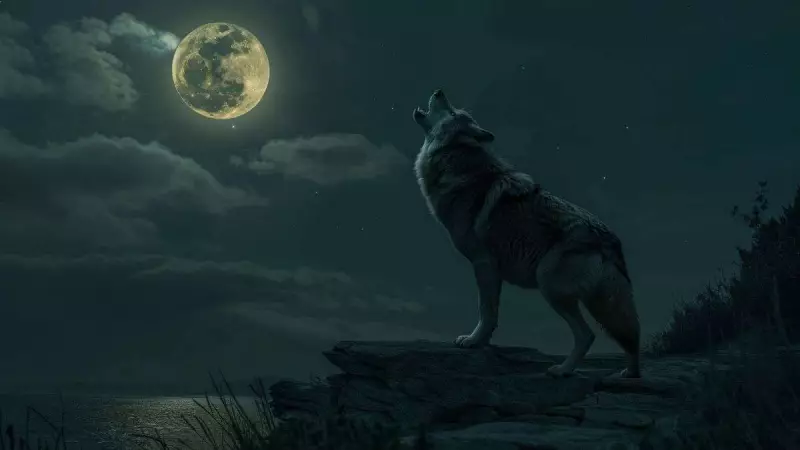
The origin of the name "Wolf Moon" is both evocative and straightforward. It is widely believed that the name was coined because of the increased frequency of wolf howls heard during the cold, deep snows of January. In the heart of winter, when food was scarce, wolf packs would often howl more prominently outside villages and camps.
This haunting sound echoing through the silent, frost-laden forests became synonymous with the January full moon. It's crucial to note that the howling was not linked to hunger directed at humans, but rather to intra-pack communication, territory marking, and social bonding during the breeding season. The name perfectly captures the essence of a harsh winter landscape and its inhabitants.
It's fascinating to learn that not all tribes used the same name. According to sources like the Old Farmer's Almanac, some Algonquin tribes referred to this moon as the 'Cold Moon' or the 'Frost Exploding Moon', which are equally descriptive of the January climate in North America. The Wolf Moon, however, remains the most widely recognized and poetic title.
Beyond the Wolf: Other Traditional Full Moon Names
The Wolf Moon is just the beginning of a yearly cycle of named full moons. Each month brings a new title, creating a poetic almanac of the passing year. These names offer a glimpse into the lives and environments of the people who created them.
Here is a look at some of the other traditional full moon names used by Native American and colonial cultures:
- February: Snow Moon (due to typically heavy snowfall).
- March: Worm Moon (signaling the earth softening and earthworms reappearing).
- April: Pink Moon (named after early-blooming wildflowers, not the moon's color).
- May: Flower Moon (for the abundant blossoms).
- June: Strawberry Moon (marking the short harvest season for strawberries).
This system of naming provided a practical and spiritual connection to nature's rhythms, long before modern calendars were commonplace.
Observing the Wolf Moon in 2026
For enthusiasts in India, observing the Wolf Moon requires no special equipment. On the night of January 3, 2026, simply look east after sunset. The moon will rise, appearing full and bright to the naked eye. The best viewing experience is away from the intense light pollution of major cities.
While the name originates from North American traditions, the phenomenon of the full moon is universal. Observing it connects us to a practice where humanity, across different continents, looked up at the same moon and wove stories around its light. The Wolf Moon of 2026 is an invitation to partake in that timeless tradition, to appreciate the celestial clockwork, and to remember the deep connection between our cultures and the cosmos.

In conclusion, the Wolf Moon of 2026 is more than an astronomical event; it is a cultural artifact. Its name, born from the haunting howls in winter forests, reminds us of a time when human life was intimately tied to the signs of nature. As you gaze at the first full moon of the year, you are witnessing a page from an ancient almanac, a story written in light across the night sky.