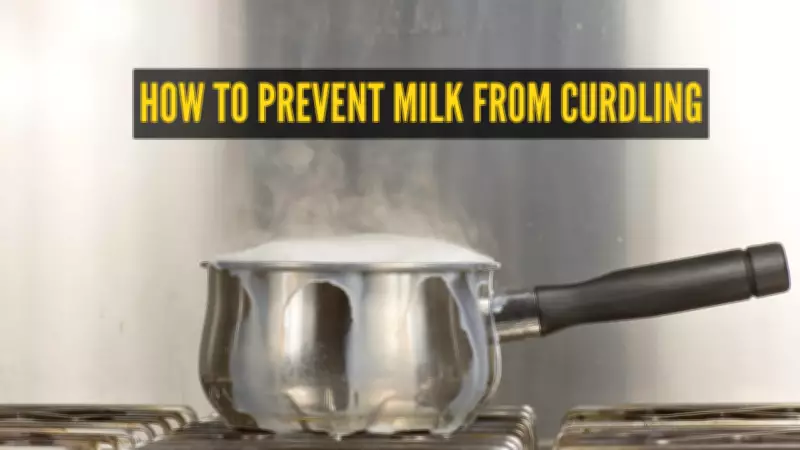
5 Traditional Methods to Prevent Milk from Curdling in Summer Heat
Boiling milk may seem straightforward, but during the sweltering summer months, it becomes a critical task to prevent spoilage and curdling. As temperatures soar, milk becomes increasingly vulnerable to bacterial growth, which can rapidly turn it sour and cause it to curdle if not handled with care. Science explains that heat accelerates this process, making traditional wisdom invaluable. Here are five proven ways to safeguard your milk from curdling in the summer.
Boil Milk Properly and at the Right Time
The foundational step is to boil milk immediately after bringing it home. This process eliminates bacteria that may have developed during transportation. In summer, it is advisable to boil milk twice daily: once in the morning and once in the evening. Ensure you refrigerate the milk as soon as it cools down to room temperature to maintain freshness.
Refrigerate Immediately After Cooling
Following the first tip, prompt refrigeration is essential. Leaving milk out in warm conditions can lead to rapid fermentation. During summer, store milk in the coldest part of the refrigerator, avoiding the door where temperature fluctuations are common, to minimize the risk of spoilage.

Use Clean and Dry Utensils
Milk is a highly perishable product that demands meticulous handling, especially in summer when it is more sensitive. Contamination risks are high and can cause curdling. Always use clean and dry vessels for storing and handling milk. Even minor residue or moisture in containers can introduce bacteria. For boiling, stainless steel containers are recommended due to their ease of cleaning and maintenance.
Utilize Baking Soda
This traditional hack helps slow down curdling by adding a tiny pinch of baking soda to the milk. Scientifically, it neutralizes acidity and can slightly extend the milk's shelf life. However, use caution, as excessive baking soda may alter the milk's original taste.
Be Careful with Temperature Changes
Handle milk with care during boiling and refrigeration to avoid sudden temperature shifts. Rapid changes in and out of the refrigerator encourage bacterial growth. Store milk in smaller portions to only remove what is needed. When boiling, maintain a consistent temperature; fluctuating the flame can disrupt the boiling process and increase the risk of later spoilage.